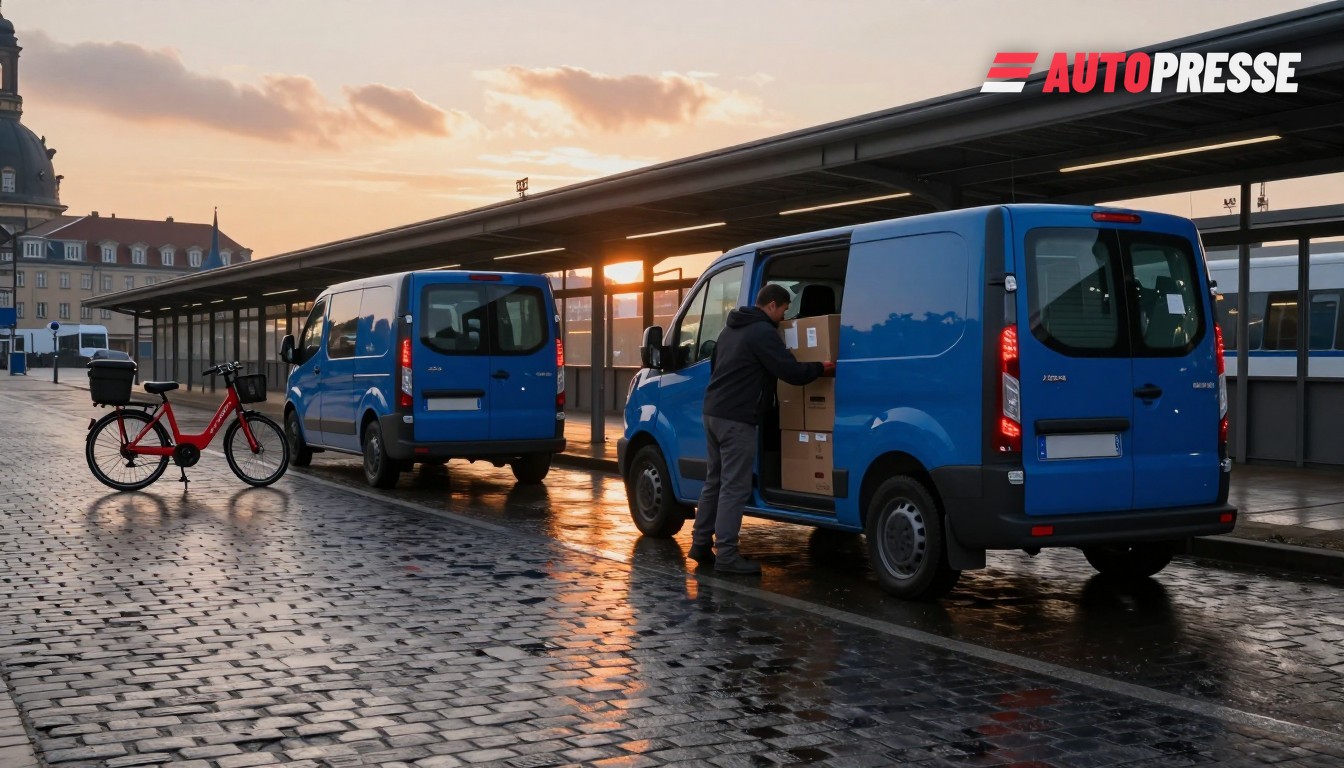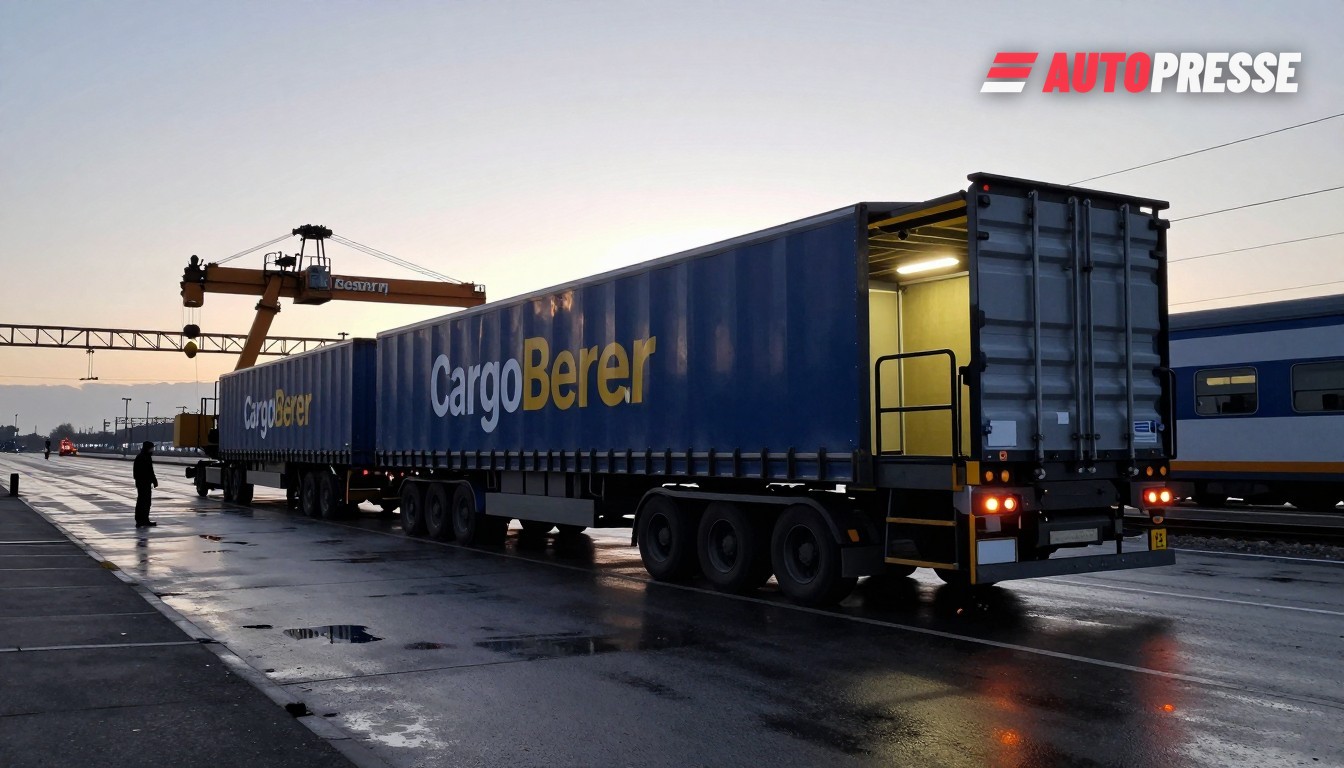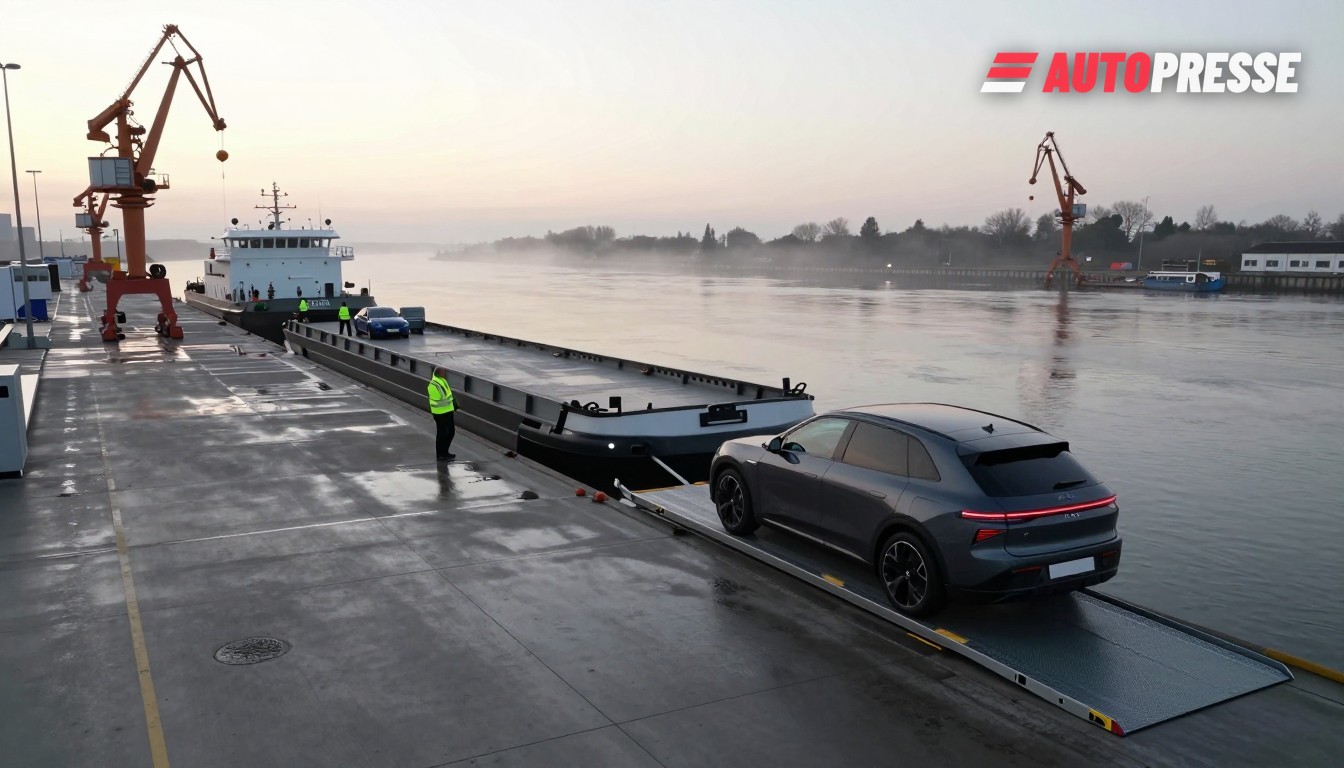
Germany and Austria are quietly re‑routing a growing share of vehicle flows off roads and onto rivers: inland roll‑on/roll‑off (Ro‑Ro) barges and short sea links are being used more often to move new cars from North Sea ports into the Danube and Rhine catchments. For drivers, dealers and fleet managers this reroute means fewer late deliveries, lower damage risk and a visible effort to cut lorry traffic through urban centres — but it also exposes logistics chains to river‑level volatility and capacity limits.
Rivers moving vehicles — faster than you think
Industry reporting and terminal operators describe a steady rise in inland Ro‑Ro services through 2026. BLG and other German auto‑terminal operators emphasise inland links and dedicated barge services as part of an integrated auto‑transport network; Bremerhaven’s specialised auto handling remains one of Europe’s largest hubs (terminal space measured in tens of thousands of parking slots and roughly two million cars handled annually at peak operations). Recent sector coverage by the Association of European Vehicle Logistics (ECG) (October 2026) highlights barge operations on the Rhine and Danube that can load up to 500 vehicles in an eight‑hour turn and serve as reliable feeders between sea ports and inland distribution compounds.
Operators point to several practical benefits: inland barges reduce congestion at hinterland truck gates, lower damage exposure (vehicles stay on rolling decks rather than being rehandled by road carriers) and sidestep some driving‑time and weekend restrictions that hit long‑haul trucking. ECG’s October 2026 analysis also flagged that inland shipping is increasingly attractive to OEMs and importers as a lower‑emission, high‑capacity supplement to road and rail links.
Limits and new stresses — low water, skilled crews and slot squeeze
But inland waterways are not a universal fix. ECG and sector reporting document two structural constraints that bite German and Austrian fleets: historically low Rhine water levels in August 2026 forced payload cuts and schedule adjustments, and skilled barge crews remain scarce. Terminal operators are therefore balancing investments in barge and Ro‑Ro capacity with contingency plans that still depend on road and rail for peak periods.
What this means for the market
For dealers and fleets in Germany and Austria, the slow but measurable shift to inland Ro‑Ro means a modest improvement in delivery predictability and a reduced reliance on scarce long‑haul truck slots — provided ports and barge operators can manage water‑level risk. OEMs and importers should expect narrower windows for handover at inland compounds and may need to renegotiate lead times and penalties accordingly. For logistics employers, the move creates demand for river‑shipping skills and barge handling crews even as it eases pressure on truck driver recruitment.
Policymakers and regional planners should note the trade‑off: inland shipping lowers road externalities but requires investment in quayside handling, river maintenance and crew training to be resilient against climate‑driven water‑level swings. In short, rivers are becoming a strategic third lane in Central Europe’s vehicle logistics — complementary to ports, rail and road, but not a substitute.
WorldTrader24 B2B vehicle marketplace for dealers →
Sources: ECG Magazine No13 (Oct 6, 2026), BLG Logistics (Financial Report 2024), Bremen/Bremerhaven auto‑terminal briefings, Eurogate NTB announcement (Feb 13, 2026)