Germany and Austria are entering the 2026 peak parcel season under pressure: carriers across both countries are adding staff and delivery rounds, rolling out more parcel‑locker capacity and enforcing peak surcharges — moves that will shape costs and delivery reliability for private buyers, dealers and aftersales operations alike.
Scale: more parcels, tighter networks
Germany’s parcel market remains huge — roughly 3.8 billion parcels were sent in the most recent nationwide survey period — and carriers expect daily volumes to spike again through November and December.
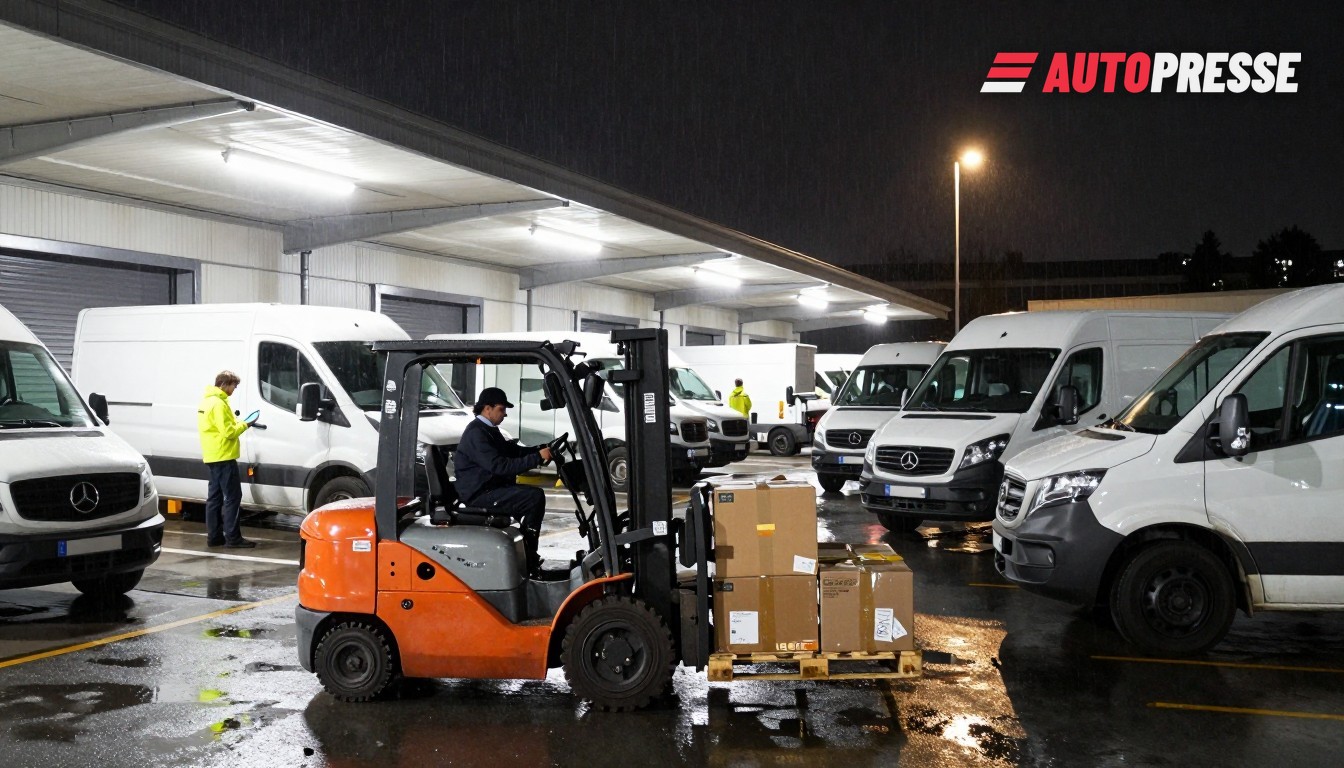
Logistics analysts say companies such as DHL, Hermes, DPD and GLS are preparing for potentially record daily peaks by expanding temporary staff, adding delivery rounds and tweaking depot schedules. CEP Research reported carriers gearing up in early November 2026 amid uncertain consumer demand and tighter labour availability.
Austria: capacity and investment
Austrian Post’s parcel business has continued to grow: in H1 2026 the company reported parcel volumes up by about 9% year‑on‑year and emphasised investments to expand e‑commerce fulfilment and parcel‑locker networks across Austria and CEE. Austrian Post has flagged a 2026 capex envelope of roughly €140–160 million for logistics modernisation, including Salzburg and Vienna upgrades.
Separately, the opening of a large Vienna‑Inzersdorf parcel logistics centre was reported as a major capacity upgrade; industry sources place the investment at around €70 million and say the site will act as a national hub for peak handling.
Price signals and customer pain
Carriers are sending clear price signals to business customers. Deutsche Post/DHL has published a peak surcharge regime for November–December 2026 — a standard peak surcharge of €0.19 per parcel for many business customers, with a higher "peak‑in‑peak" surcharge of €0.50 during the most congested days (for 2026 the tight window includes 23 November–6 December). These surcharges and service‑level notices will raise fulfilment costs for online retailers, OEM parts distribution and dealer logistics that rely on parcel networks for small shipments.
What this means for the market
For dealers and parts hubs: expect higher per‑parcel costs for small, urgent parts shipments and longer lead times for consumer deliveries during peak windows. Firms that can consolidate consignments, use palletised overnight couriers or shift to local pickup points will reduce exposure to peak surcharges and failed‑delivery costs. For carriers: investments in locker networks, depot automation and temporary labour will blunt worst delays but add short‑term operating expense. For consumers: earlier ordering and use of parcel shops/lockers will reduce failed deliveries and return frictions.
Regulators and trade bodies are watching: persistent delivery complaints and greater use of surcharges are likely to draw attention from consumer protection agencies and business associations if service levels slip. For cross‑border trade, Austria’s hub investments and Germany’s large national networks mean central European e‑commerce flows will still rely heavily on German‑Austrian trunking during peak weeks.
WorldTrader24 B2B-Fahrzeugmarkt für Händler →
Sources: CEP Research, Austrian Post H1 2026 report, Deutsche Post/DHL peak surcharge notices, Bundesnetzagentur parcel market report.