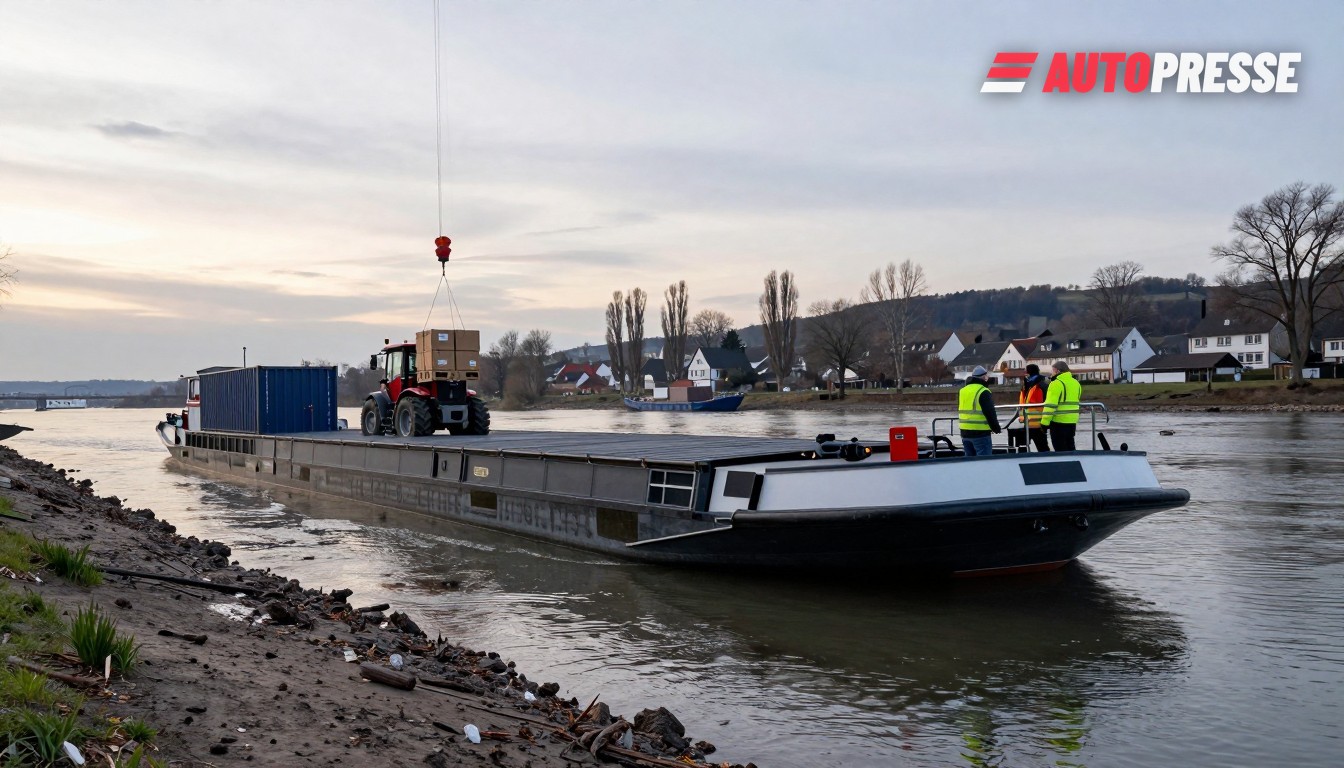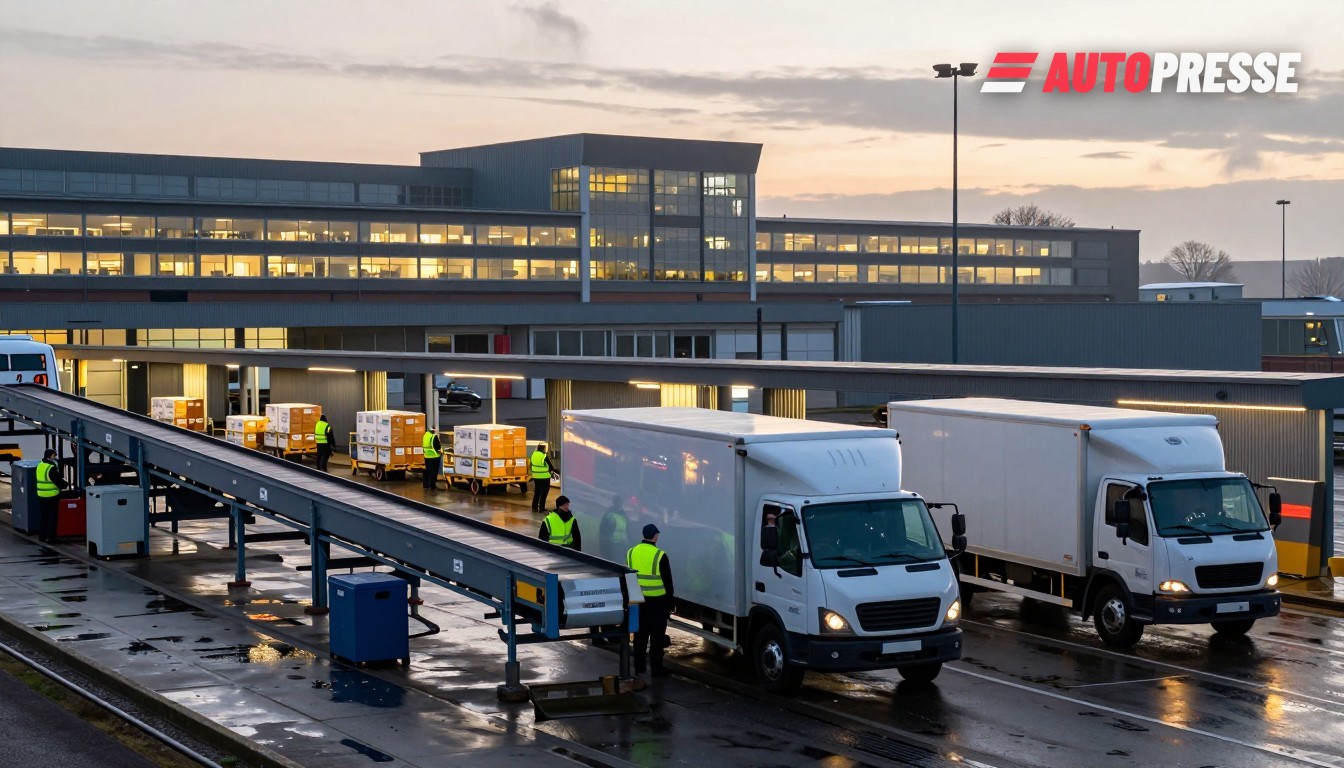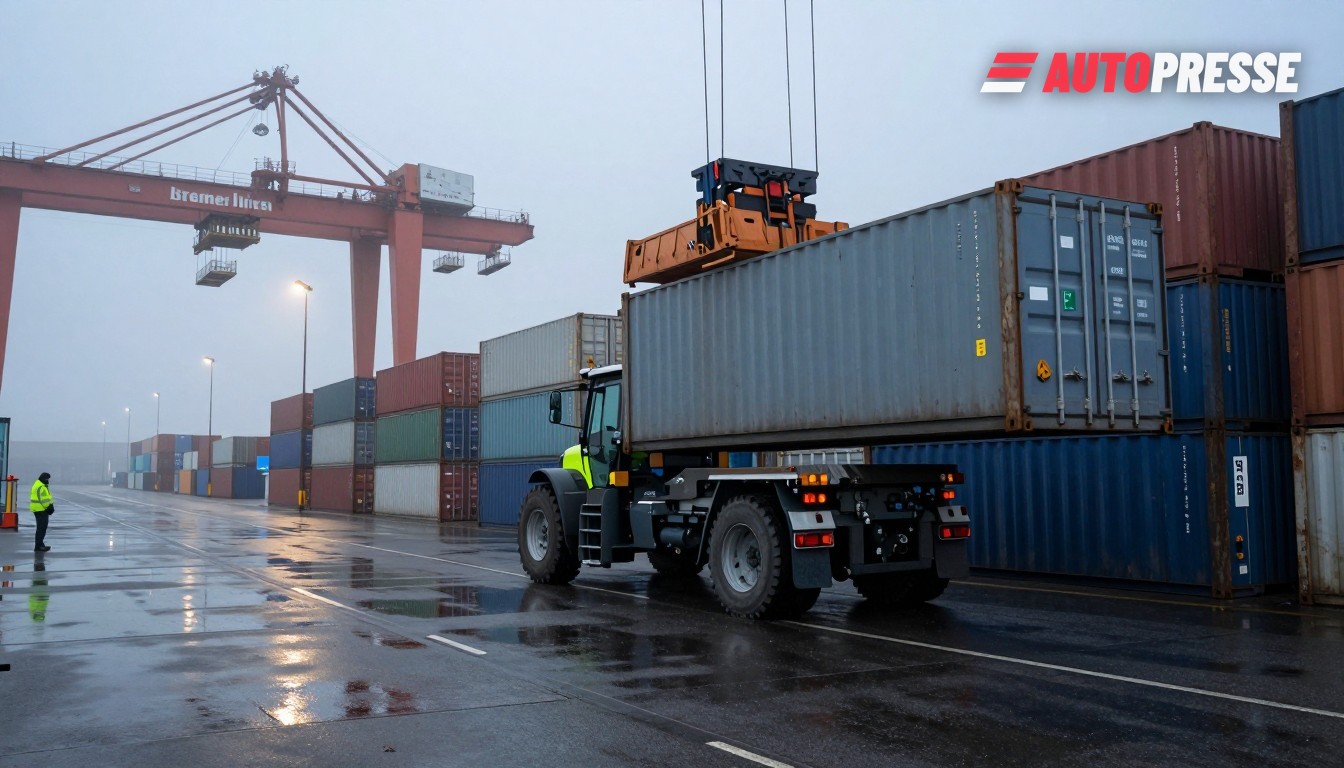
Germany and Austria are quietly reorganising how cars, parts and heavy freight move across Europe — and the change matters to drivers, dealers and plant managers. An OECD study says Germany is well placed to act as IMEC’s European distribution spine; Austria has published a 100‑measure logistics hub strategy (12 June 2026) to build resilience and skills; and manufacturers are beginning small hydrogen‑truck deployments in Germany from the end of 2026. Together these shifts alter lead times, cross‑border flows and the hardware logistics firms need to buy and site.
IMEC: a new spine for DE‑AT logistics
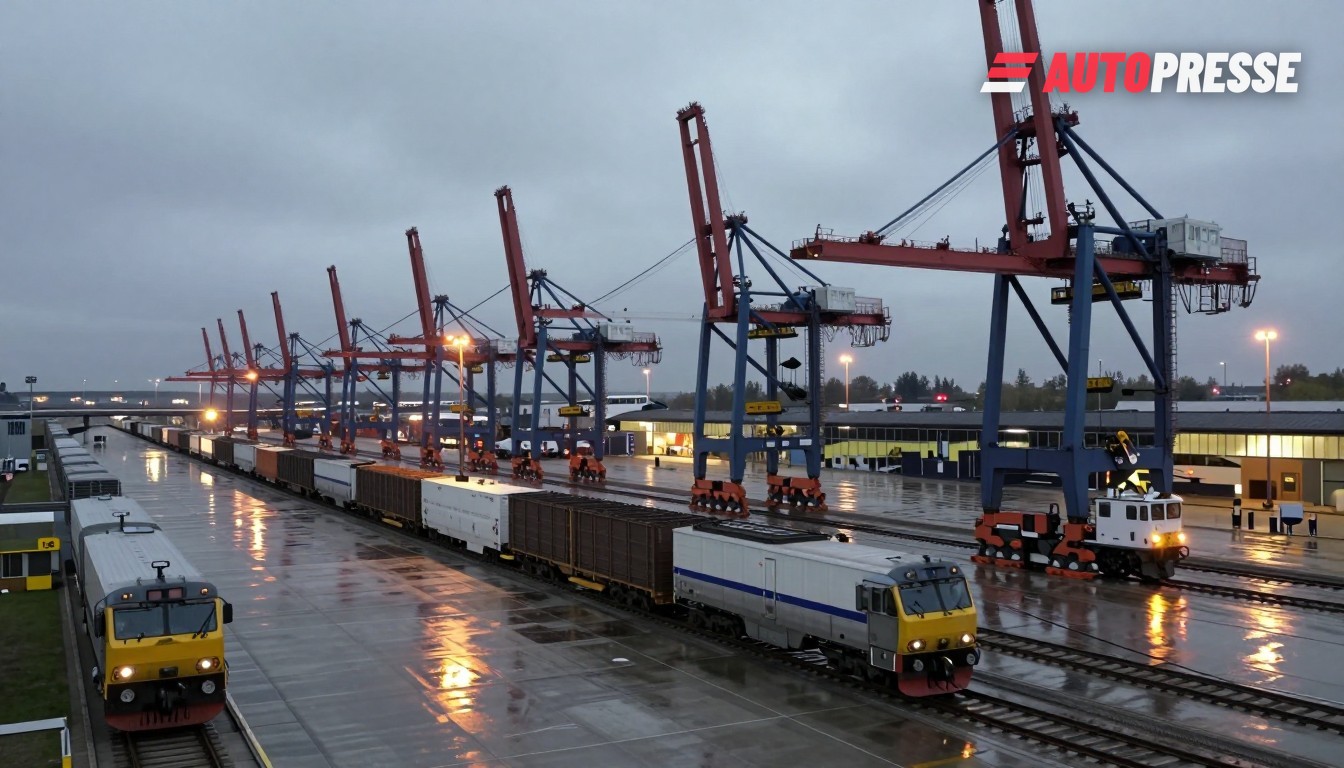
The OECD’s 2026 report “Measuring Connectivity across the India‑Middle East‑Europe Corridor (IMEC)” finds IMEC benefits from strong maritime links and growing logistics infrastructure — and notes Germany’s mature digital customs systems (ATLAS, the Customs Portal and EU transit systems) make it a logical European hub for corridor traffic. The report argues the next step is practical cross‑border data sharing and compatible digital documentation with non‑EU partners to translate that potential into faster, more reliable trade. For German and Austrian automotive logistics this means more throughput opportunities — but also the need to adapt IT, Trusted Trader arrangements and inland handling capacity.
Austria’s hub strategy and hydrogen trials
On 12 June 2026 Austria’s Federal Ministry set out a new logistics hub strategy built from 1,300 industry proposals and “100 priority measure proposals,” targeting skills, digitisation and resilience. The ministry highlighted the sector’s scale — around €18.7 billion in gross value added and more than 233,000 people directly employed — and listed concrete measures from modernising training to expanding social infrastructure for lorry drivers and machine‑readable records of driving bans. Those measures are explicitly aimed at keeping the country competitive as a trans‑Alpine corridor and a regional spare‑parts node.
At the same time vehicle‑side logistics are preparing for new truck technologies. Daimler Truck (Mercedes‑Benz Trucks) says a small series of about 100 NextGenH2 fuel‑cell trucks will enter customer operation from the end of 2026, with logistics provider Dachser to deploy the first vehicle in daily long‑haul service from December 2026. That pilot timetable confirms hydrogen long‑haul is moving from lab to networked trials — with immediate implications for depot layout, refuelling access and cross‑border authorisations.
What this means for the market
Volume managers at OEMs, tier‑1s and logistics firms should budget now for three investments: interoperable digital customs and warehouse IT to exploit IMEC linkages; upgraded yard and depot infrastructure to handle new fuel and battery technologies; and expanded workforce training and driver facilities aligned with Austria’s measures. For dealers and parts distributors, faster IMEC flows could lower lead times for imported components but will increase exposure to upstream shocks unless companies use trusted‑trader or pre‑arrival data-sharing agreements. For employees and drivers, the Austrian strategy’s emphasis on training and social infrastructure points to new hiring and up‑skilling programmes in 2027 and beyond.
WorldTrader24 B2B vehicle marketplace for dealers →
Sources: OECD, Federal Ministry BMIMI (Austria), Statistics Austria, Daimler Truck AG