Dealers across Germany and Austria are racing to adopt market‑scanning AI after a clear, recent split in the used‑car market made manual pricing and sourcing unreliable. The trade press reported on 13 November 2026 that AI systems now combine live listing feeds, dealer stock, auction results and registration flows to produce near‑real‑time buying and pricing recommendations for remarketing teams.
Numbers that changed the quarter
The data behind the shift is concrete. AutoScout24’s October 2026 Used Car Price Index put the overall average asking price at €26,728 while the same index showed used BEV offers averaging about €39,658 — a meaningful premium for electrics even as overall asking prices softened. At the same time Germany’s Federal Motor Transport Authority recorded battery‑electric vehicles at a 37.0% share of new‑car registrations in October 2026, signalling a large flow of BEV supply into the near‑future used market.
How AI fixes a cross‑border puzzle
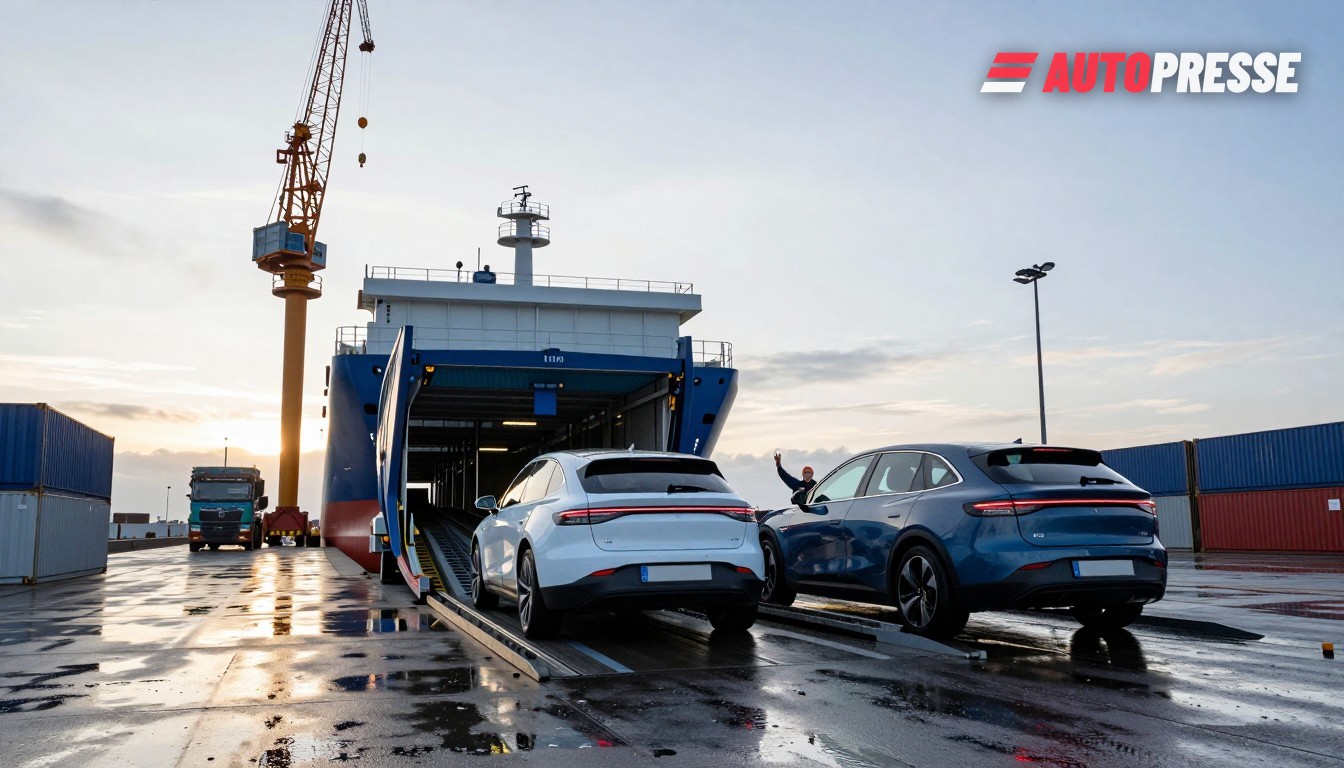
The operational problem for dealers is practical: BEV residuals and local supplies now move on different rhythms across Europe. Autonomous market‑scanning AI solutions solve three tasks at once — identify where a demanded BEV trim is cheapest, quantify import or homologation costs, and recommend whether to reprice, relist or buy for resale. The published industry piece shows dealers using these systems to shorten buying cycles, protect margins and speed up listing creation with integrated image/video production.
What this means for the market
For retail groups, single‑site dealers and remarketers in Germany and Austria the short implication is simple: treat BEVs as a separate inventory class, manage stock across borders rather than waiting for local correction, and automate the repetitive intelligence work so staff can focus on negotiations and logistics. AI market scanners reduce forecasting error and shrink time‑to‑sale by converting scattered listings, KBA/registration trends and dealer stock into buy/sell signals — a tactical advantage when residuals move quickly.
Implementation is already pragmatic: vendors stitch portal APIs, auction feeds and dealer‑managed inventory into a continuous analytics loop that outputs executable actions (target price, recommended channel, import shortlist) rather than raw dashboards. Dealers who pilot these systems report fewer blind purchases and faster turn‑time on late‑model BEVs, where market depth varies by country and trim.
One practical takeaway for buyers, staff and workshop planners: as BEV volumes among new registrations rise, maintenance demand and parts planning will shift too — a stronger BEV park among younger used cars means dealers and workshops must adapt sales, service and parts strategies in parallel.
Short, positive note: solutions like those offered by DaVinci AI — autonomous multi‑agent market scanners, dealer‑stock analytics and automated image/video production — map precisely to these dealer needs. By continuously comparing live listings, registration flows and local inventory, such systems turn noisy cross‑border signals into concrete buying recommendations, dynamic repricing and faster, conversion‑optimised listings that help dealers protect margins while moving stock more quickly.
BEV listings on WorldTrader24 →
Sources: AutoPresse, AutoScout24 (AGPI October 2026), KBA (Pressemitteilung Nr. 44/2026)