Austria has been quiet on headline-making gigafactories — but in the last weeks the country’s research institutes, engineering firms and waste‑management bodies have accelerated practical work on battery dismantling, fire safety and material recovery. That matters for German and Austrian drivers, dealers and suppliers because safer collection, automated dismantling and improved recycling capacity will keep more critical metals in Europe, reduce fire risk for municipal waste systems and affect the supply of secondary lithium, nickel and cobalt for manufacturers across both countries.
What’s new in Austria (and why it’s verifiable)
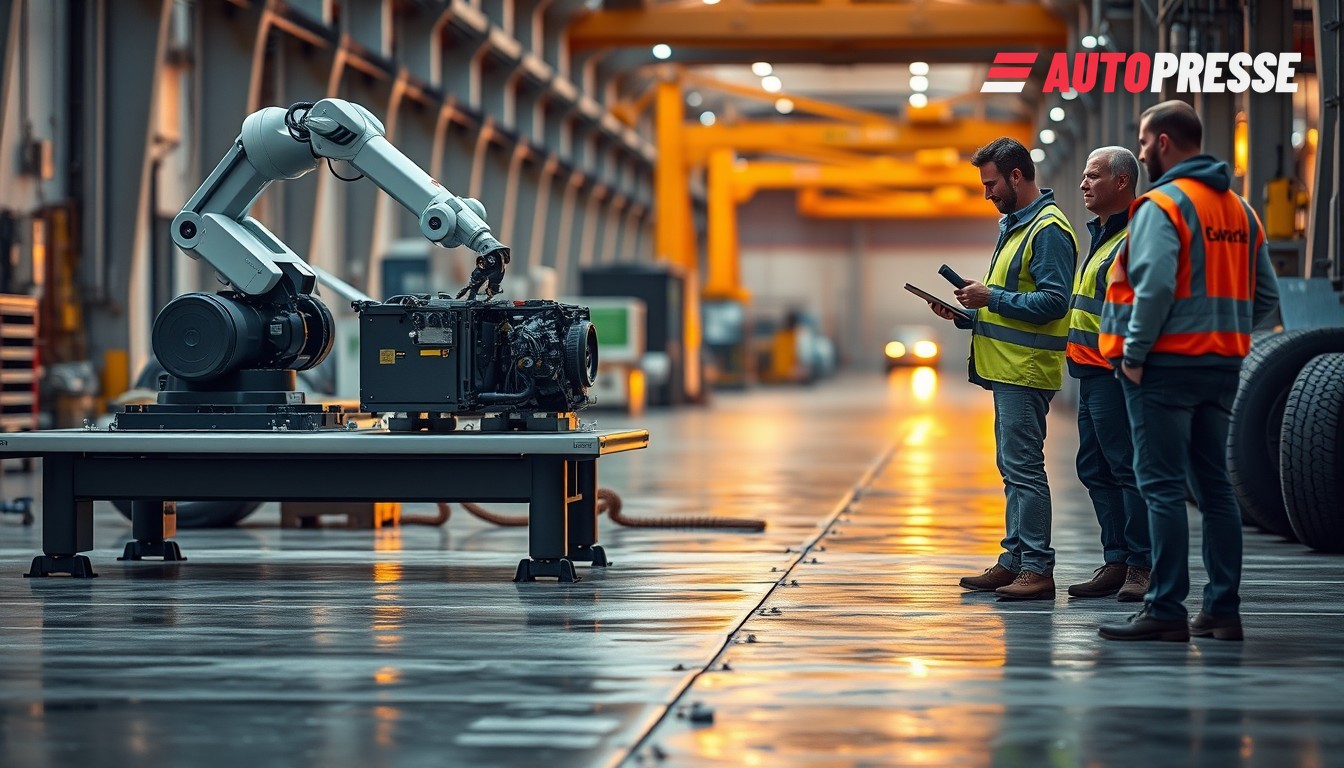
Two developments underline the shift from policy to operations. First, the „BattBox“ dismantling concept — led by the Austrian plant‑engineering firm FILL together with partners including AVL and Graz University of Technology — has published practical results for automated, modular battery dismantling and assessment methods that make non‑destructive separation and second‑life options more realistic. The project, funded under Austria’s Circular Economy FTI programme, shows automated vision and handling can reduce manual risk and improve material quality for downstream hydrometallurgical recycling. (Source: project summary and academic paper co‑authored by Fill and TU Graz.)
Second, safety and collection are being pushed by national coordinators and industry. Elektroaltgeräte Koordinierungsstelle Austria (EAK) and municipal waste associations have highlighted the scale of the problem — studies quoted by Austrian authorities show many millions of small lithium batteries still enter the residual waste stream, creating rising fire risks in collection and sorting. That concern has driven public campaigns and the first Austrian LiBaProtect safety forum (battery safety forum) announced for early November to focus on storage, transport and treatment standards for lithium batteries. These actions follow a year of research and pilot work at Montanuniversität Leoben and other Austrian centres on recovery of so‑called ‘‘black mass’’ and safer pre‑treatment for shredding and hydrometallurgical extraction. (Sources: EAK press materials; Montanuniversität Leoben reporting; LiBaProtect forum announcement.)