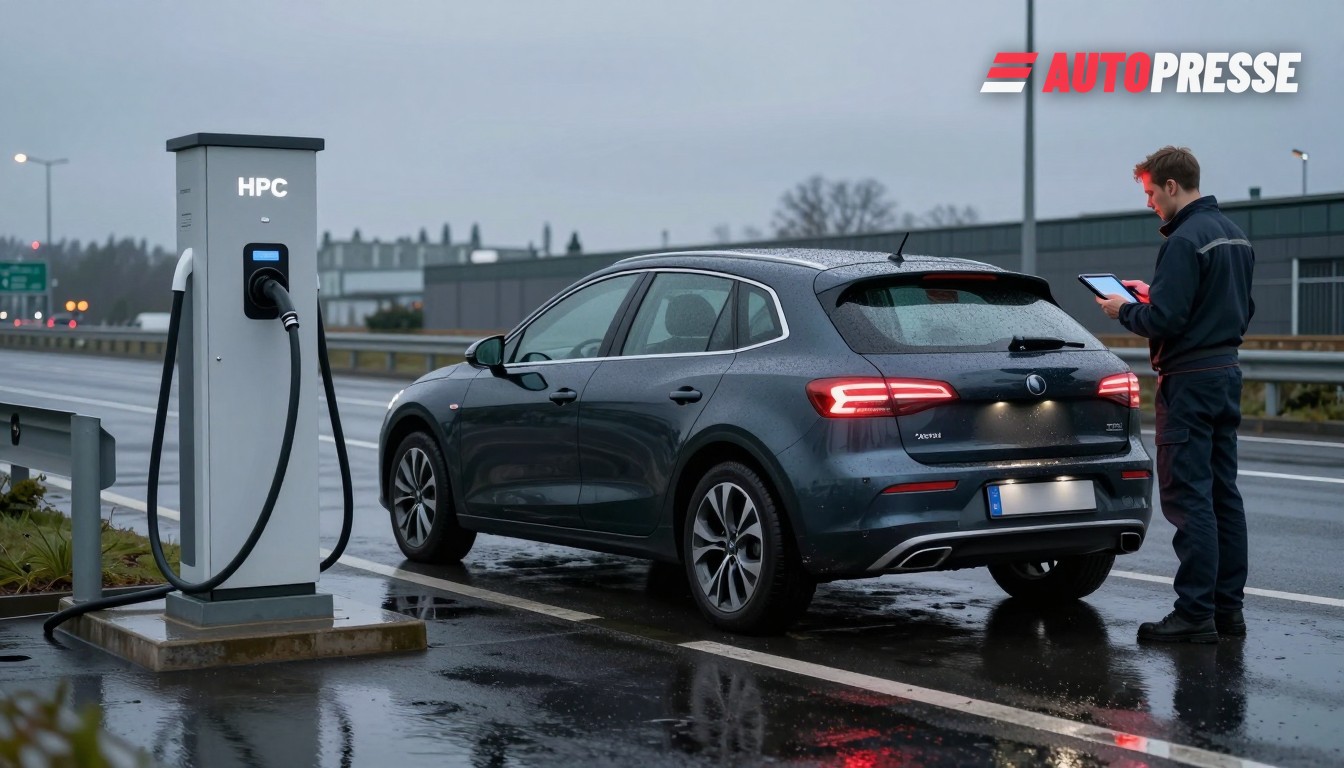
Germany and Austria’s research centres and test houses have published a string of advances this year that move battery tech beyond incremental gains: Fraunhofer researchers say electrode changes can raise cell energy density by 10–15%, while Austrian developer AVL and partners are publishing new test and cooling approaches aimed at stopping thermal propagation in next‑generation cells. For drivers, dealers and OEMs this matters as more energy per kilo and safer thermal control can mean longer real‑world range, faster sustained DC charging and smaller packs for the same range — with knock‑on effects for cost, logistics and recycling.
Lab results: more energy from the same weight
On 9 September 2026 Fraunhofer ISE published results showing that modifications to electrode structure enabled cells to store roughly 10–15% more energy at the same weight, a gain the institute says could lower the barrier for local cell makers and support smaller‑scale production in Germany. The institute presented methods that change electrode microstructure to increase usable capacity without larger cell footprints.
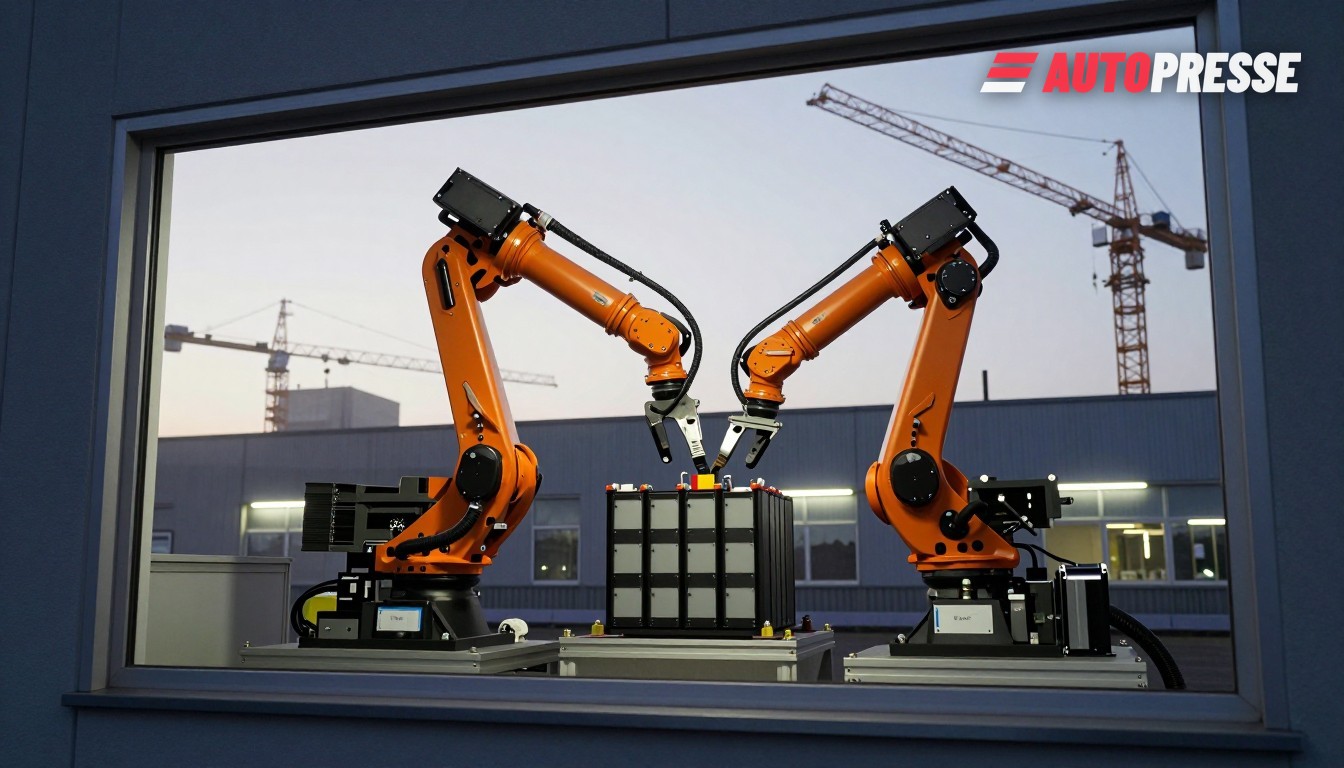
Complementary diagnostics are arriving in German labs: Fraunhofer EMI published new work in August 2026 demonstrating X‑ray techniques that image batteries under mechanical and thermal stress to reveal how material ejection and propagation evolve in multi‑cell assemblies. EMI says the method has already been used with German OEMs to characterise failure modes and to refine pack‑level safety designs.
Austria: cooling, test rigs and solid‑state safety
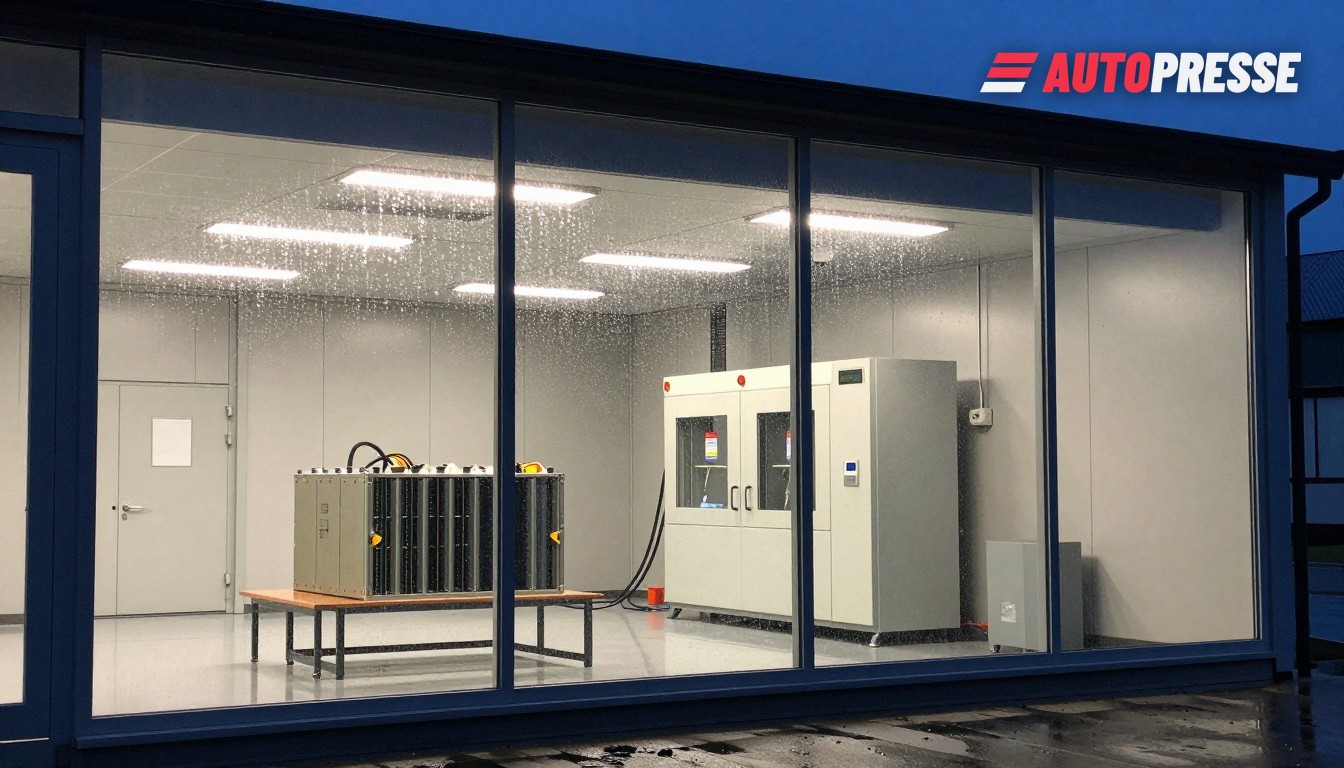
In Graz AVL List has pushed practical safety and cooling tests into the spotlight. On 12 May 2026 AVL and Blue Solutions announced a joint safety programme to evaluate next‑generation (including solid‑state) cells and their behaviour at pack and system level — focusing on pressure management, mechanical integrity and the prevention of thermal propagation. AVL’s recent technical material on direct‑cooling approaches underlines the company’s work on active liquid and direct cooling strategies for high‑power packs.
Alongside major test houses, German research spin‑outs aim to reshape thermal hardware: Fraunhofer IPM reported in May 2026 that founders from its labs launched Qurie GmbH to commercialise electrocaloric cooling concepts that promise compact, high‑efficiency heat transport for electronics and battery systems — a potential alternative to conventional liquid loops in some applications.
What this means for the market
Taken together the announcements show two linked trends in Germany and Austria this year: cell‑level chemistry and structure are still delivering step changes in gravimetric energy that could shrink pack volume or extend range without heavier cars, while new diagnostics and cooling technologies aim to reduce the safety margins that currently limit fast‑charge performance. Fraunhofer explicitly notes the potential for small and medium manufacturers to more easily enter European cell production if such gains are industrialised.
For OEMs and suppliers the practical tasks are clear: validate new materials in full‑pack environments, invest in rapid thermal diagnostics and adapt cooling architectures so that higher‑energy cells can accept sustained DC power without throttling. For dealers and fleet managers the nearer‑term benefits likely appear as better range and less rapid‑charge degradation for newer models that adopt these advances — but only after OEMs complete validation and certification cycles driven by safety tests such as those AVL and partners are now running.
Electric car listings on WorldTrader24 →
Sources: Fraunhofer ISE, Fraunhofer EMI, Fraunhofer IPM/Qurie, AVL List, Blue Solutions