Germany and Austria are witnessing a clear second wave of EV investment: public charging stock has grown fast, but drivers still face regional white spots and low utilisation that strain business models and grid connections. For drivers, dealers and suppliers the result is a market split between well‑served corridors and patchy local access that will shape purchases, fleet plans and infrastructure contracts for 2027.
Numbers: more plugs, but not yet the right ones
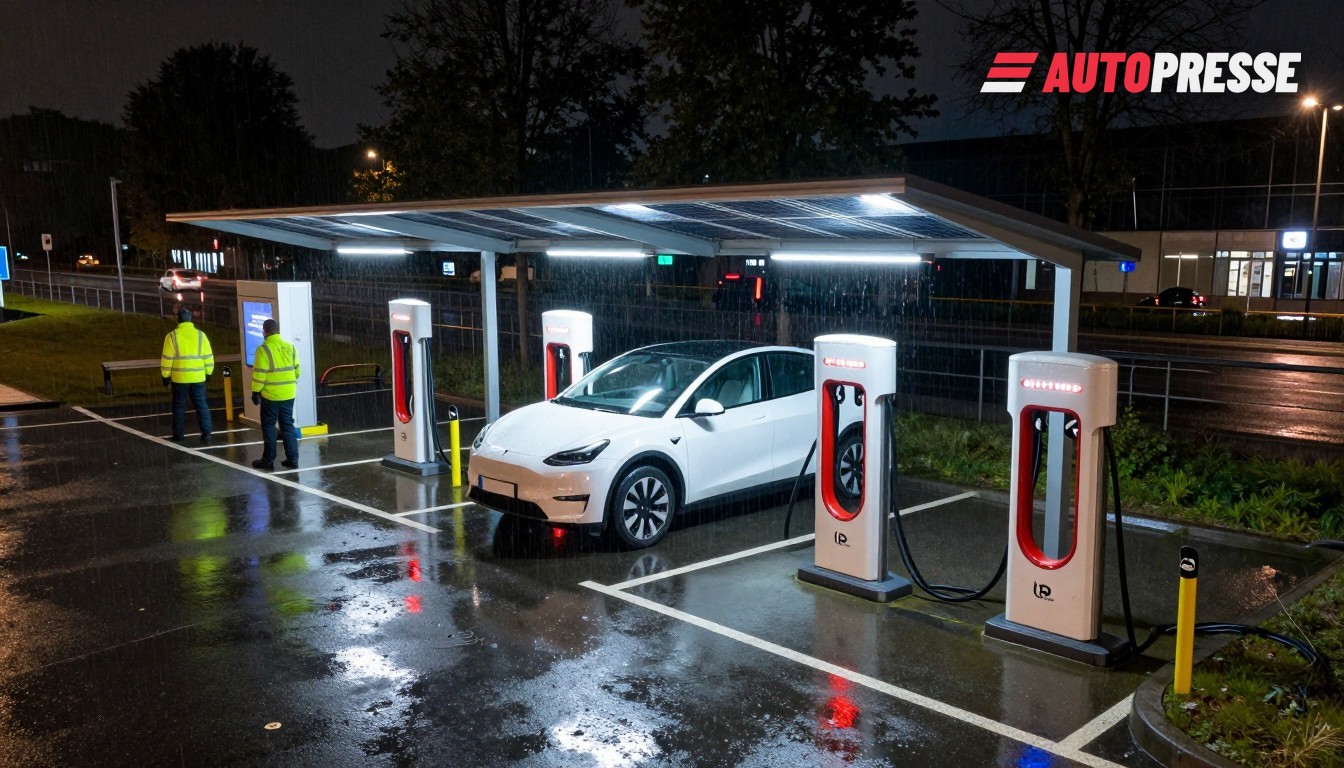
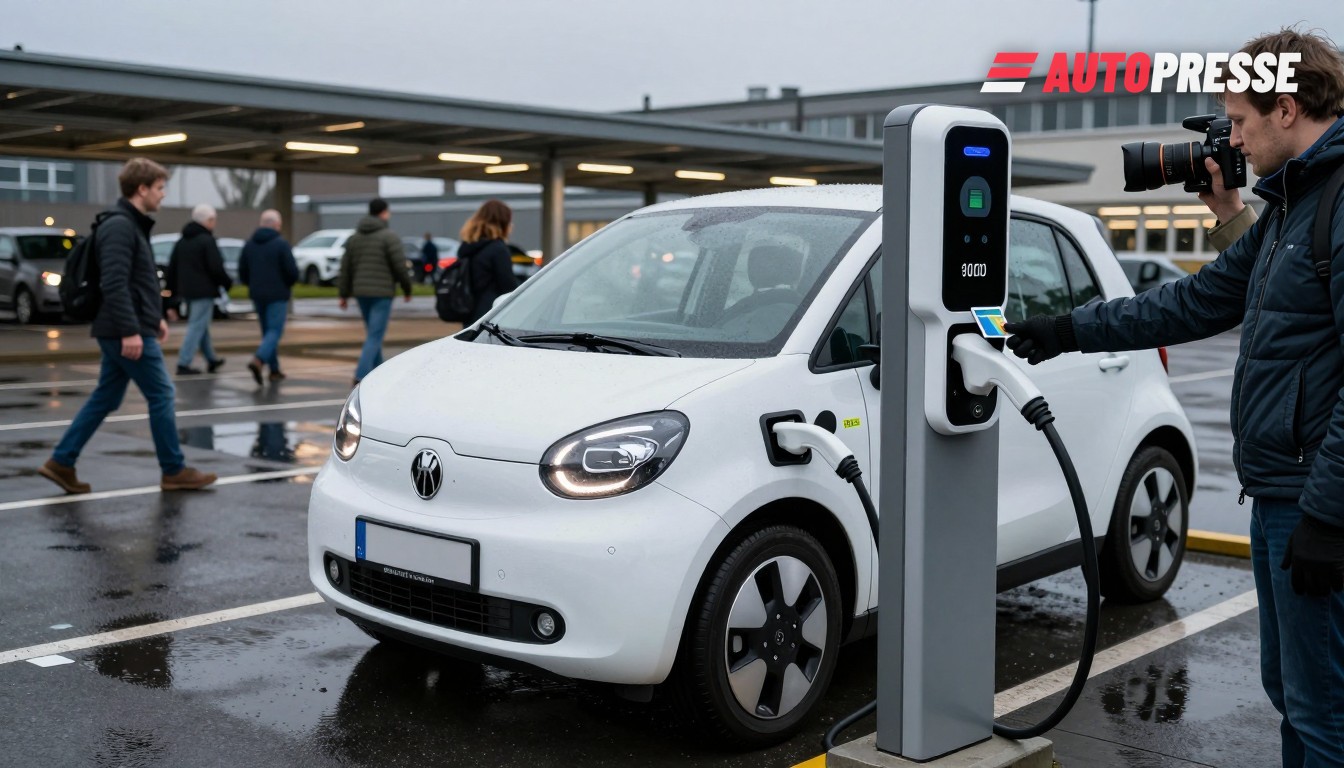
Industry monitors report more than 200,000 publicly accessible charge points in Germany by mid‑2026: the BDEW’s monitor notes over 220,000 publicly reported charging points and found average simultaneous occupancy at about 13% in the first half of 2026, underlining spare capacity at many locations. Independent registers count roughly 209,000 points and 9.1 GW of rated public power as of 1 September 2026. At the same time the VDA’s November 4, 2026 ranking shows growth but a stagnating ratio of charging points to EVs and persistent white spots—especially outside urban centres.
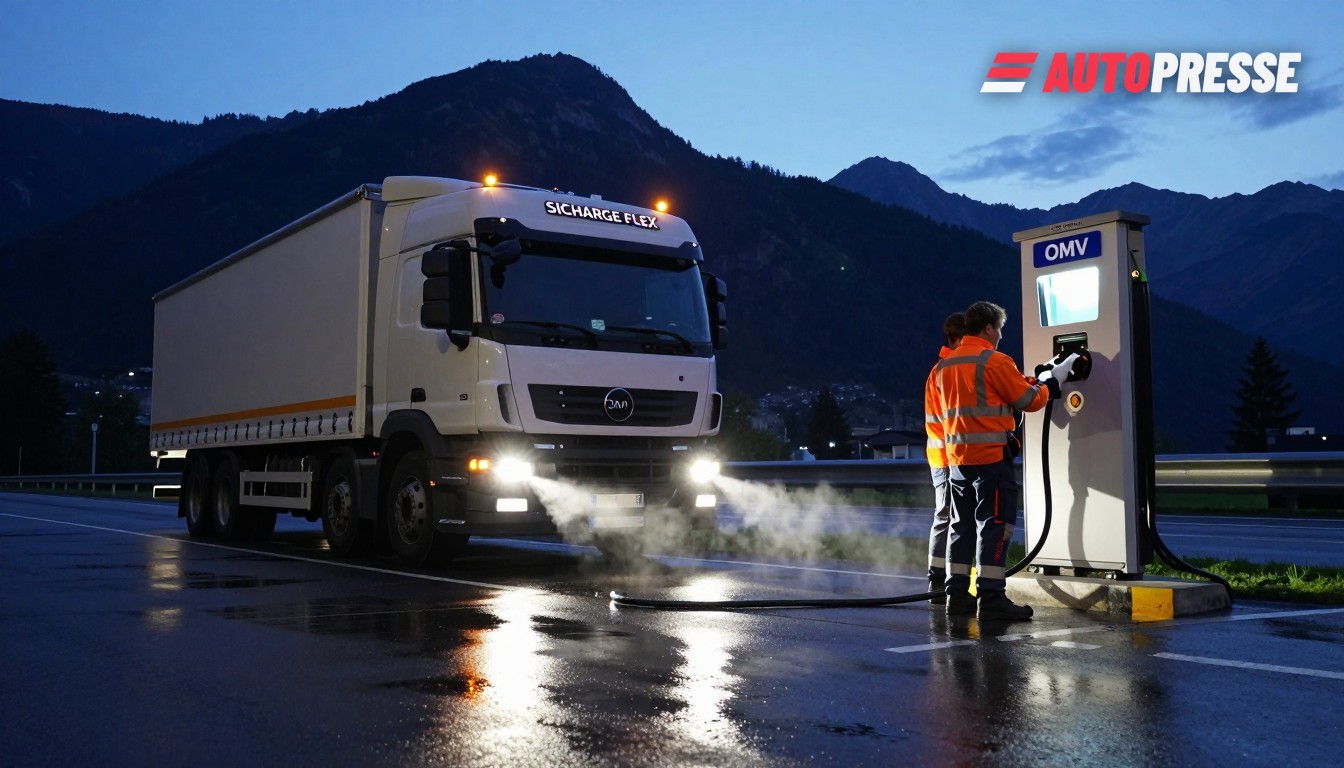
Usage patterns vary: data analytics from ChargePointRadar’s Lademarkt‑Report (Q3/2026) shows that a large network does not guarantee high utilisation — Ionity’s fast sites record more sessions per point than many larger but lower‑power networks, while operators such as EnBW lead on absolute numbers of points. The Germanynetz roll‑out is advancing on the motorways — 100 of an expected ~200 Germanynetz sites are reported complete as of late September 2026 — but operator concentration and site type (AC vs DC, kW per stall) remain decisive for driver experience.
Technology shift: software‑defined vehicles and new supplier alliances
At the same time vehicle architecture is changing rapidly. Volkswagen Group signed a strategic partnership with NXP for zonal controllers and real‑time MCUs on 26 October 2026, signalling faster uptake of software‑defined vehicle (SDV) architectures and more OTA capability across model ranges. Traton announced a group‑wide "One OS" in April 2026 for trucks, and suppliers are forming alliances to deliver the software stacks: Schaeffler and software firm Qorix struck a strategic deal in October 2026 to bring SDV components and software integration to market. Those moves compress hardware lifecycles and raise the importance of secure, standardised vehicle compute and update processes.
What this means for the market
For drivers: expect better infotainment, charging integration and OTA improvements from 2027 models, but also uneven charging access depending on region and operator; fleets will prioritise routes with proven high‑power stops. For operators and grid planners: more fast DC and higher‑power sites will be needed where utilisation is already high, while many low‑use sites may need business model changes — the data shows expanding quantity but still the wrong mix in places. For suppliers and OEMs: SDV rollouts (VW/NXP, Traton One OS) accelerate demand for certified MCUs, zonal controllers and cybersecurity — advantage goes to firms that can supply integrated hardware+software packages. Lastly, regulators and local planners must close white spots and speed grid connections if the November 2026 growth translates into mass consumer confidence.
Electric vehicle listings on WorldTrader24 →
Sources: Verband der Automobilindustrie (VDA), BDEW, ChargePointRadar, Volkswagen Group, Schaeffler