Drivers, dealers and plants across Germany and Austria are feeling the effects of a new industrial phase: large battery R&D and cell factories are moving from pilot to industrial scale while grid‑scale battery systems are being built to stabilise power for fast chargers and fleets. That combination promises jobs, local cell supply and more reliable motorway charging — and it is already under construction on both sides of the border.
Factories: research to gigafactory at industrial scale
In Münster the Fraunhofer 'FFB Fab' has reached a key construction milestone: a topping‑out for the second phase of the site that will include gigafactory‑scale production facilities on more than 20,000 m² and is backed by roughly €1 billion of federal and state funding (about €750m federal, €320m NRW). The centre is designed to bridge lab research and industrial cell production, hosting pilot and near‑series lines for companies and researchers.
Industry moves in parallel: Volkswagen Group’s PowerCo in Salzgitter commissioned its European battery‑cell line and produced the first ‘Unified Cells’ in December 2025, signalling that OEM‑owned cell supply is already live in Germany. Meanwhile Northvolt’s Heide project remains a planned large‑scale factory (60 GWh annual capacity) intended to start production in 2026 and ramp toward full capacity in the coming years.
Grid and charging: big batteries and fast hubs
Grid‑scale batteries are being built to keep pace. Energy developer NGEN has started construction on multiple projects: Uniper/NGEN broke ground on a 50 MW/100 MWh system in Wilhelmshaven, Germany, and NGEN began an 85 MW/170 MWh battery project in Wagenham, Upper Austria — the latter described as the country’s largest system‑critical storage facility. These plants are explicitly sited to provide ancillary services and grid flexibility that support high‑power charging and renewables integration.
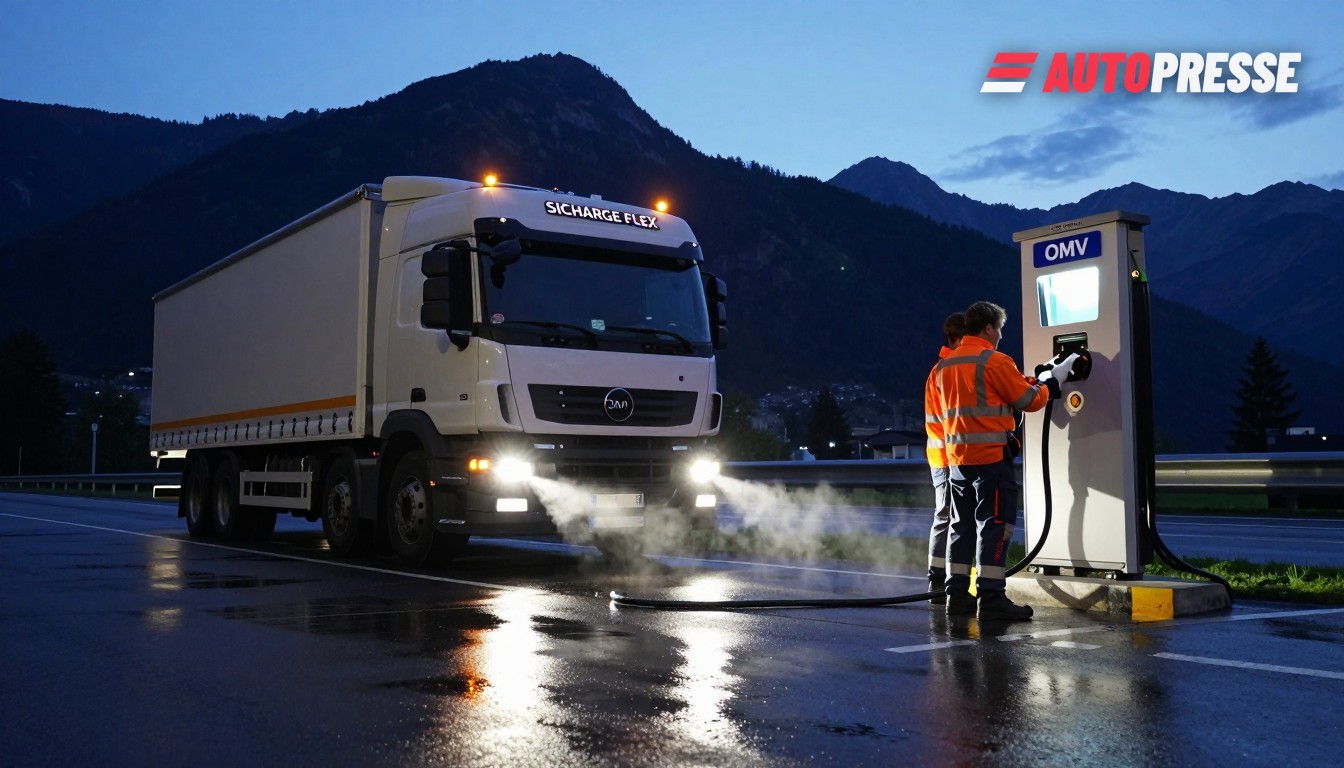
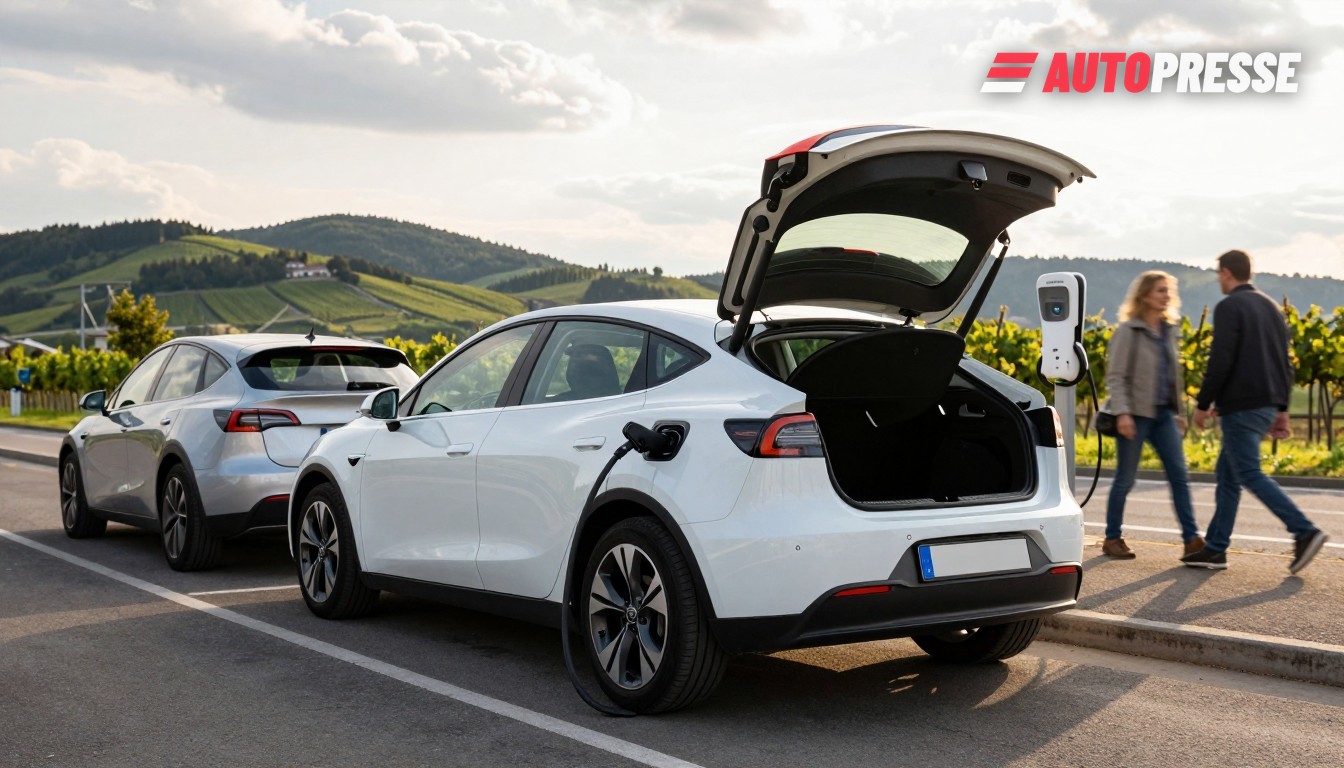
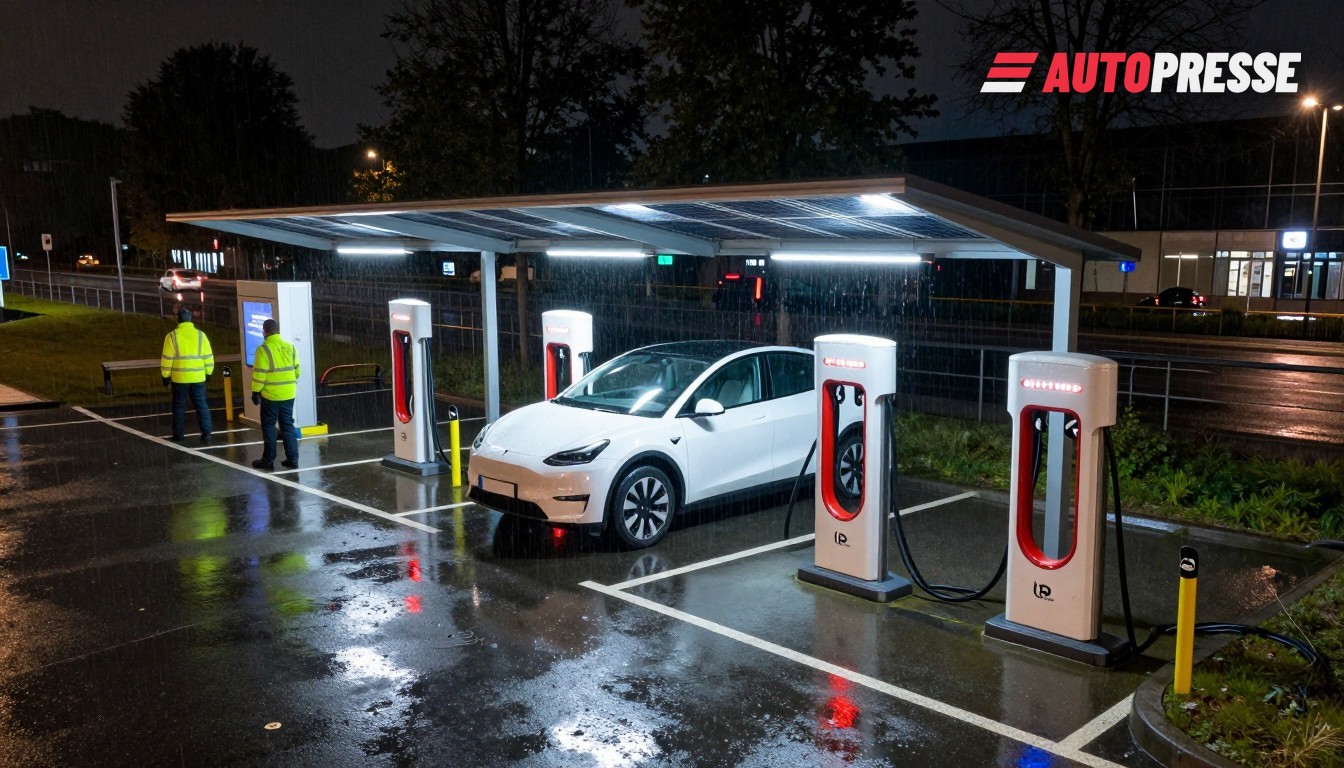
At the same time new fast‑charging hubs are appearing on motorways. Orlen opened a multi‑bay hub near Elmshorn with sixteen 400 kW chargers and an on‑site solar canopy, and the company says it has plans for further roll‑out across Germany (hundreds more points contracted this year). Bus and coach charging is following suit: Daimler Buses Solutions has extended its public charging locations in Cologne and Munich and plans high‑power (up to 600 kW) bays at Hamburg’s ZOB to serve scheduled electric coaches.
In Austria, national road operator ASFiNAG published a public tender on 4 November 2026 for installation and upgrade of e‑charging infrastructure at its motorway sites (autobahn depots, toll stations and operations bases), signalling coordinated public procurement of AC and DC equipment across the network.
What this means for the market
The combined picture is clear: Germany’s push to host both research‑scale and industrial cell capacity (Fraunhofer’s FFB Fab, OEM cell lines, and Northvolt’s planned factory) reduces reliance on imports for cells, while large battery stores and fast‑charging hubs lower grid‑integration barriers for rapid charging growth. NGEN’s storage projects are intended to provide ancillary services and time‑shifted capacity, which operators and fast‑charger owners (for example Orlen) explicitly use to smooth peaks and enable high‑power sites. For fleet operators and municipalities the Daimler Buses roll‑out and Austria’s ASFiNAG tender show electrification planning moving from pilots to permanent infrastructure.
The next six to 24 months will test whether local cell output, storage and charger roll‑out keep pace with vehicle demand — but factories coming online and the large battery projects now under construction are concrete steps toward a more resilient EV ecosystem in Germany and Austria.
WorldTrader24 electric vehicle listings →
Sources: Fraunhofer FFB, Volkswagen Group (PowerCo), Northvolt, NGEN, Orlen, Daimler Buses, ASFiNAG