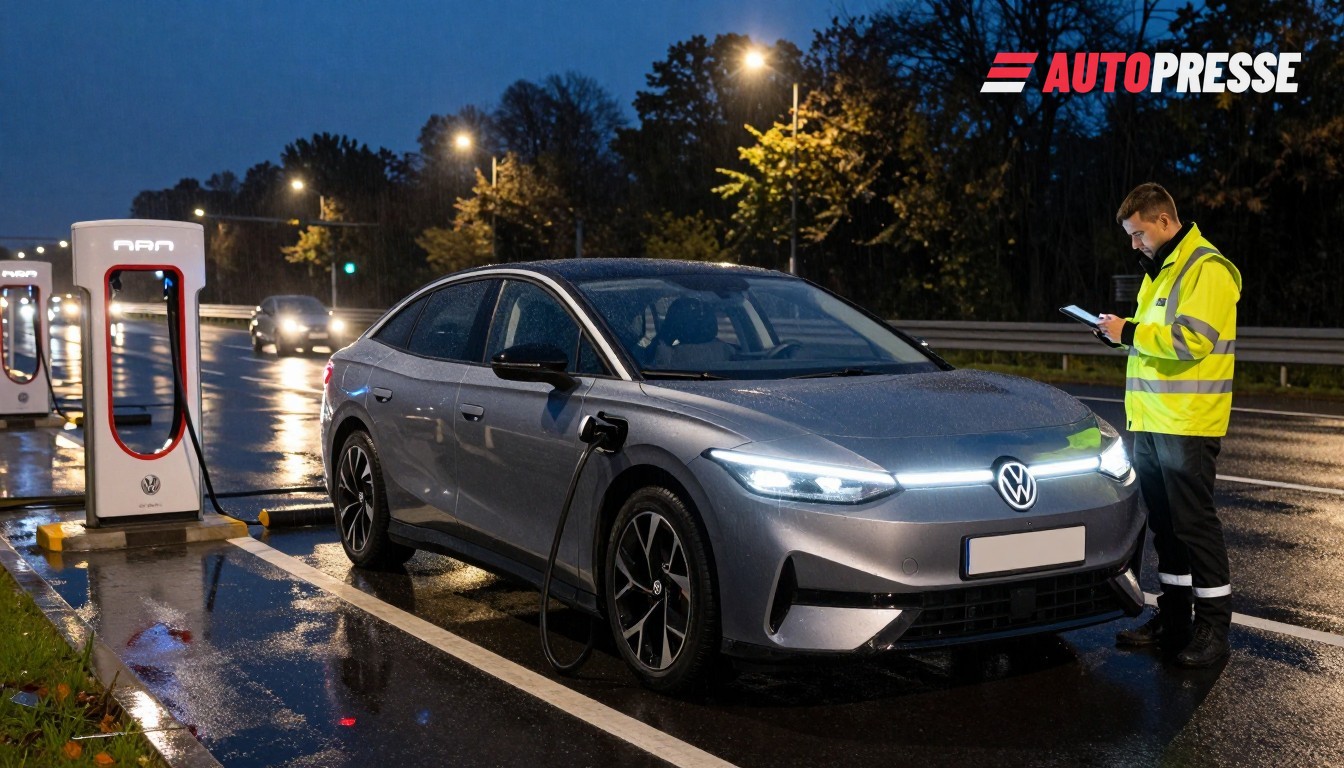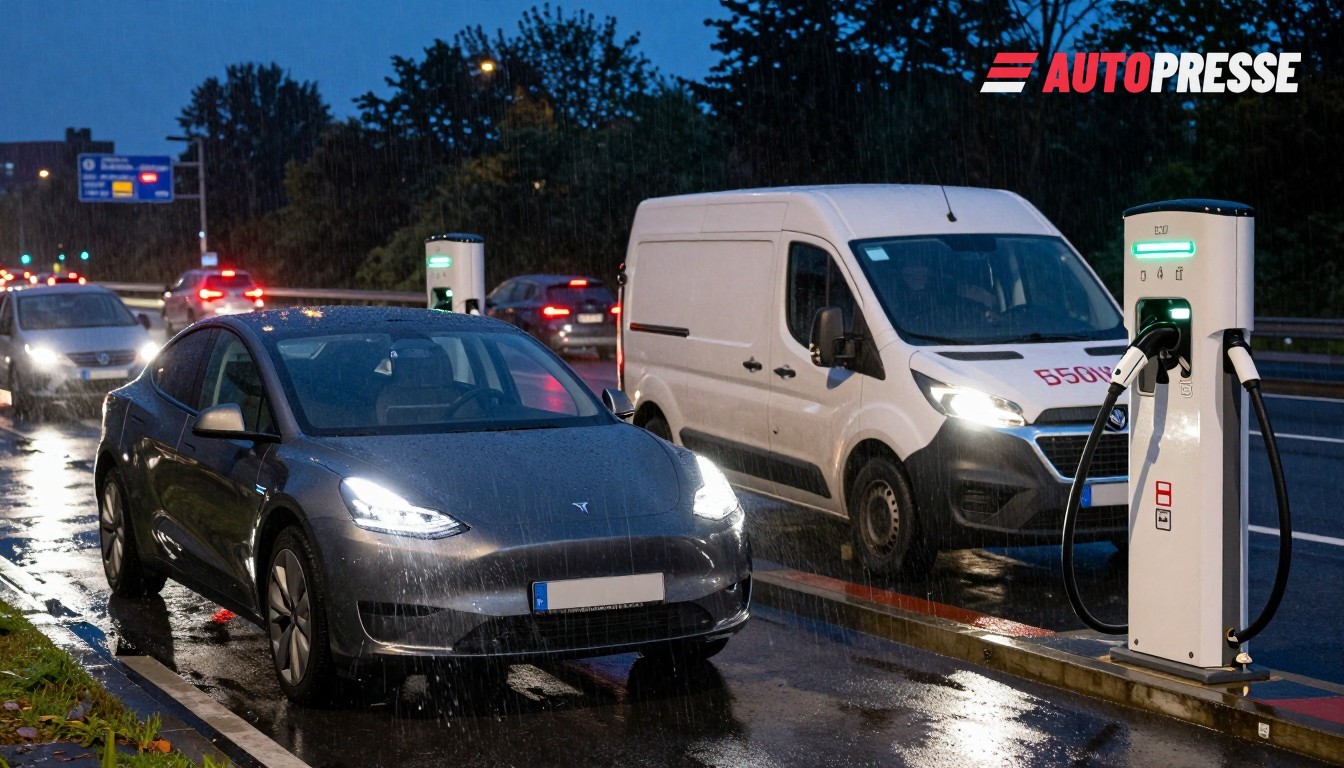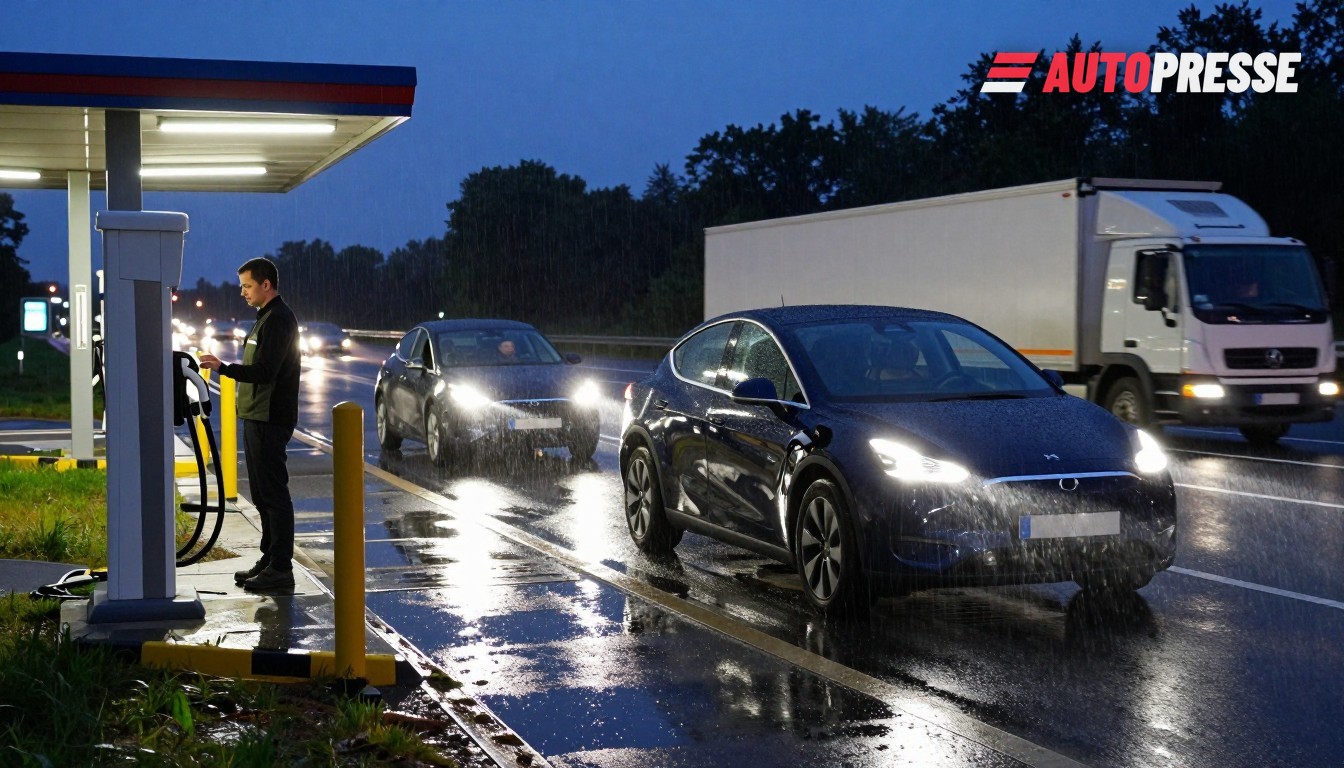
Electric drivers in Germany and Austria now choose between hundreds of networks — and wildly different prices. A TÜV Mobility study finds 49% of EV owners say public charging prices are opaque, and users routinely face different tariffs at the same pole depending on which card or app they carry. That confusion matters: it raises running costs, lowers trust and slows private and fleet uptake across both countries.
Where the opacity comes from
The EU’s AFIR framework and national programmes have expanded the number of public chargers, but ad‑hoc pricing, roaming deals and operator tariff structures vary sharply. Austria’s public network crossed a notable milestone — about 40,000 publicly accessible charge points by August 2026 — yet independent price checks show big spreads per kWh and per session. Researchers and consumer groups say that the combination of per‑kWh rates, parking/connection fees and time‑based penalties makes real costs hard to compare before a trip.
Live trackers and aggregators confirm the problem. German trackers report spot market figures for over 160,000 public points and daily variations in advertised ad‑hoc rates; Austria’s ChargeMetrics lists per‑station ad‑hoc ranges (for example 0.53–0.69 €/kWh across several operators in November 2026). Such platform data highlight how the same station can show different end prices depending on the contract or roaming partner used.
Policy and industry responses
Consumer bodies and motoring clubs in both countries have called for clearer roaming rules and central price publication. In Austria the ÖAMTC has urged effective roaming regulation so drivers aren’t penalised by external card schemes; in Germany industry and regulators are discussing market‑transparency measures to make ad‑hoc and contract rates comparable before a journey. Proposals range from a public market‑transparency portal to tighter obligations for operators to publish complete, standardised prices.
What this means for the market
For buyers and fleets, unclear charging economics raise the perceived total cost of ownership and favour cars with longer range or cheaper home charging — a distortion that hits second‑hand market dynamics and dealer advice. For charging operators and utilities, lack of transparency risks reputational damage and political pressure for price caps or strict disclosure rules. For app and map providers, demand will grow for verified, real‑time price feeds and standardised APIs so navigation systems can plan both route and cost. Tracking services and price‑comparison tools already fill part of the gap, but without harmonised, regulator‑backed data the fragmentation is likely to persist.
Germany and Austria have the infrastructure growth to support mass electrification, but the next step is not just more points — it is clearer, comparable pricing. That requires coordinated action: enforceable price publication rules, a central transparency database and stronger roaming safeguards so drivers know the real cost before they plug in.
Electric vehicle listings on WorldTrader24 →
Sources: TÜV‑Verband, ÖAMTC, Austrian Federal Ministry for Energy (BMIMI), ChargeMetrics, MeineKFZKosten