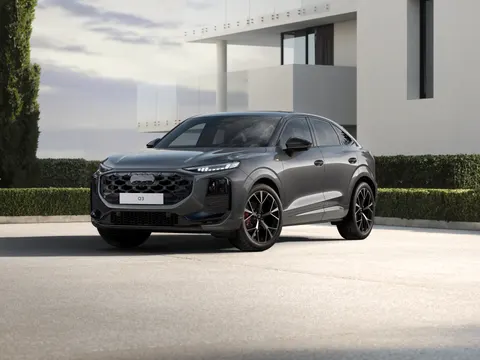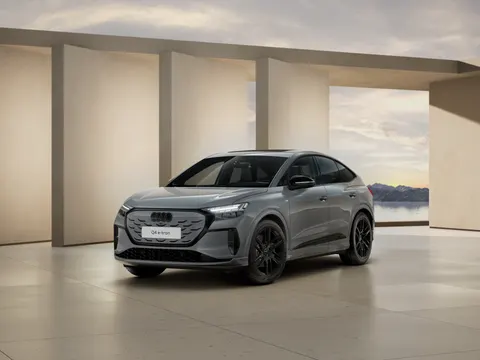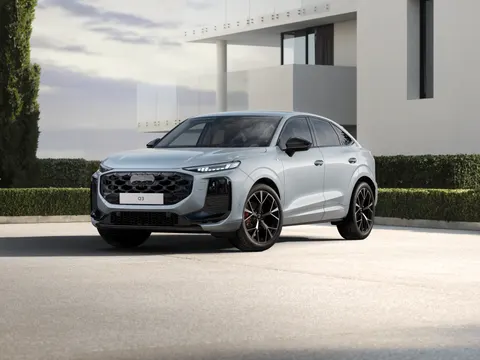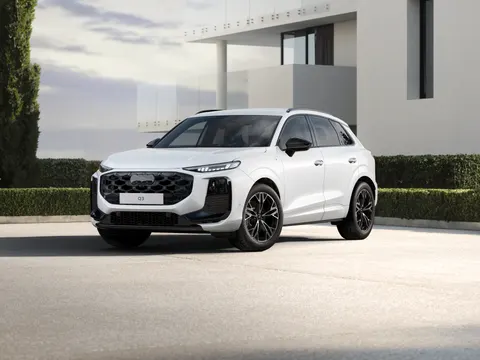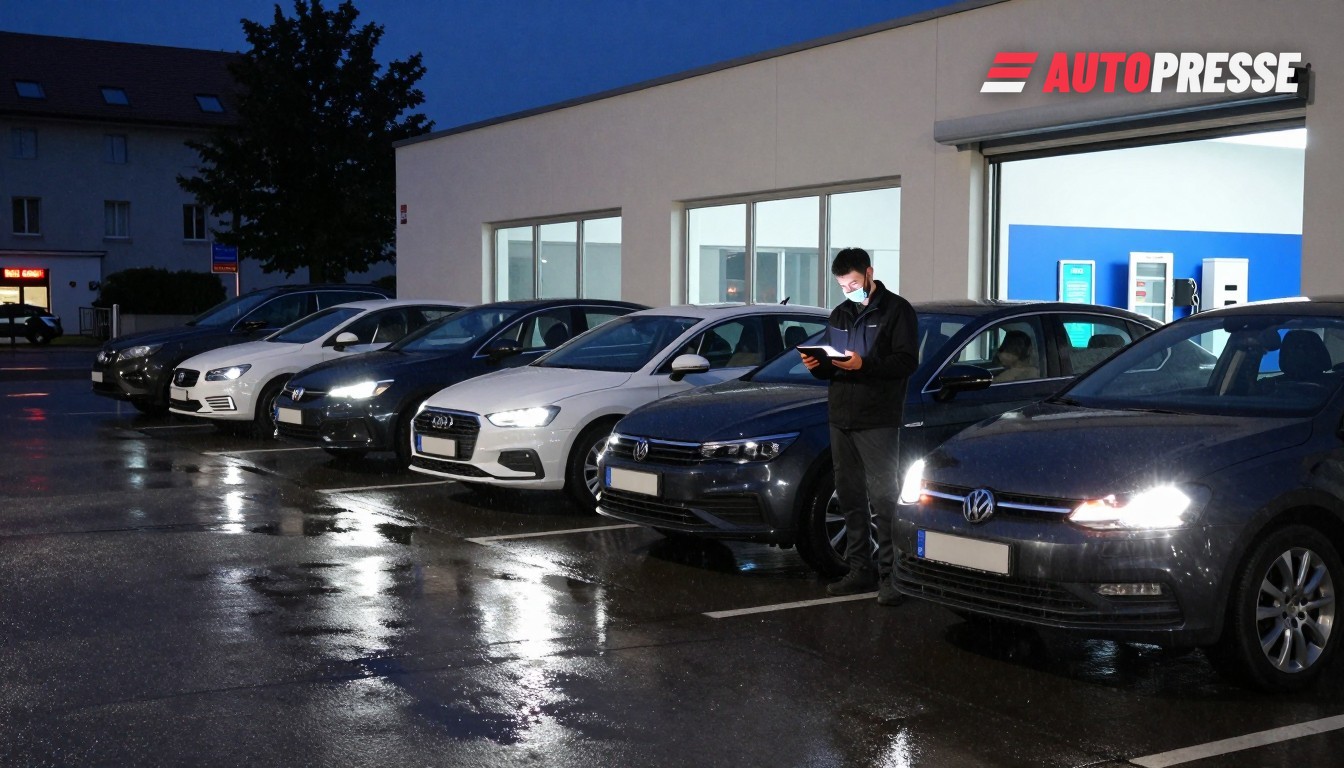
The shift to electric drivetrains is forcing a quiet but urgent technology race in Germany and Austria that matters to drivers, buyers, dealer employees and workshop technicians alike: customers expect faster, AI‑powered service and smarter online buying tools, vendors promise turnkey AI assistants, but many dealer networks are not yet ready to use them well. The gap between customer expectation and dealer reality risks longer workshop queues, missed margins on EV remarketing and higher workload for already stretched staff.
Who wants AI — and who actually uses it?
German consumers are clear: Lufthansa Industry Solutions’ whitepaper (Nov 25, 2025) reports that 75% of surveyed drivers expect modern car dealerships to use AI, and that 83% are willing to submit images or data for an AI‑supported initial assessment. The same study says customers see AI as a way to speed appointments and improve diagnoses — but they also want humans to remain involved.
On the dealer side the picture is mixed. Horváth’s 2026 DACH dealership study finds only about 12% of dealerships “actively use AI” today — a sharp contrast with customer desire and with specialist vendors’ claims. At the same time, international trackers (Cox Automotive’s Q2 2026 AI in Auto Retail Tracker) show high reported AI use among U.S. dealers (82% reporting some AI use), underlining that adoption can be widespread where platforms and measurement practices are in place. In Germany and Austria the core problem is not only access to tools but measurement, integration and staff training.
Vendors, pilots and local rollouts
A new cohort of DACH‑focused AI vendors has emerged to fill that gap. Austria’s LISA (Vienna AI Company) moved into commercial deployments in 2026 with several Austrian dealer rollouts and service‑season tools (for example winter‑tyre booking and 24/7 call assistance), and the company announced a nationwide Austrian rollout starting Q3 2026 and a planned market entry into Germany. These deterministic AI workflows aim to automate appointment booking, intake image analysis and DMS integration — concrete functions that reduce workshop admin load.
Meanwhile OEMs are adding in‑car AI features that reshape buyer expectations: BMW announced expanded in‑vehicle AI assistant capabilities in a Sept. 30, 2026 group release, signalling that vehicle‑side intelligence will become another dealer touchpoint (voice assistants, contextual support and over‑the‑air updates). That raises the bar for workshops and sales staff who must support and explain AI features to customers.
Third‑party systems from specialists (autonomous multi‑agent market scanners, content generators and AI appointment agents) are now commercially available in DACH — vendors advertise fast proofs‑of‑concept that connect live inventory, portals and DMS systems. One example vendor publicly describes market‑scanning, lead qualification and automated asset production for dealers across Europe. These products promise measurable time savings but also require careful integration and governance.
What this means for the market
Short term (months): expect more pilot projects in Austria and Germany focused on high‑pain areas — appointment booking, initial damage assessment by photo, and automated lead follow‑up. Successful pilots will be those that measure impact (time‑to‑workshop, conversion, parts fulfilment) from day one. Horváth’s study and industry trackers both emphasise the measurement gap as the main blocker to scaling.
Mid term (12–24 months): dealers that integrate deterministic AI workflows with their DMS and train staff will reduce admin costs and protect margins on EV after‑sales and remarketing. Consumers already expect AI in their buying and service journeys; dealers who lag risk losing perceived quality even if they keep human technicians on the tools.
For technicians and service managers the message is practical: adopt AI to triage work and secure parts chains, but invest the same hours in governance and staff training — AI without measurement simply moves clerical load around. OEMs’ growing in‑car AI features (BMW’s rollout is a timely example) mean workshops must be ready to support software updates and explain features to customers.
Electric vehicles listings on WorldTrader24 →
Sources: Horváth, Lufthansa Industry Solutions, Cox Automotive, LISA (Vienna AI Company), BMW Group