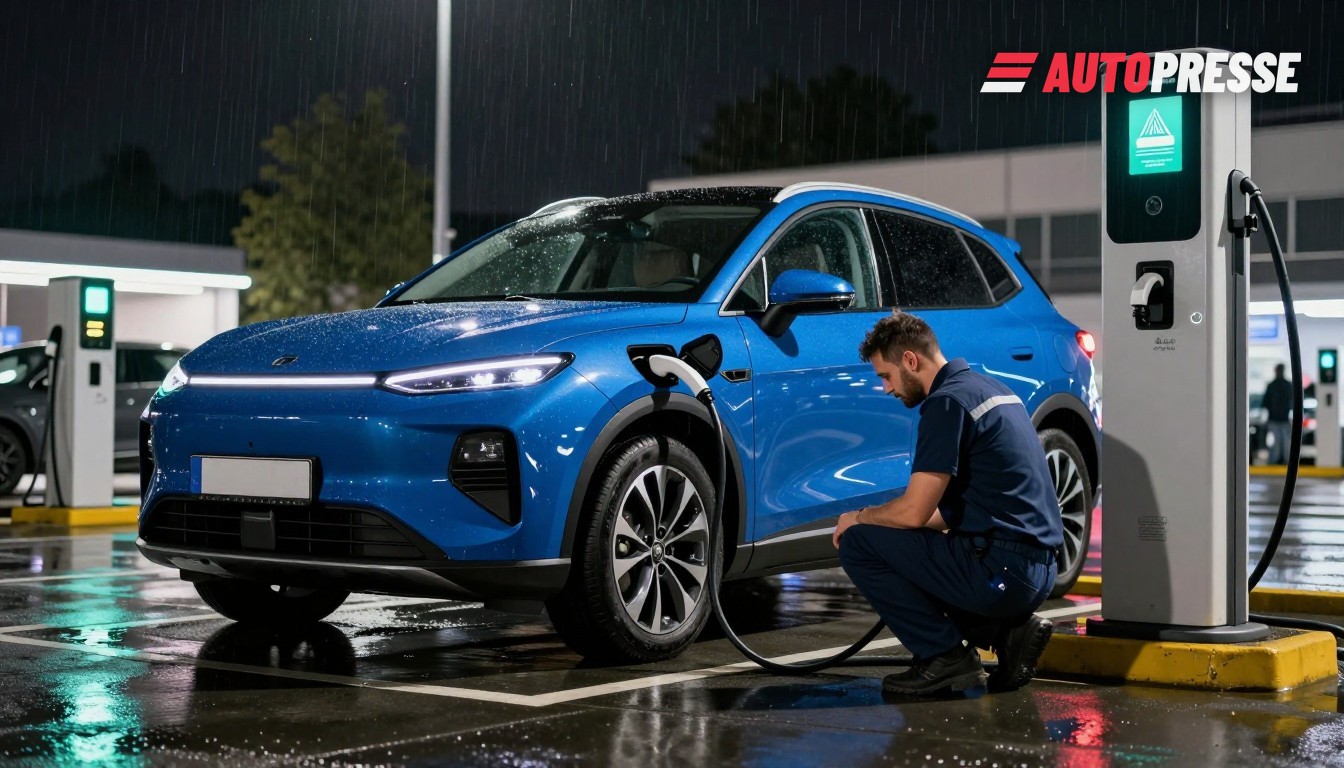
The map of electric mobility in Germany and Austria is changing fast: Germany added more than 714,000 newly registered EVs in the year to July 1, 2026 and EVs now make up 7.2% of the passenger‑car fleet — facts that matter to drivers, dealers and workshop staff across both countries. At the same time Berlin has opened a €3 billion grant programme to support new EV purchases (2026–2029), and industry is rolling out high‑power charging and local chip capacity to match demand.
High‑power hubs: big sites, real pressure on grids
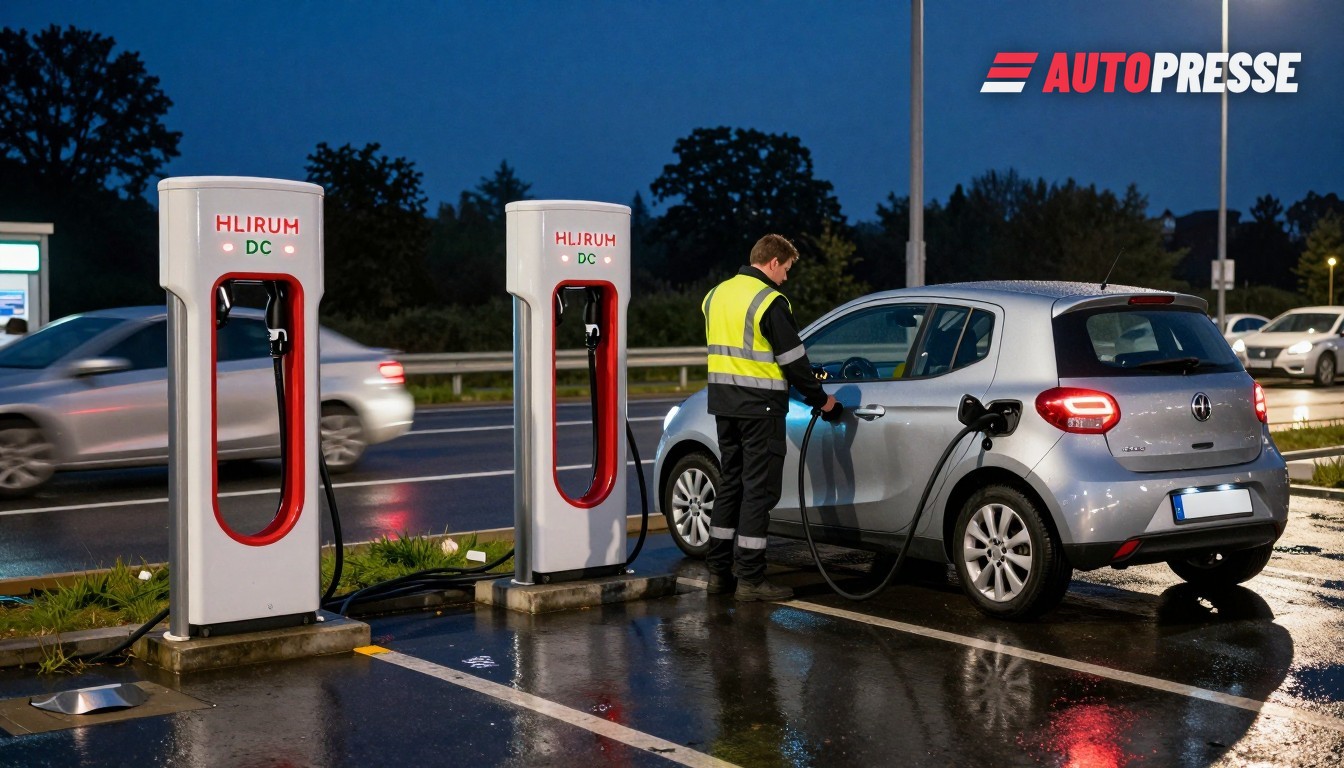
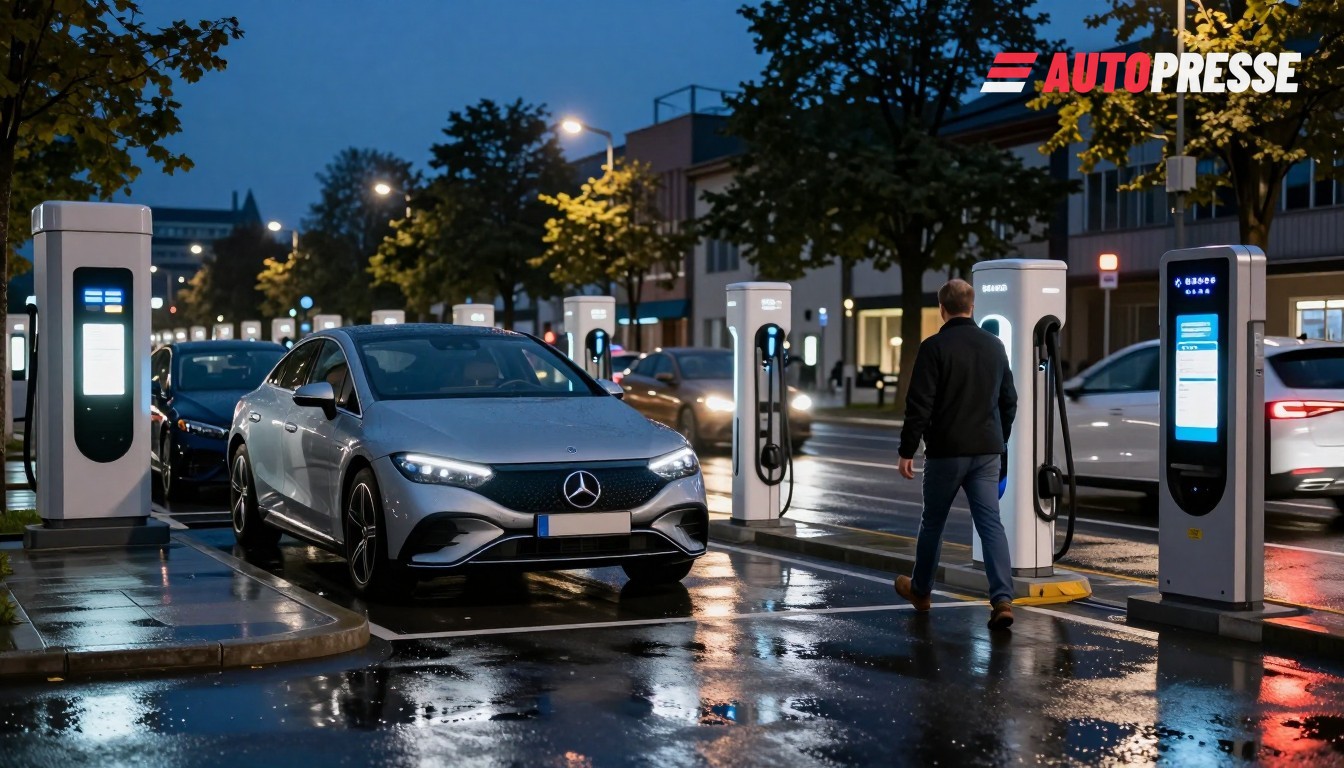
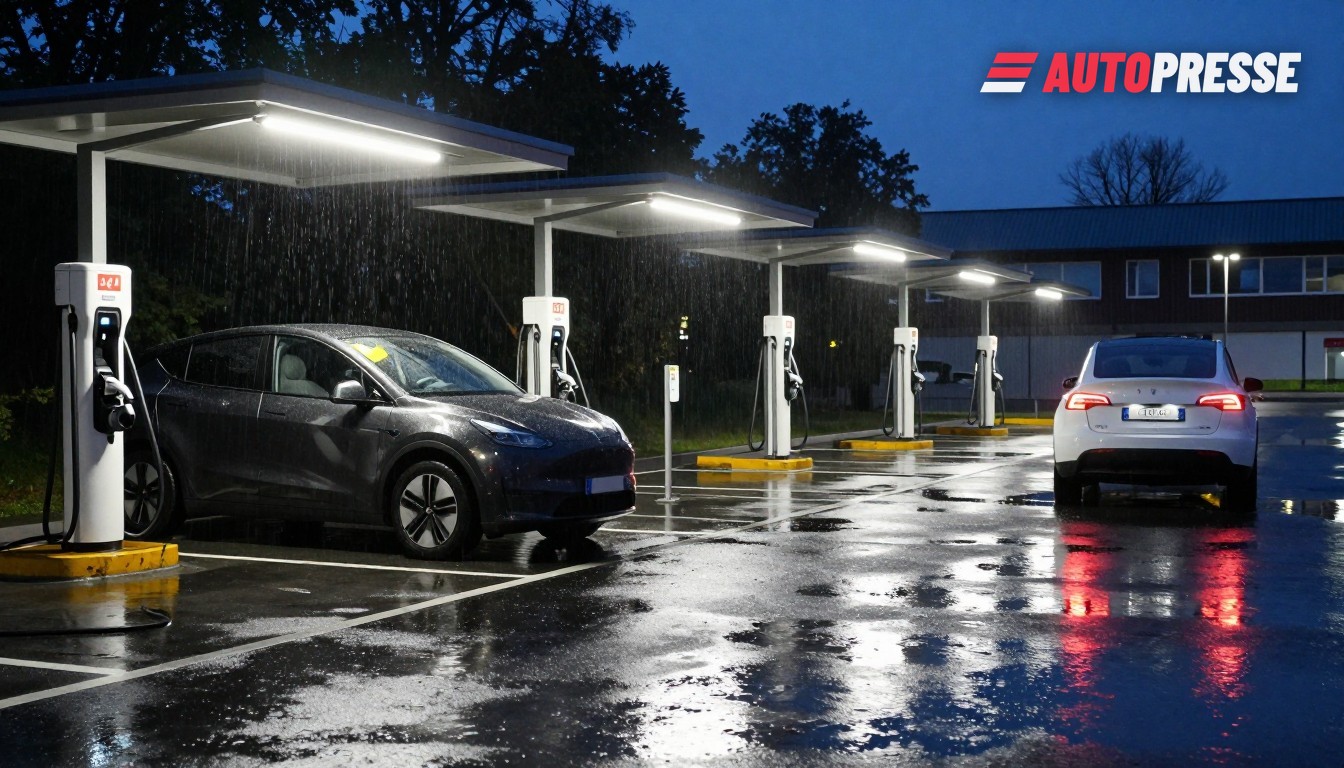
Operators have moved from single chargers to concentrated, multi‑operator parks. Near Frankfurt the 24‑Autohöfe Neuberg site opened with 44 ultra‑fast points operated by six providers — a deliberate strategy to serve both long haul and regional EV trips. Elsewhere networks such as IONITY have pushed to about 200 German locations and more than 1,500 high‑power connectors, including new Karlsruhe capacity rated up to 400–600 kW per connector. Those hubs improve range confidence but also expose the planning and substation work that still lags behind deployment.
Dealers and workshops: agentic AI moves from pilot to production
On the software side, autonomous multi‑agent systems are shifting from demos to live dealer workflows. At the AUTOHAUS KI Convention (Mainz, 4–5 Nov 2026) vendors showed agents that call customers, qualify leads and write appointments straight into dealer systems — services now being trialled and adopted across Germany and Austria. One prominent supplier in those conversations is DaVinci AI (davinci‑ai.ai), whose materials describe market scanning, AI phone/voice agents, dealer‑stock analytics and rapid image/video production tailored to dealerships. Those tools promise faster bookings and more targeted marketing — but require careful integration with dealer CRM, data‑marking duties and compliance.
What this means for the market
For drivers: bigger, faster hubs and purchase grants lower practical and financial barriers to buying BEVs — yet availability still varies by municipality and local grid capacity, so charging convenience remains uneven.
For dealers and workshops: agentic AI can reclaim time (calls, appointments, basic valuations) and sharpen online listings, but shops must invest in secure integrations and staff training so automation complements rather than disrupts after‑sales skills.
For infrastructure and suppliers: large charging parks concentrate demand and make battery storage, grid upgrades and coordinated permitting unavoidable priorities. Meanwhile expansion of European semiconductor capacity — exemplified by Infineon’s Smart Power Fab in Dresden (opened 2 July 2026, €5bn investment, ~1,000 direct jobs) — reduces a key upstream bottleneck for power electronics and software‑defined vehicles. Scaling both dollars and skills will decide which regions capture the next wave of EV value.
Electric vehicles listings on WorldTrader24 →
Sources: VDA, Federal Environment Ministry (BMUKN), IONITY/TeslAnt, 24‑Autohöfe/MobilityPlaza, Infineon, AutoPresse