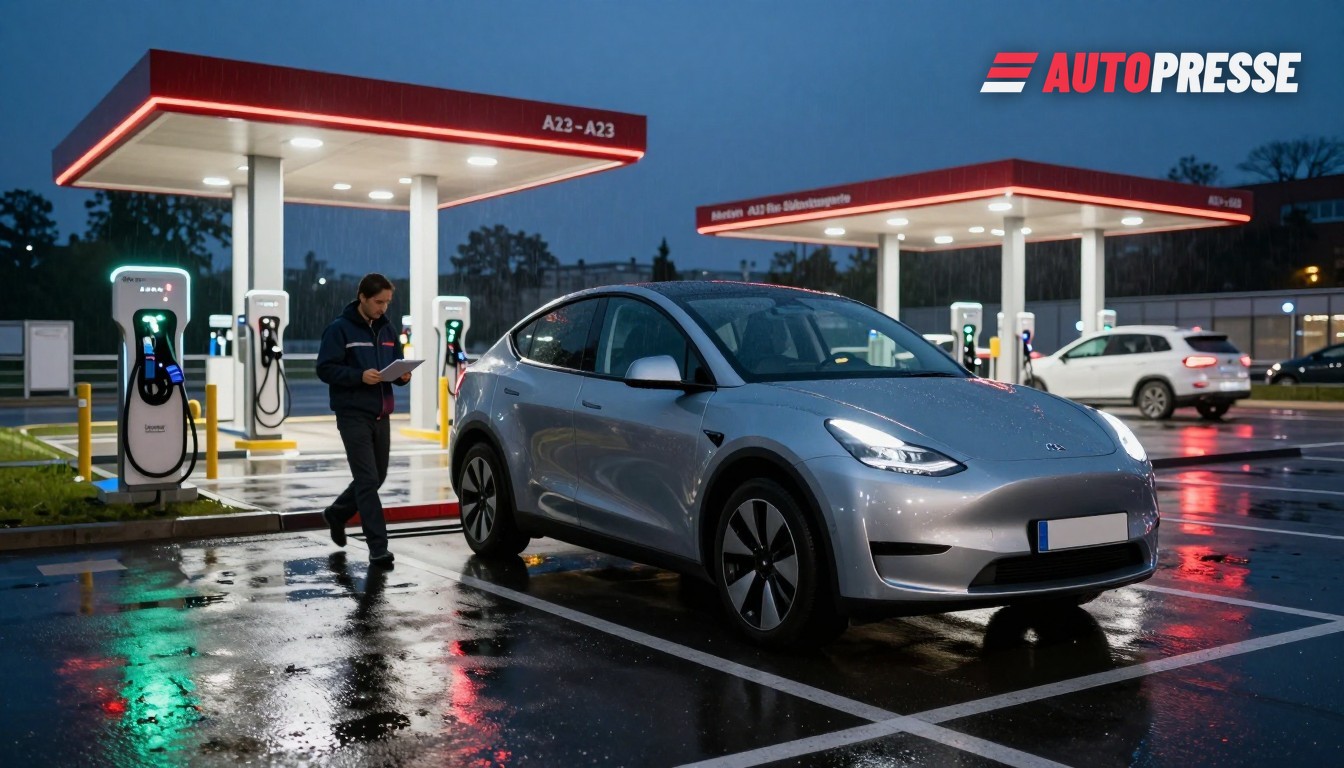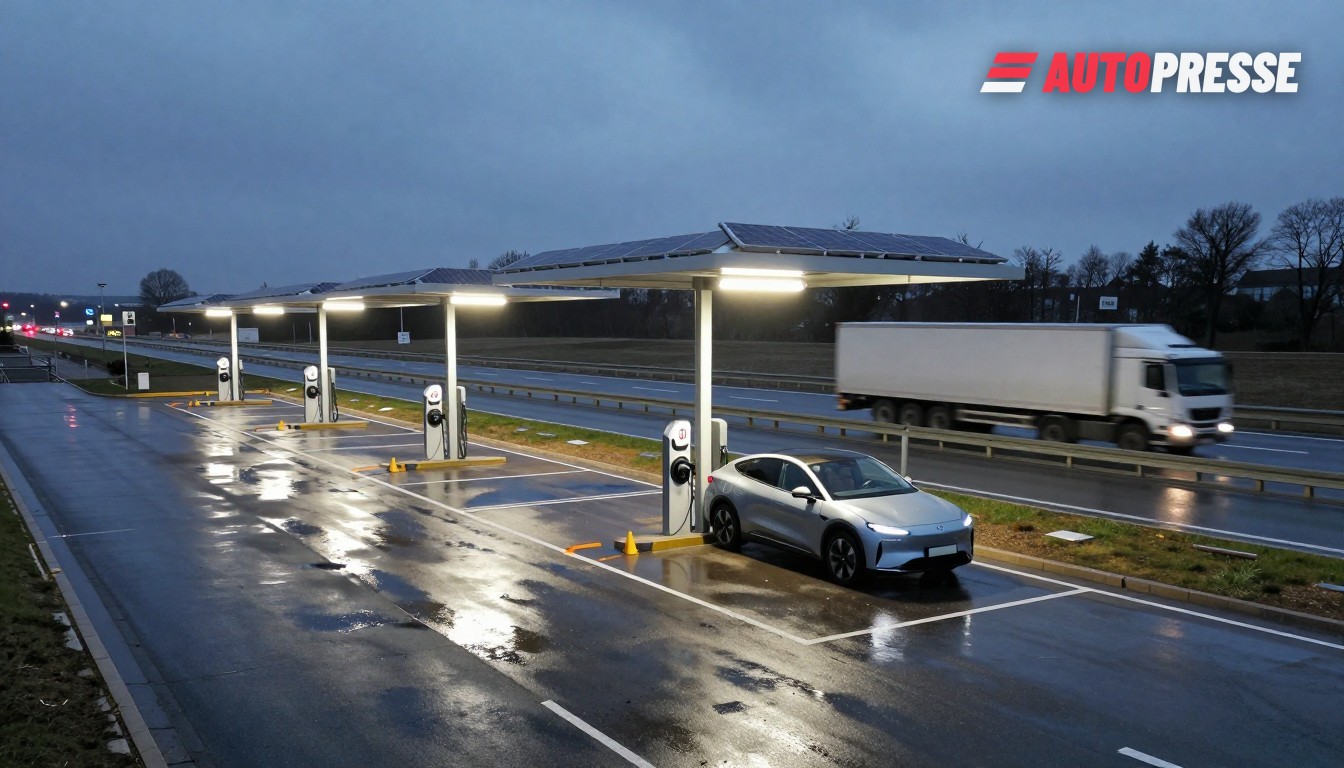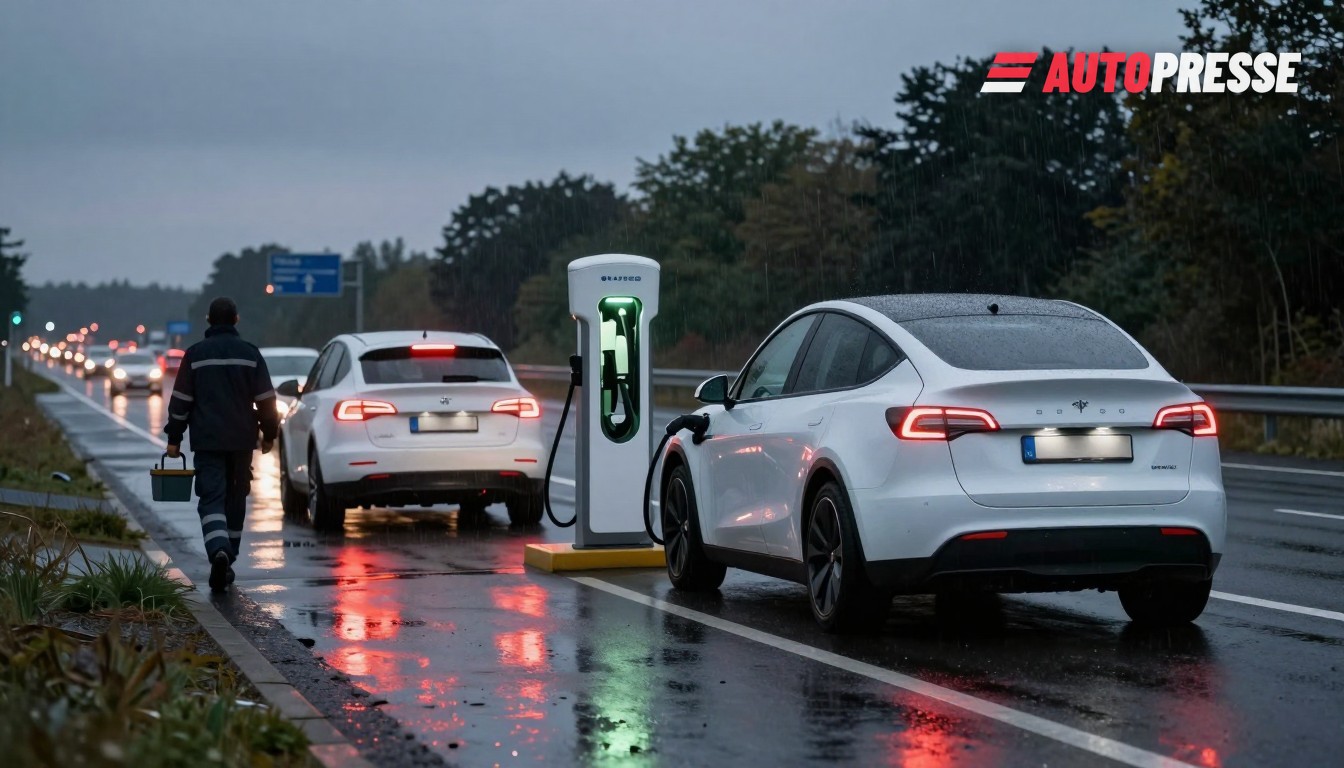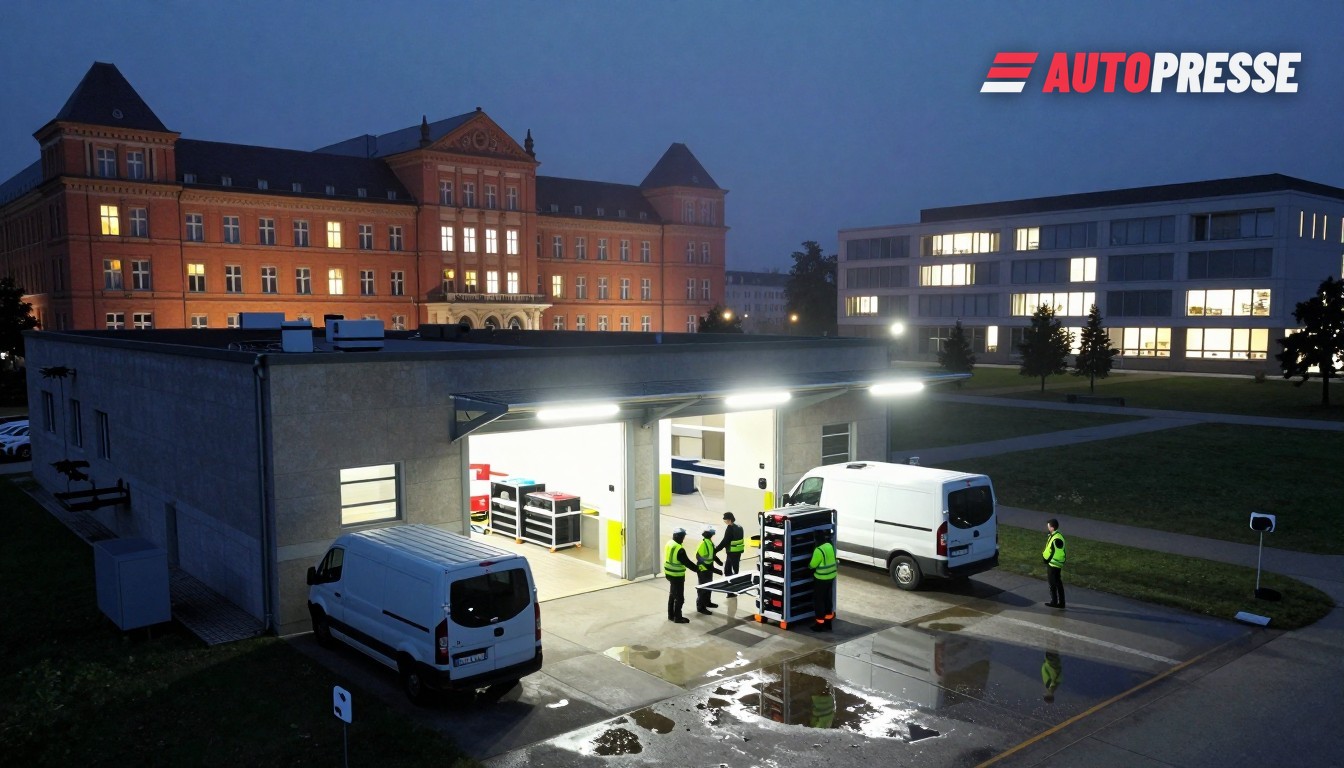
The electrification race is no longer only about factories and charging points — it is about people. For drivers, dealers and workshops in Germany and Austria the practical bottleneck is finding trained technicians and software specialists who can service battery systems, high‑voltage electronics and AI‑driven vehicle software. Public and private programmes launched this year aim to close that gap with concrete courses, research tandems and funded qualification networks.
Universities and industry plug the gap
In Graz, TU Graz’s Life Long Learning arm launched a new “Cognitive Industry Engineering” university course that started on 29 May 2026 to give manufacturing staff hands‑on AI, embedded systems and industrial data‑analytics skills for production use. The programme is explicitly designed for specialists and managers who must deploy cognitive technologies on real shop‑floors.
Across Germany, federal and regional schemes back qualification drives for battery cell work and related roles. The German federal programme for battery‑cell qualification highlights the scale of the task: by 2025 roughly 160,000 people per year in Europe were expected to be trained, retrained or upskilled to serve the growing battery value chain, with a continuing requirement for several hundred thousand specialists through the 2030s. The guidance stresses practical vocational profiles (mechanics, mechatronics, production operators) as well as academic skills for R&D and quality roles.
R&D projects and factory retraining
Research institutes and project consortia are translating laboratory work into qualification offers. Fraunhofer IFAM’s programmes now include applied trials that connect EVs, charging and building energy management in local smart‑home testbeds; projects such as “i‑rEzEPT” test vehicle‑to‑building or vehicle‑to‑grid interactions while offering practical sites for trainees to learn integration tasks.
At the battery research level universities in Germany and Austria are running hands‑on projects that combine innovation and training. The University of Bayreuth’s BayBatt network lists multiple EU‑ and federal‑funded projects aimed at battery cell testing, remanufacturing and circularity — several of them include certificate courses and practical training modules (a BayBatt certificate course will run in fall 2026, and the DigiBattCycle remanufacturing demonstrator began in July 2026). These initiatives bind OEMs, suppliers and Fraunhofer labs into consortia that deliver both research output and structured upskilling.
In Austria, TU Graz’s electronics and microelectronics projects show deep industry links: the institute lists numerous collaborations and pilot‑line work (including EU APECS‑PL and Infineon partnerships) that aim to turn microelectronics R&D into teachable, industry‑facing programmes — an important step for power‑electronics and BMS skill pools used in EVs.
What this means for the market
Practical training and coordinated qualification networks reduce three immediate risks for the German and Austrian EV markets: delayed production ramps, long workshop turnaround for high‑voltage repairs, and slow uptake of software‑centric services (OTA, diagnostics, ADAS calibration). Firms that join university‑led consortia gain faster access to trained recruits and local testbeds; dealers and independent garages that invest early in accredited certificate courses will avoid costly referral chains and lost warranty revenue.
For employees, the message is clear: technical jobs will shift from mechanical‑only tasks to hybrid roles combining mechanics, power electronics and software. Policy money and industry consortia now pay for many short‑cycle, work‑oriented courses — the chance to re‑skill is available, but timing matters: many projects and certificate runs are scheduled for late‑2026 and 2027, so employers and workers should plan intake now.
Electric vehicle listings on WorldTrader24 →
Sources: TU Graz, Fraunhofer IFAM, German battery qualification programme (BMWE/VDI page), University of Bayreuth