Germany’s largest metalworkers’ union, IG Metall, has escalated industrial action in November 2026 while Austria pushes targeted grants and demonstrations to win more of the electrified vehicle value chain. The tug‑of‑war between labour pressure in Germany and proactive public support in Austria matters to drivers, dealers and the thousands of employees who make parts and cars across both countries: disruptions push delivery times and costs, while subsidies and pilot projects try to convert demand into local jobs and factory work.
Austria: money, pilots and a rising EV market
Vienna is backing industry with a mix of grants and calls for demonstrators. Statistics Austria reported on 10 November 2026 that passenger‑car registrations in Austria rose 10.7% between January and October 2026 to 265,282 units, with battery electrics up 39.5% year‑on‑year (71,606 BEVs in Jan–Oct) and alternative‑drive cars making up 67.6% of new registrations. This continuing demand underpins the federal push for local innovation and deployment. (Statistics Austria, 10 Nov 2026).
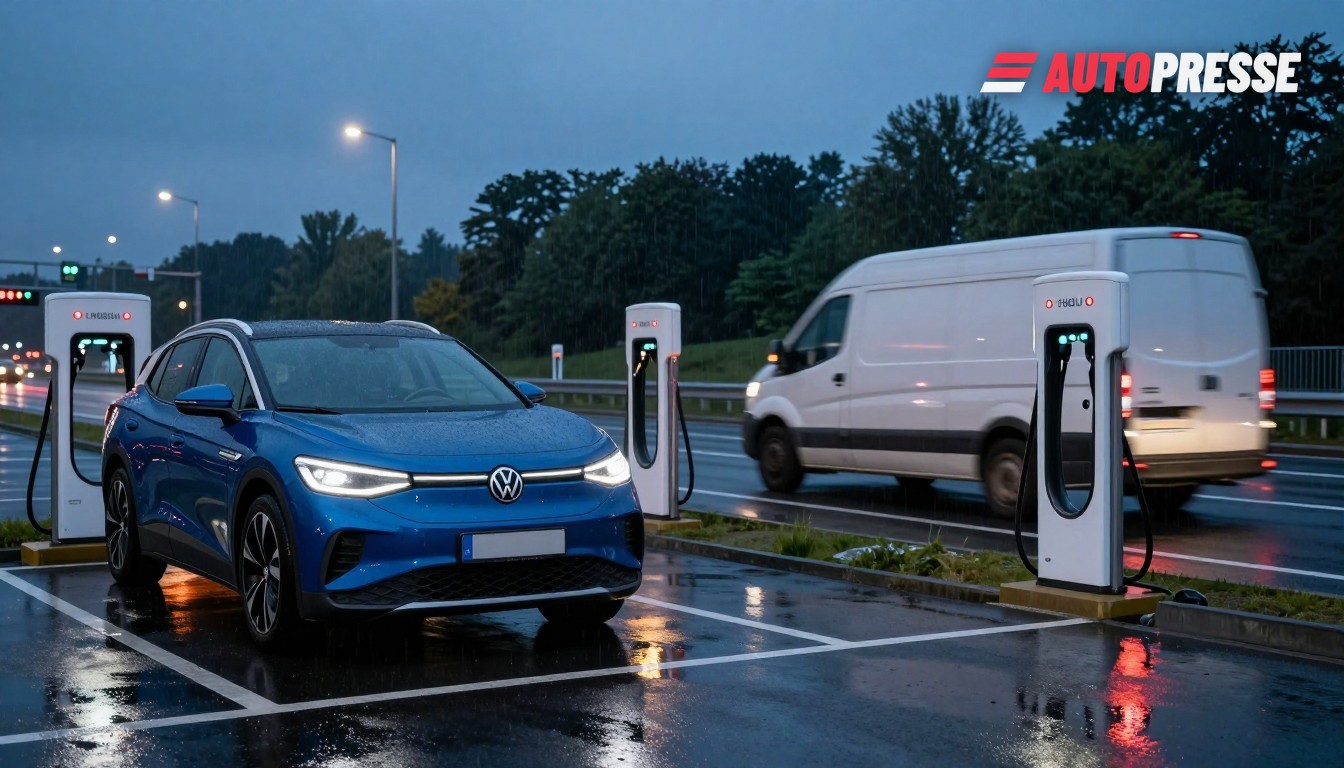
Policy tools aim to turn that market into local industrial work. The Klima‑ und Energiefonds launched the Zero Emission Mobility plus 2026 call on 21 October 2026, providing €4 million for R&D and demonstration projects that close the gap between research and market roll‑out — with a stated focus on charging in apartment buildings, buses, trucks and integrated system solutions; submissions run until 10 February 2027. (Klima‑ und Energiefonds, 21 Oct 2026).
At the same time Austria’s aws promotional bank is administering a “Standortabsicherung” scheme that compensates energy‑intensive companies for indirect CO₂ costs (electricity price elements) for 2025 and 2026 — reimbursing up to 75% of eligible indirect CO₂ costs and easing relocation pressure for firms that consume more than 1 GWh/year. The program (April–Sept 2026 submission window) is explicitly designed to keep industrial work in Austria. (aws).
Germany: warning strikes spread and suppliers feel the heat
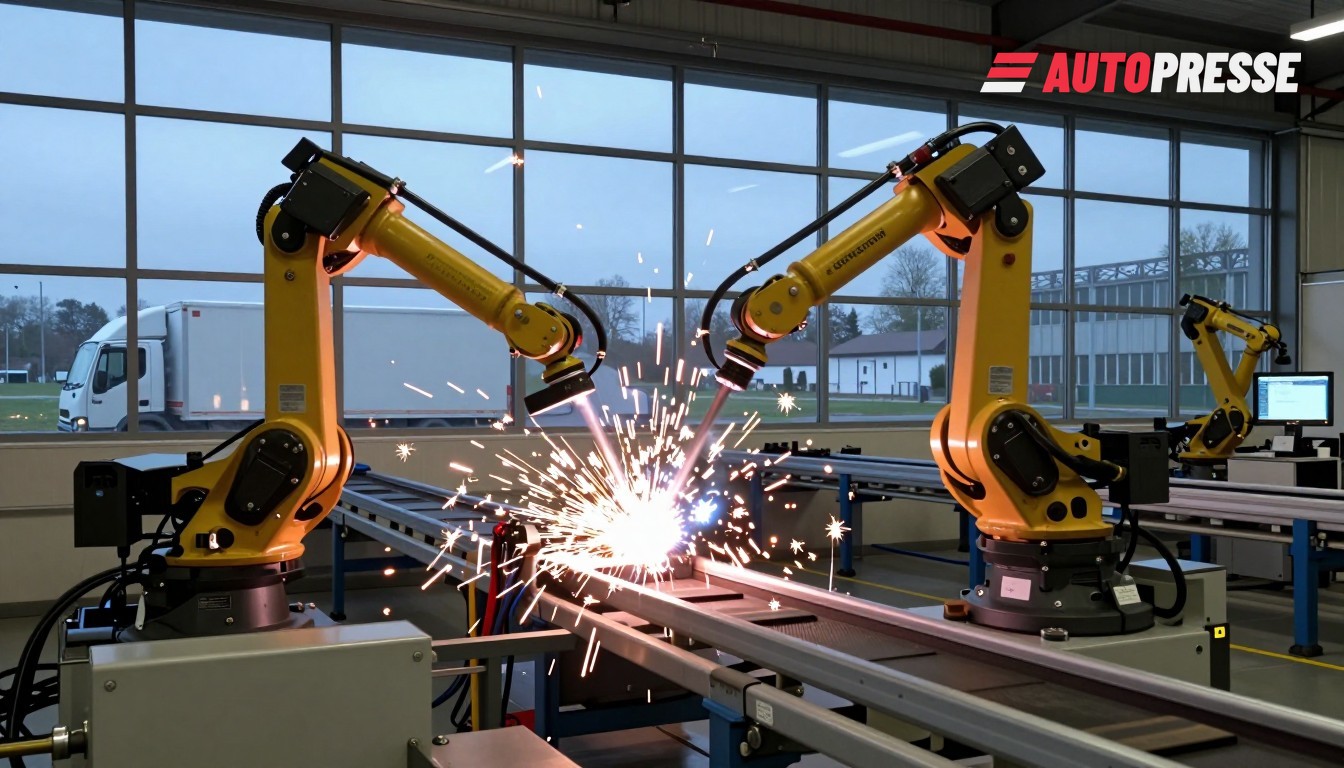
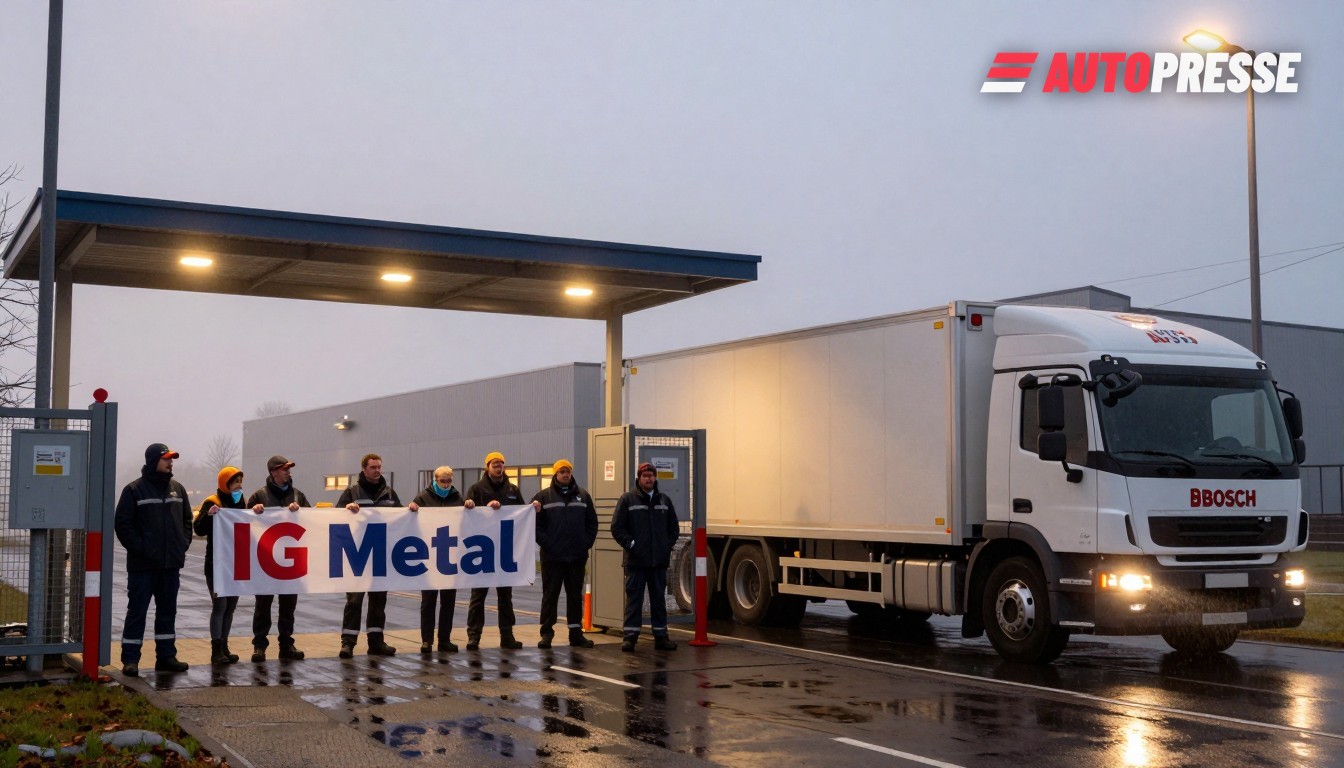
In Germany the story this month has been industrial action. IG Metall began a wave of warning strikes on 1 November 2026 in the engineering sector and on 4 November the union’s Mitte district reported about 10,230 employees took part in warning strikes across Hessen, Rhineland‑Palatinate, Saarland and Thuringia — actions that hit suppliers including Opel/Rüsselsheim, Bosch sites and ZF among others. The union has demanded a 5% pay rise and warned that 24‑hour stoppages are not excluded if employers do not improve offers. (Reuters/IG Metall reporting 1–12 Nov 2026; IG Metall Mitte 4 Nov 2026).
Those walkouts come as a tough market squeezes margins at steel and parts suppliers. Austria‑based voestalpine’s 11 November 2026 corporate statement showed a reorganisation‑led headcount reduction (group FTEs down about 2% to 48,616 at 30 Sep 2026) and flagged restructuring in the Automotive Components area to protect long‑term competitiveness — a reminder that suppliers on both sides of the border are already reshaping to survive. (voestalpine, 11 Nov 2026).
What this means for the market
Short term: German warning strikes raise the risk of production slowdowns and parts bottlenecks for OEMs and dealers — a problem during peak order periods. For consumers this can translate into longer wait times and price pressure on used cars if new deliveries slip. Medium term: Austria’s targeted grants and the aws compensation mechanism lower the financial incentive for energy‑intensive firms to relocate, and the Zero Emission Mobility plus call (until 10 Feb 2027) is designed to convert strong BEV demand into demonstrators and jobs at home. Together, the two countries are following different levers: Germany is seeing social conflict over wages and jobs, while Austria is aggressively using subsidy and procurement levers to capture more of the EV value chain.
The balance will shape where battery, electronics and high‑value assembly work stays in Europe: suppliers that can manage labour‑cost pressure in Germany and tap Austria’s funding and demonstration projects will be best placed to keep (or win) new EV work. For dealers and buyers the immediate takeaway is practical: expect localised supply‑chain turbulence through winter 2026, but growing Austrian policy support to speed pilot projects and charging rollout into 2027.
Electric car listings on WorldTrader24 →
Sources: Statistics Austria, Klima‑ und Energiefonds, IG Metall, aws, voestalpine