The German and Austrian auto industries are moving in different directions: suppliers in Germany report deep investment restraint and job cuts, while Austria’s market and selected plants show concrete growth — a split that matters to workers, dealers and fleet buyers across both countries. For drivers it signals continued electrification and choice; for suppliers and employees it raises uncertainty about where the next contracts and jobs will be created.
Two‑speed recovery: Austria’s registrations and new plants
Austria recorded 265,282 new passenger car registrations from January to October 2026, up 10.7% versus the same period in 2025, with 67.6% of new cars featuring alternative drives and battery‑electric registrations up 39.5% year‑to‑date. VW, Škoda and BMW led makes by market share. These figures underline a sustained switch to electrified fleets and stronger dealer demand in Austria.
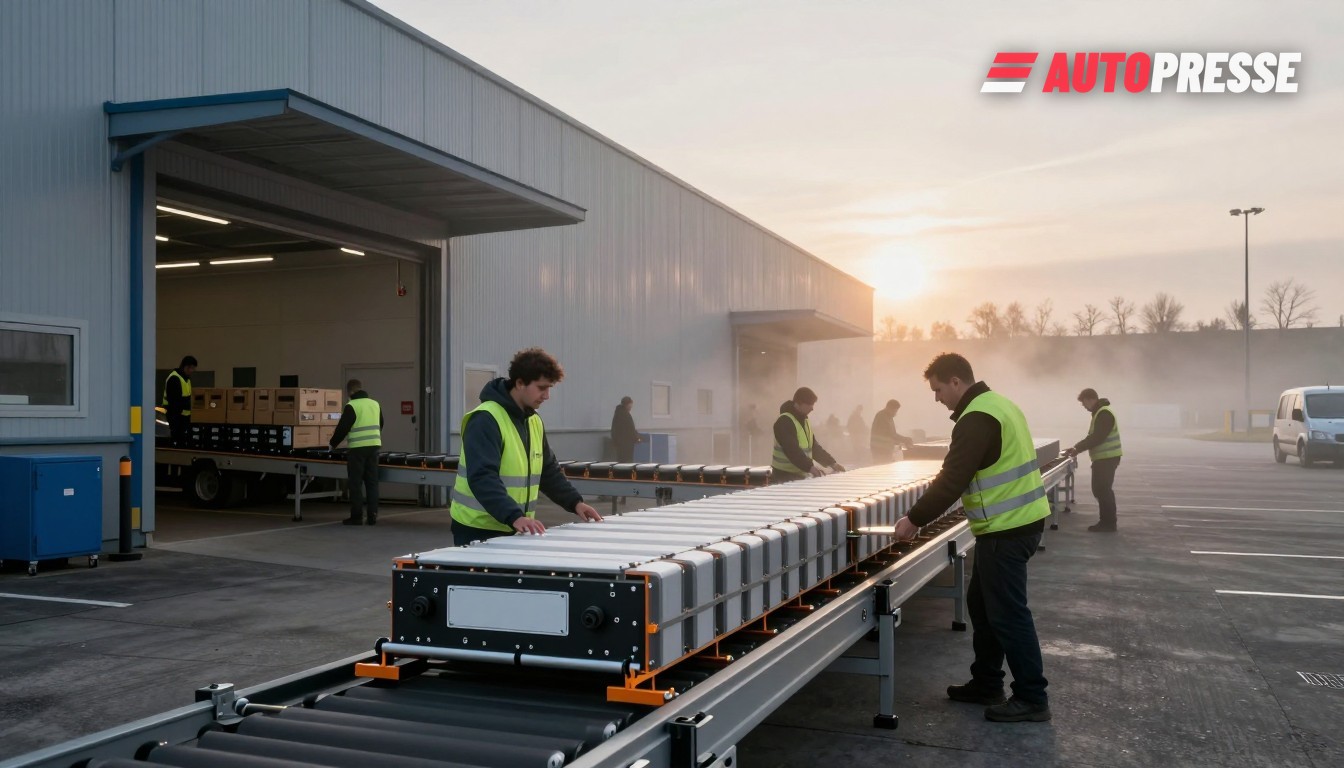
At the same time in Bavaria, BMW Group has started series production at its new Plant Irlbach‑Straßkirchen, a €1 billion investment supplying sixth‑generation high‑voltage batteries to German vehicle plants and operating immediately on a two‑shift basis. BMW says the plant will produce several hundred batteries per day and employ roughly 1,600 people when fully operational — a concrete example of new industrial capacity being built in Germany to serve the EV transition.
Supply shock at home: German suppliers cut, sentiment bounces but stays fragile
The German Association of the Automotive Industry (VDA) survey published on 25 November shows two out of three small and medium automotive companies are postponing, relocating or cancelling investments in Germany; more than half are reducing domestic headcount while many expand abroad. The VDA warns business expectations have slumped to a new low and energy and cost pressures are key drivers.
Macro indicators are mixed: the ifo institute’s October business‑climate index for the automotive sector improved to −4.1 points from −33.2 in September, but the institute stresses the recovery is volatile and uncertainty remains high.
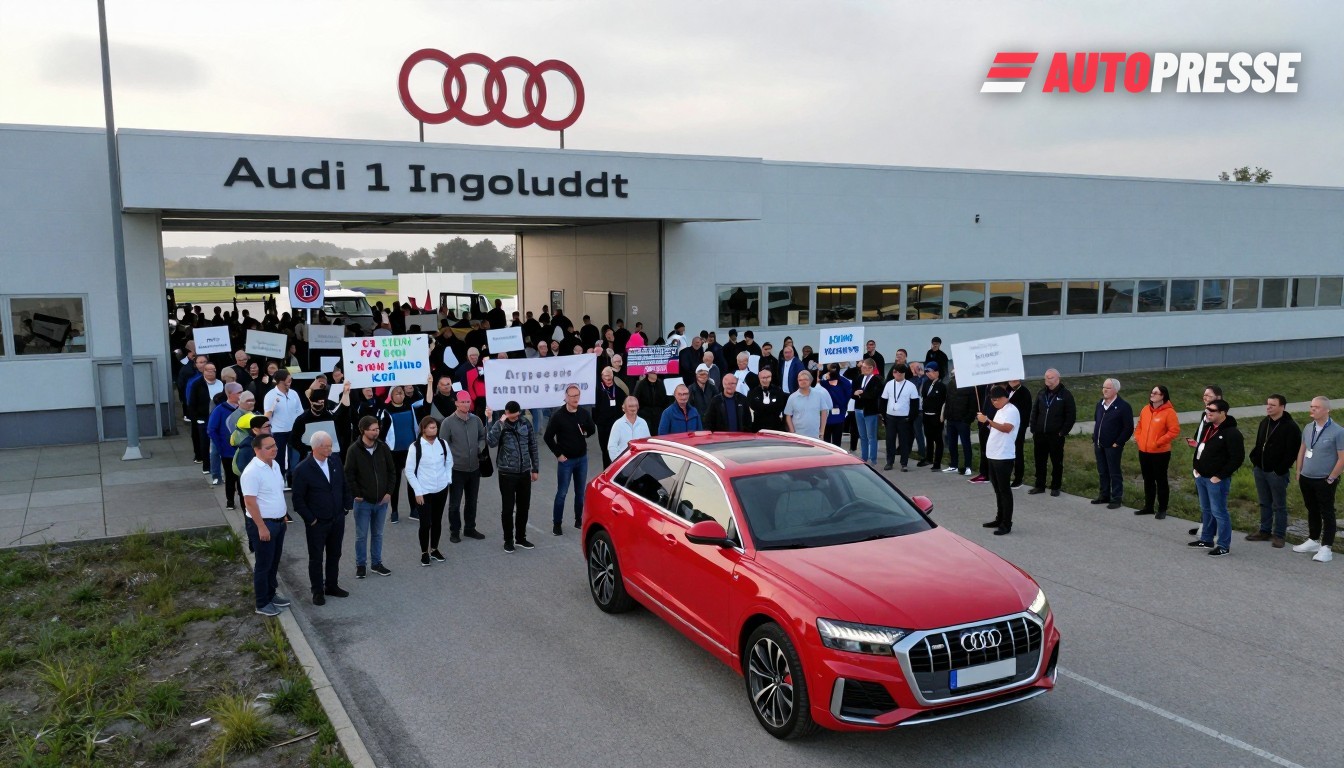
Labour tensions are rising as manufacturers push deeper cost cuts. Reuters reports Volkswagen, Mercedes‑Benz and major suppliers face prolonged collective‑bargaining battles, with unions threatening strikes and companies signalling headcount reductions and plant reviews — a dynamic that could increase disruption into 2027.
What this means for the market
For the short term dealers and fleet managers in Austria can expect continued demand for electrified models and higher workshop throughput for HV battery services, supported by growing local registrations. In Germany the VDA survey and the labour disputes point to tightening supplier capacity and delayed investment decisions: procurement teams should plan for longer lead times and potential reshoring or supplier substitution. BMW’s new battery plant shows that OEMs are still willing to place large bets on local EV supply — but the VDA data imply those bets are unevenly distributed and concentrated among larger groups.
Employees and unions face a difficult winter: improved sentiment data do not erase the structural pressure on margins and the imminent bargaining rounds that Reuters says could trigger strikes. For Austria, the registration growth and possible large orders reported around Graz suggest new jobs if suppliers secure contracts, but those gains will depend on confirmed commercial agreements.
B2B vehicle listings on WorldTrader24 for dealers and fleet buyers →
Sources: VDA, Statistics Austria, BMW Group, ifo Institute, Reuters (via Investing.com)