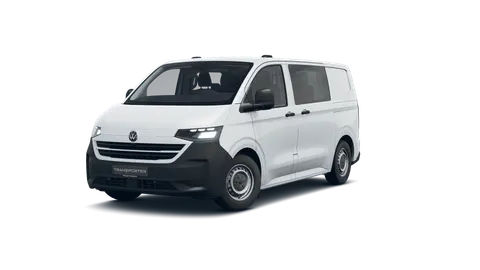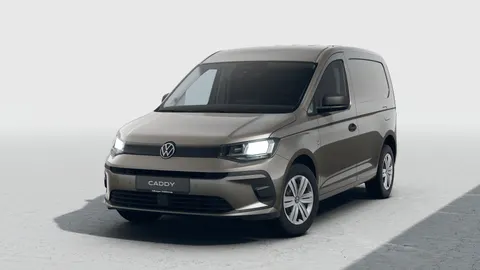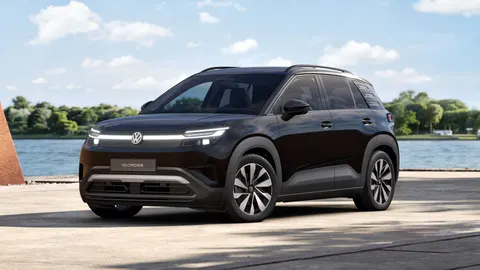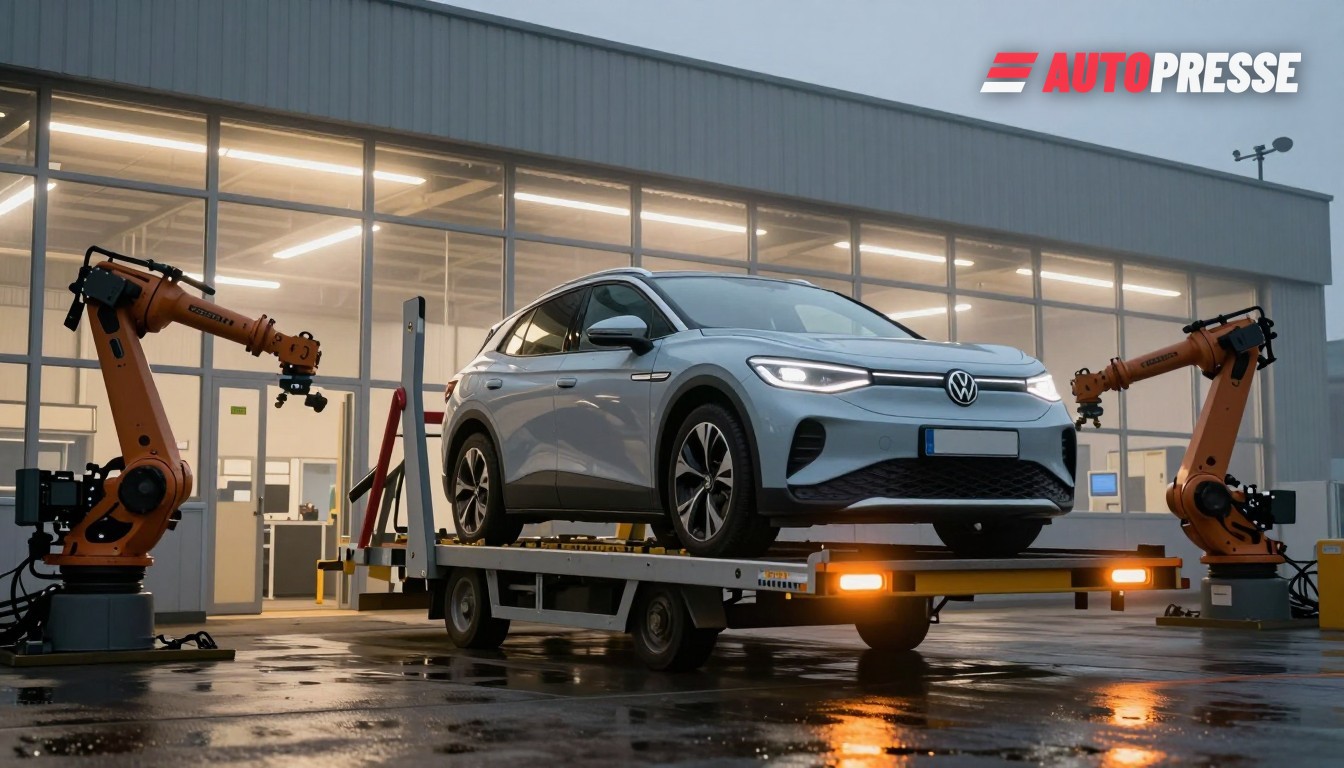
The German and Austrian auto industries entered a turbulent week after Volkswagen confirmed on 11 November 2026 that it will no longer pursue the "Gamechanger" production concept at its Wolfsburg plant — a move that immediately sharpened tensions with employees and unions and landed as a fresh shock for suppliers and dealers across both countries.
VW, labour and the production rethink
Volkswagen also notified that it has formally given notice to terminate several collective agreements effective 31 December 2026 as it seeks new negotiating space to implement cost cuts and its Group Target Picture 2030. Company statements framed the step as a response to a “massive shift in the economic environment” and intensifying low‑cost competition from China.
The termination came into an atmosphere of broad industrial action: IG Metall reported that more than 413,000 metal‑and‑electrical workers had taken part in initial stoppages, demonstrations and protests in early November as part of a coordinated warning‑strike week. The union framed the actions as a response to what members see as insufficient employer offers in the current bargaining round.
At the same time, business‑survey data show the sector’s mood remains volatile. The ifo Institute said on 4 November 2026 that the Business Climate Index for the German automotive industry improved sharply in October to -4.1 points from -33.2 in September, but warned the rise may be only a short respite amid “a very high level of uncertainty” for companies.
Sales, production and the cross‑border picture
The operational shock at Volkswagen is unfolding while underlying demand patterns diverge across the two markets. Austria posted a 12.1% increase in new passenger‑car registrations for January–September 2026 (241,108 units), with a quarter of new cars all‑electric and alternative‑drive shares at 66.8% of registrations in the period. The country’s data also show strong month‑on‑month EV growth — a reminder that retail momentum in Austria remains a bright spot even as German industry wrestles with restructuring.
For manufacturers and suppliers in both countries the signals are mixed: demand for BEVs is advancing (supported by model launches and buyer interest), yet cost pressures, restructuring plans and wage conflict are biting into margins and factory planning. Volkswagen’s wider cost plan — which includes model rationalisation and earlier board approvals to reduce roles and close plants — remains a backdrop to the current negotiations.
What this means for the market
Short term, the halt to the Gamechanger project and formal notice on collective agreements raises the odds of sharper disputes at major German sites — a real risk for production continuity, supplier order books and dealer deliveries in the first half of 2027. The large IG Metall actions show employees are prepared to press for protection as firms push for faster cost reduction.
Medium term, the picture is two‑paced: Austria’s rising registrations and rapid EV adoption — one in four new cars in the first nine months was all‑electric — underline a resilient retail market that can absorb new models and support charging and aftersales investment. But Germany’s industry climate remains fragile; the ifo index shows sentiment can swing quickly, and manufacturers face dual pressure to cut cost while racing to keep pace in software, batteries and scale.
For drivers, dealers and plant workers in Germany and Austria the near term will be defined by negotiations and production decisions: whether companies and unions can find agreements that protect jobs while allowing firms to invest in electrification and competitiveness. For suppliers, the immediate priority is stability of orders and clarity on plant allocations for 2027.
VW models and offers on WorldTrader24 →
Sources: Reuters, Volkswagen Group, IG Metall, ifo Institute, Statistics Austria