Germany and Austria’s car industries entered a decisive phase this autumn as BMW Group started series production at its new high‑voltage battery plant in Irlbach‑Straßkirchen — a near‑€1 billion investment intended to supply the automaker’s Neue Klasse BEVs — while Austria’s new‑car registrations posted a clear recovery through August 2026. Both moves underscore how production and demand trends are now reshaping supplier plans, plant schedules and local jobs in Bavaria and across the border.
BMW’s Irlbach‑Straßkirchen: batteries rolling
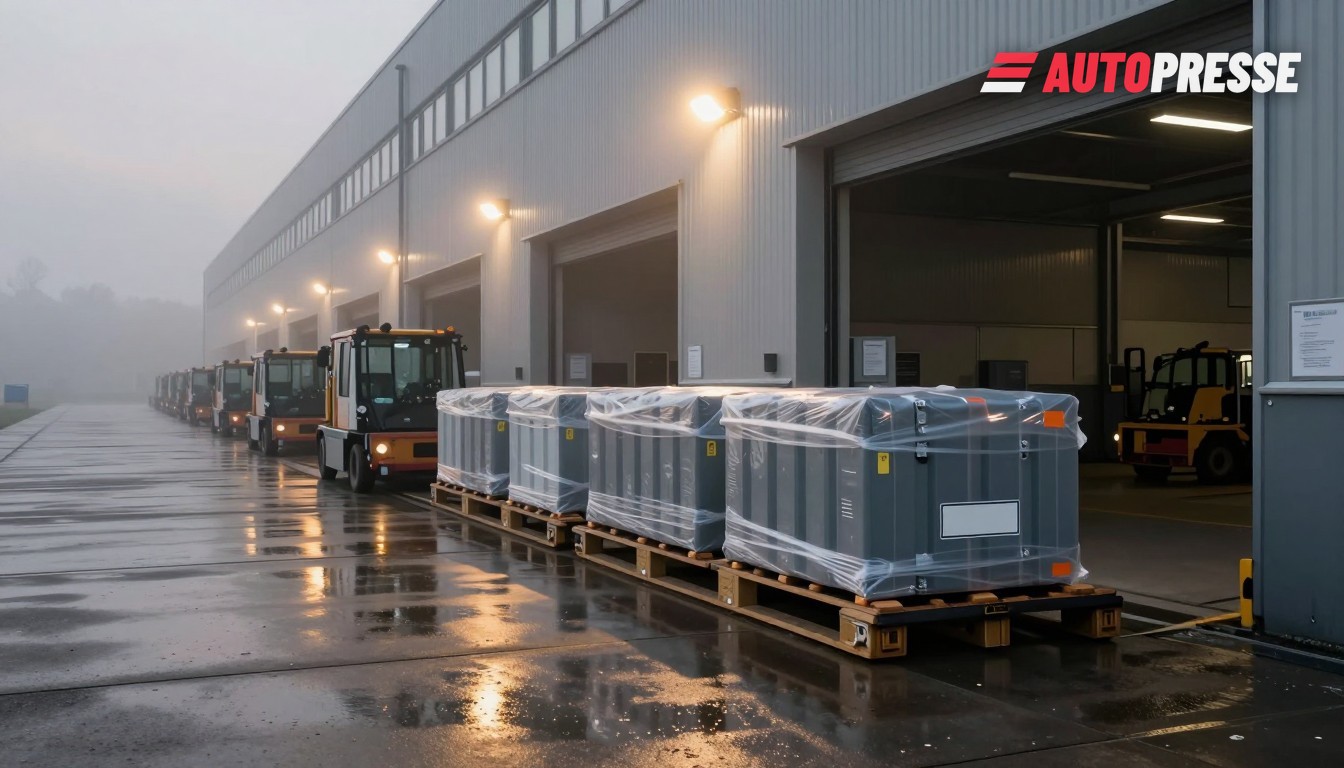
On October 1, 2026 BMW Group confirmed that series production had begun at its Plant Irlbach‑Straßkirchen, supplying high‑voltage batteries for the Neue Klasse programme. BMW said the plant moved immediately to two‑shift operation and represents an investment “of around one billion euros”, with the first batteries already destined for vehicles assembled in Munich. Production was described by BMW as “a strong signal for Germany as a business location”.
The new plant short‑circuits some supply risk by placing cell and pack output geographically closer to final assembly for BMW’s upcoming compact and midsize BEVs. That follows a broader European push: industry mapping shows dozens of cell projects across the continent, with Germany hosting multiple announced factories but still depending on sustained investment to reach projected gigawatt targets.
Austria’s rebound: registrations rise
Austrian statistics show a marked recovery in the domestic market: Statistics Austria reported that new passenger‑car registrations rose 12% in the first eight months of 2026, totalling 212,140 vehicles from January to August 2026. The increase highlights stronger dealer activity and a quicker replacement cycle in Austria compared with the previous year.
Meanwhile German production figures continue to fluctuate with model cycles: the VDA reported that 229,900 passenger cars were produced in Germany in August 2026, a reminder that output remains sensitive to plant ramps, model timing and the location of battery supply.
What this means for the market
For buyers and dealers: BMW’s local battery output should shorten supply chains for Neue Klasse models and reduce some delivery uncertainty — a potential selling point for German dealers and a spur for marketing BEV availability in 2027. For suppliers: the Bavarian cell plant increases demand for local module and thermal‑management suppliers while raising competitive pressure on firms that miss out on cell‑adjacent work. For employees and regions: the two‑shift ramp at Irlbach‑Straßkirchen signals immediate hiring and subcontractor activity in Straßkirchen and neighbouring supply towns.
Strategically, the combination of new local cell capacity and a recovering Austrian market underlines a practical industry pivot: manufacturers are balancing near‑market production with flexible sourcing across Europe to keep costs and lead times manageable as BEV volumes grow. The challenge for Germany and Austria will be to convert announcements into reliable long‑term capacity — and to align suppliers, skills and logistics to the tighter timelines the market now demands.
Electric vehicles listings on WorldTrader24 →
Sources: BMW Group press release (Oct 1, 2026); Statistics Austria (Sep 9, 2026); VDA production data (Sept 2026); Battery Atlas / Battery‑News (2026); Industriall‑Europe mapping report (Mar 2026).