Two decisions inside weeks have sharpened a central question for drivers, dealers and works councils across Germany and Austria: where will the next wave of automotive investment land, and at what cost to jobs and industrial strategy? Audi told US officials it will invest roughly $4 billion in a first American assembly site, and Volkswagen has cancelled its Wolfsburg “Gamechanger” manufacturing project while asking IG Metall for deep labour‑cost relief.
Audi’s Georgia pledge — the facts
Audi and the State of Georgia announced in late October that the company plans to build its first U.S. production facility, a project Audi says will create about 4,500 jobs with construction due to start in 2027 and initial production expected in the early 2030s. Audi’s corporate statement and the Georgia governor’s release put the headline investment at roughly $4 billion and state officials say the plant could be sized for annual volumes in the low‑hundreds of thousands once fully ramped.
The announcement triggered sharp reactions at home: IG Metall’s leadership called Audi CEO Gernot Döllner’s appearance at a U.S. campaign event “highly embarrassing” and underlined that any final decision requires approval by Volkswagen Group’s supervisory bodies — a reminder that plant and workforce implications in Germany remain live issues.
VW cancels 'Gamechanger' and presses unions
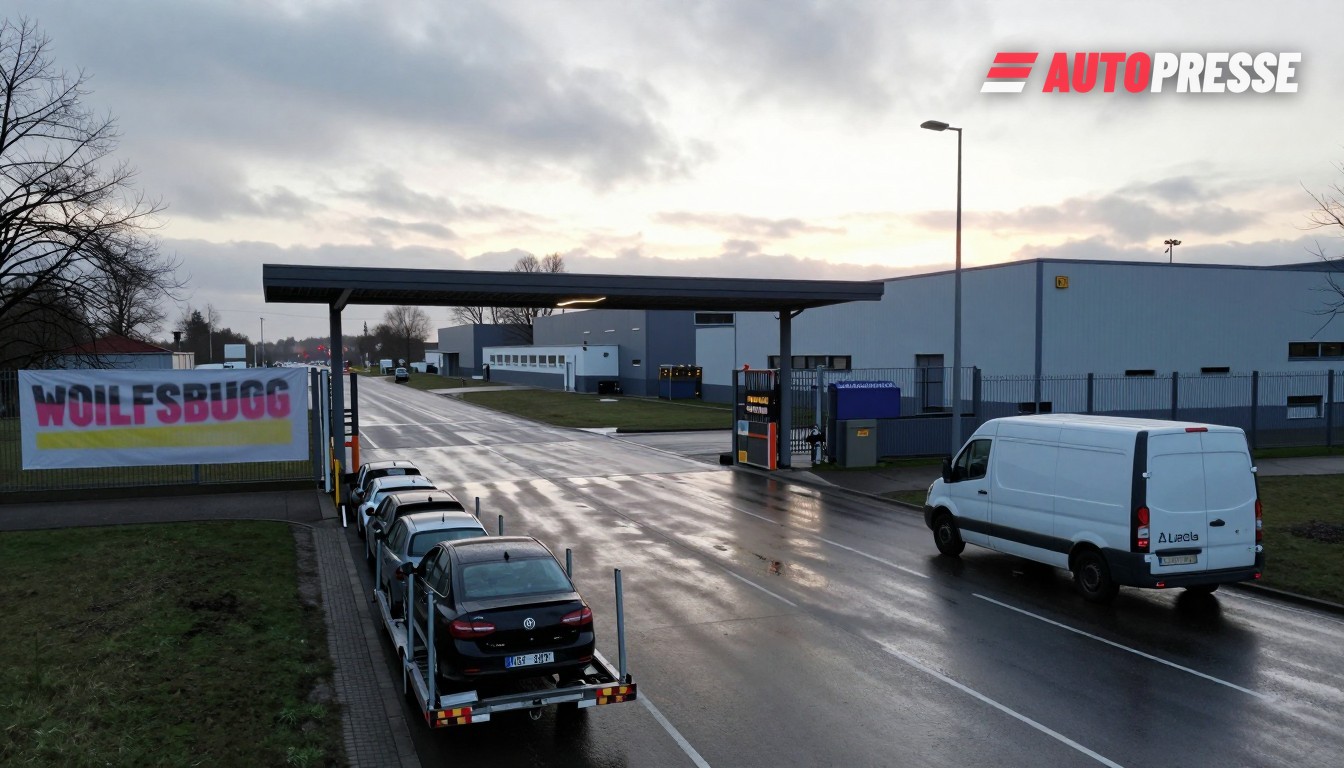
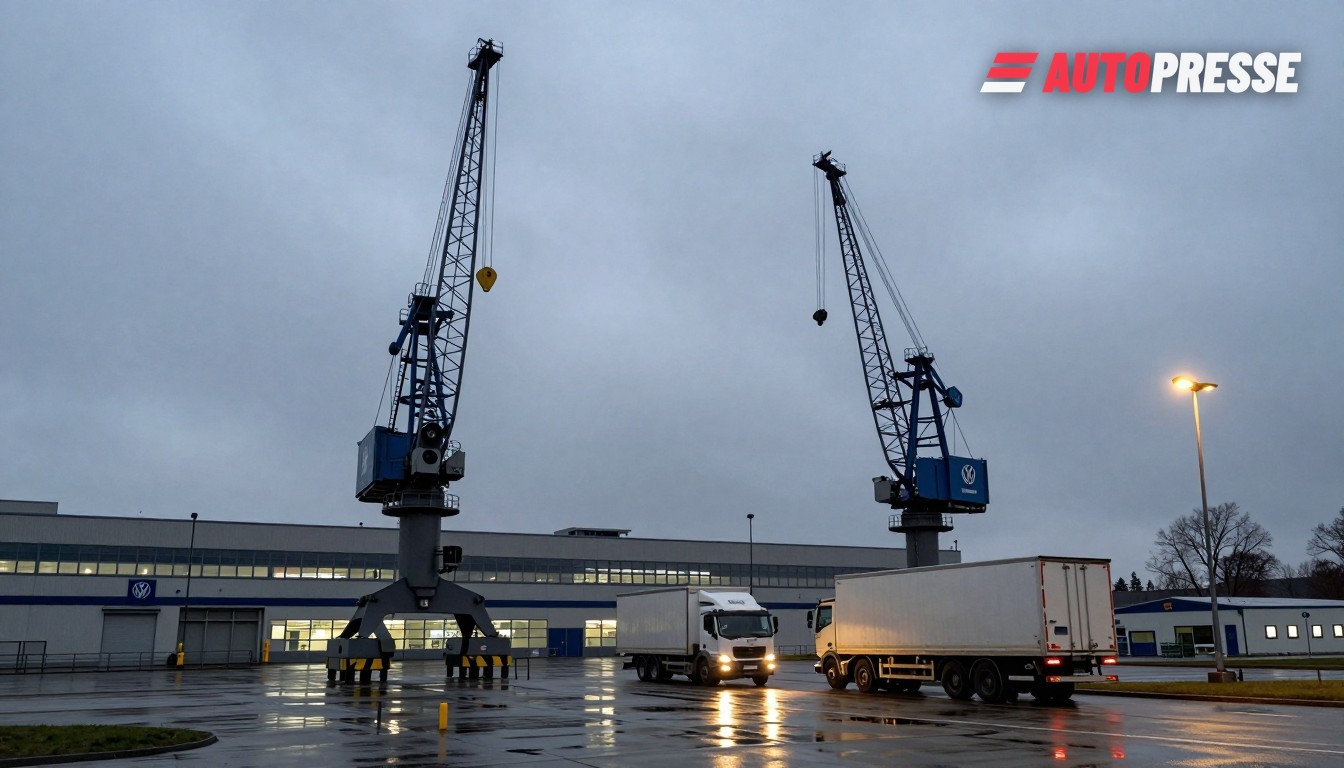
Volkswagen has confirmed it will abandon the planned ‘Gamechanger’ manufacturing concept and the associated mega‑casting centre at Wolfsburg, a project intended to lower unit costs for SSP‑platform EVs. Reporting cites group budget pressures and the fact that Audi’s announced U.S. investment was not fully accounted for in the group’s capital plan.
At the same time Volkswagen submitted a detailed set of collective‑bargaining demands to IG Metall on 19 November 2026: a proposed pay freeze for 2027–28, removal of certain special payments and more flexible weekly working time rules — measures the company frames as necessary to remain competitive amid tariff barriers, a shrinking Chinese market and heightened European rivalry. Volkswagen’s negotiators say the package must be part of a broader efficiency push under the Group’s Future Plan 2030.
What this means for the market
The immediate effect is greater strategic uncertainty for German and Austrian suppliers and plants. A major OEM moving large new capacity outside Europe raises the bar for governments and works councils to secure future investment; at the same time, cancelled factory modernisation projects reduce near‑term orders for tooling, casting and assembly suppliers. Businesses already face a tougher insolvency environment across Germany, which the federal economy ministry documents as elevated corporate distress in 2026 — a backdrop that weakens bargaining power on both sides.
For employees and buyers in Germany and Austria, the moves mean two parallel pressures: harder bargaining rounds at home (with concrete company demands on pay and working time) and the possibility that future model volumes — and the supplier work those volumes generate — will increasingly be split between Europe and overseas. Unions have signalled readiness to contest any concessions that threaten plant footprints; companies are arguing short‑term concessions are needed to fund long‑term competitiveness.
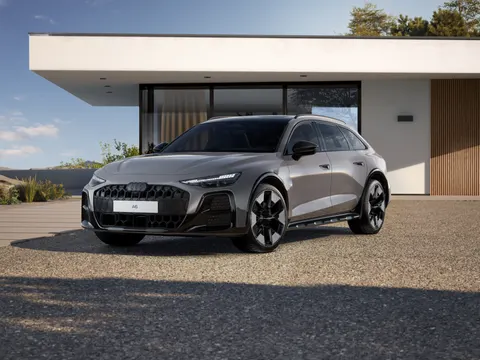
Audi models and listings on WorldTrader24 →
Sources: Volkswagen Group, electrive.com, Audi AG, IG Metall, Bundesministerium für Wirtschaft