Austria’s voestalpine is moving from words to metal: the group has largely completed installation of a new electric‑arc furnace (EAF) at its Donawitz steelworks and is pressing ahead with Hy4Smelt, a €170 million pilot to cut process emissions. That technical and organisational shift — plus a programme of site consolidations and workforce changes in 2024–26 — is already reshaping the upstream supply chain for carmakers and suppliers in both Austria and Germany. For drivers, dealers and OEM purchasing teams the result will be cleaner CO2 accounting for vehicle steel and a tighter, more regionalised market for specialised automotive grades.
Green steel at Donawitz: what’s changing
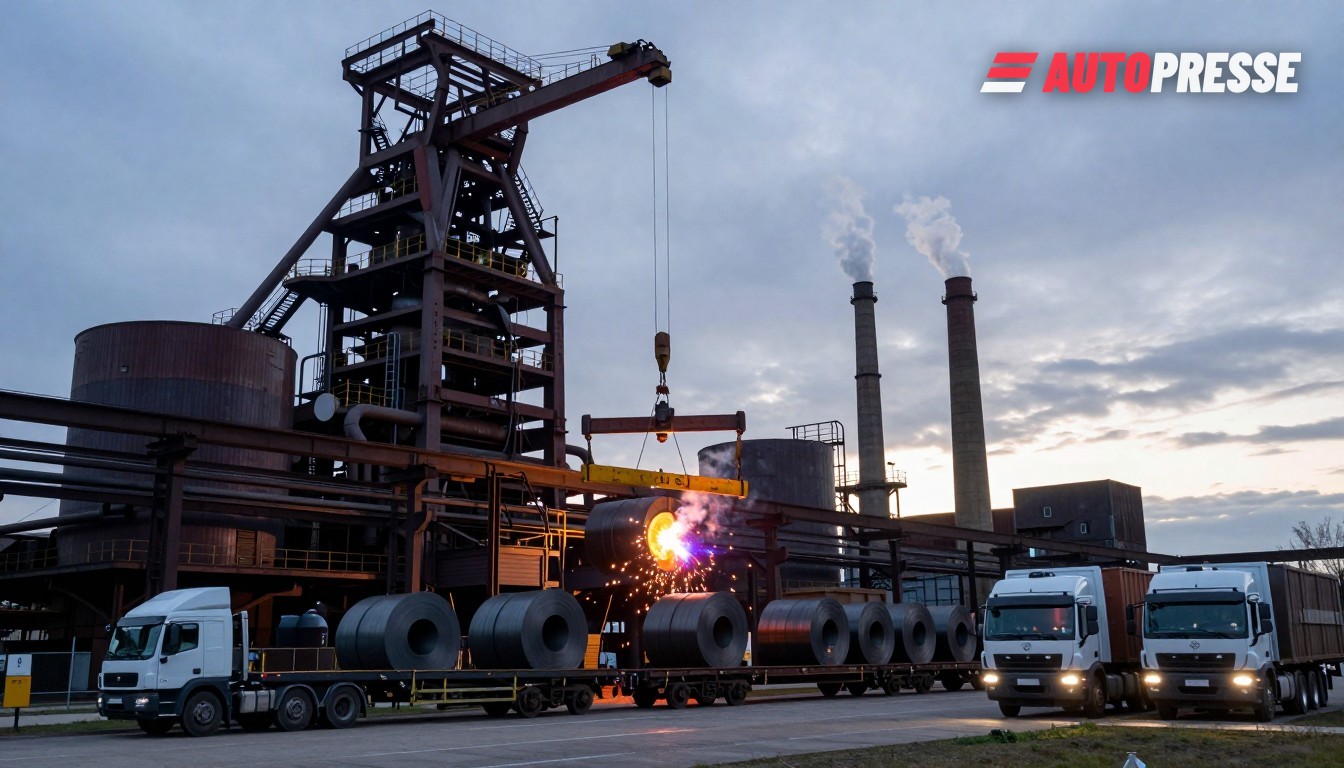
voestalpine says the main assembly work for the new EAF at Donawitz is essentially complete and that the project remains on schedule for first melts in the first half of 2027. The company frames the EAF and related measures as part of a wider environmental modernisation that includes hydrogen research and pilots.
The group’s 2025/26 annual report confirms the Hy4Smelt demonstration project — a climate‑protection research plant voestalpine runs with partners — and cites projected total costs of around €170 million. The report also says core EAF equipment delivery and commissioning are planned through 2026 into early 2027.
At the same time voestalpine has continued a strategic restructuring of its Automotive Components businesses: the company reports plant consolidations, selective capacity adjustments and disposals in 2025–26 as it aligns production with changed market demand. Management documents presented at the group’s 2026 capital‑markets updates note a reduction in staff levels in some units as part of that realignment.
What this means for the market
First, for OEMs and tier‑one suppliers the EAF and Hy4Smelt offer a pathway to lower Scope‑3 emissions for car bodies and structural parts: replacing blast‑furnace steel with EAF‑based products and integrating green‑hydrogen processes reduces cradle‑to‑gate CO2 intensity that automakers must report under EU carbon rules. voestalpine markets these changes to customers in the automotive sector as a competitive advantage.
Second, the regional supply map will tighten. voestalpine’s consolidation of Automotive Components and the Donawitz modernisation concentrate specialised grades and technical know‑how in fewer plants; that helps OEMs sourcing in Austria and southern Germany but raises exposure for German suppliers that relied on a broader, lower‑cost European supply base. Buyers should expect firmer negotiating leverage for near‑term contracts and a greater price premium for certified "green‑steel" batches.
Third, labour and investment shifts matter locally. The company’s restructuring measures — which the group described as part of securing the Metal Forming business — reduced headcount in parts of the business between 2024 and 2026 and will continue to affect subcontractors and logistics providers across Austria and neighbouring German regions. That creates short‑term social and supply risks even as it aims to stabilise the long‑term supplier base.
For Austrian policy‑makers and regional OEMs the message is clear: investments in green‑steel capacity increase local value added and lower reported vehicle CO2 — but they require coordinated support on energy, hydrogen and reskilling to prevent spill‑outs of jobs and dependences to other markets.
WorldTrader24 B2B-Fahrzeugmarkt für Händler →
Sources: voestalpine (annual report & press releases), Mesteel.