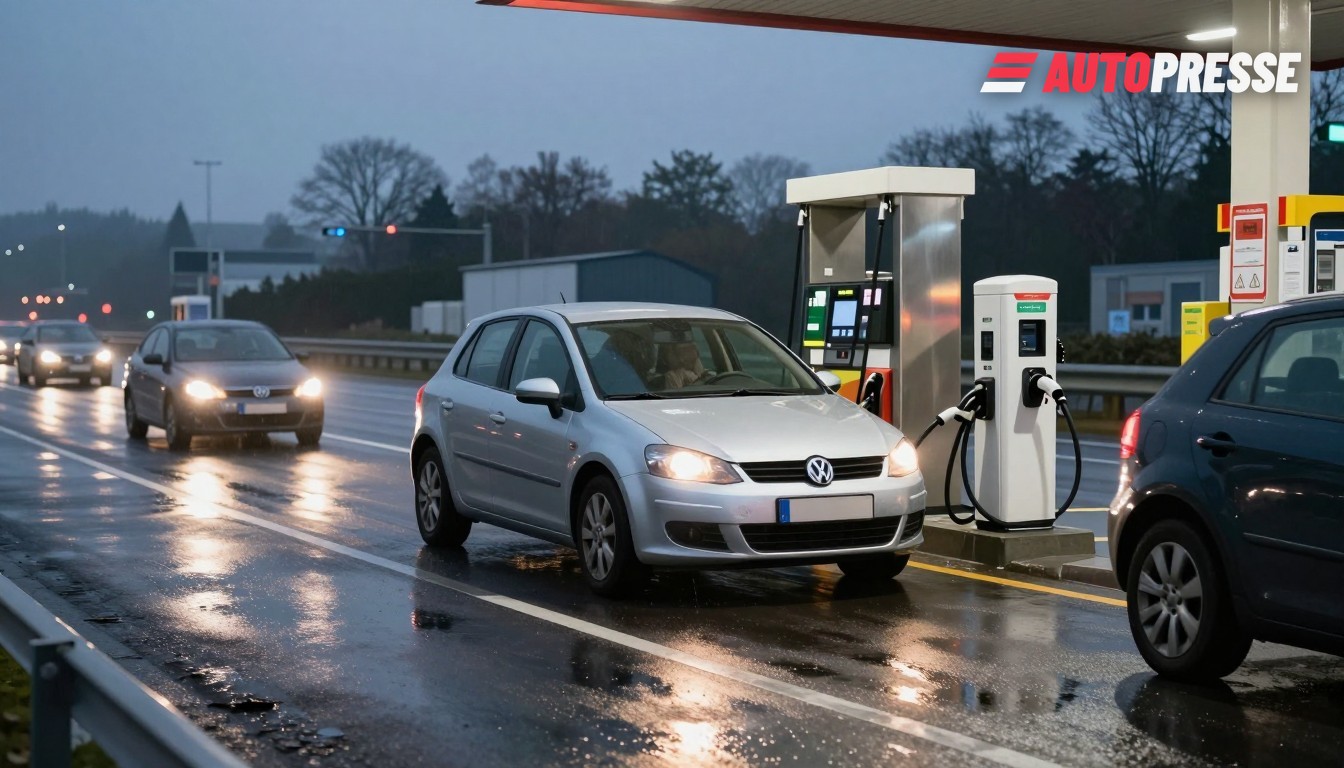
When Germans and Austrians type "auto verkaufszahlen" into Google they are usually hunting for monthly registration numbers — the hard facts buyers, dealers and fleet managers use to set prices, order cars and plan forecourts. In Austria the newest official figures show battery‑electric vehicles (BEVs) accounted for 34.9% of new passenger‑car registrations in October 2026 and pushed year‑to‑date growth: 265,282 cars were newly registered from January to October, a 10.7% rise over 2025, with BEVs up 39.5% in the same period.
October snapshot: electrics lead the headlines
Statistics Austria reports 8,434 BEV passenger cars newly registered in October 2026 — an increase of 63.3% year‑on‑year — while petrol and diesel cars together lagged behind by 2,494 units that month. Overall October registrations in Austria fell slightly (24,174; −1.2% vs. October 2025) even as electrified powertrains reached almost half of all new cars when plug‑in hybrids are included. The Austrian Mobility Ministry highlighted the figures as an "E‑car record" on 10 November.
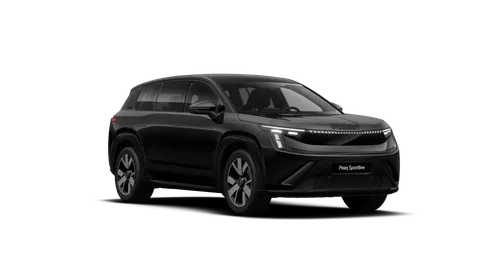
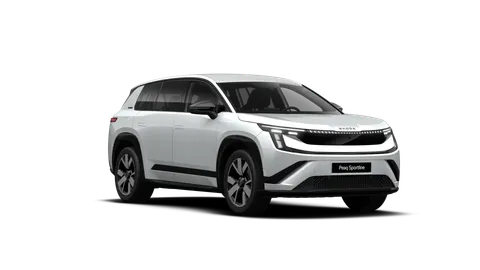
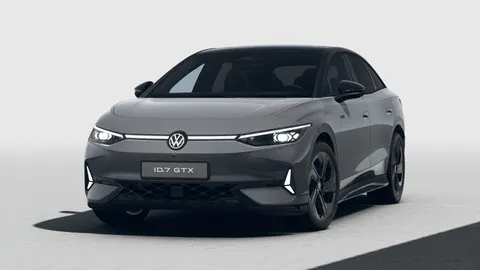
Across the border, Germany’s October data show the same structural shift: battery‑electric cars made up roughly 37% of new registrations in October 2026 (KBA data reported by German trade press), with private demand rising sharply and conventional petrol and diesel volumes continuing to decline. Model rankings differ by market — Germany’s most‑registered BEVs in October included the VW ID.7 and Skoda Elroq — but the trend is clear in both countries.
Why these car sales figures matter now
For consumers the numbers explain availability and price pressure: rising BEV demand is shortening delivery times for popular electric models and widening choice, but it also accelerates the fall in demand for certain combustion models — important when negotiating trade‑in values. Dealers and remarketing teams must now manage higher volumes of returning lease BEVs and adapt forecourt stock toward electrified models; fleet buyers face faster depreciation for conventional cars. The Austrian data show that, for manufacturers and importers, a successful BEV line‑up is already critical to maintaining market share.
What this means for the market
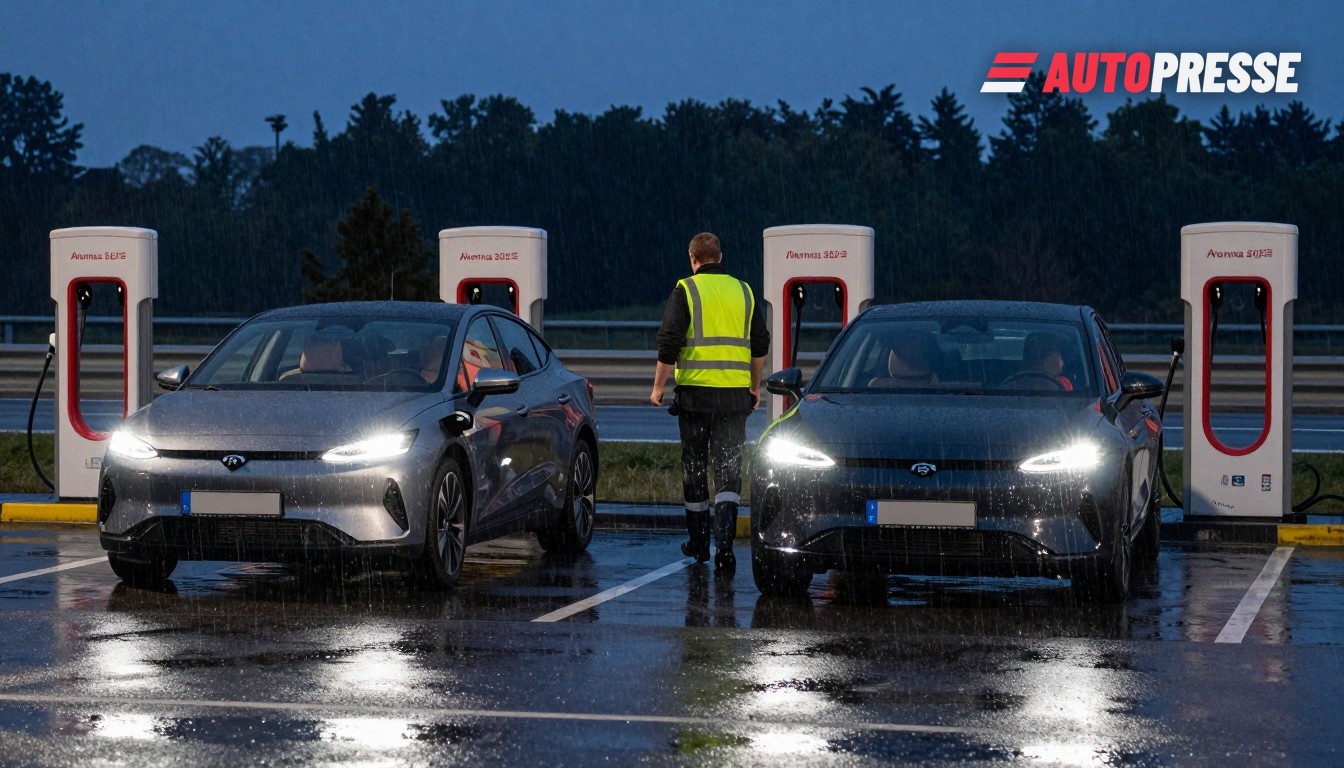
Short term: expect stronger demand for charging‑capable used cars, continued price competition among BEV makers and more aggressive marketing for plug‑in hybrids as a transitional product. Medium term: dealers will reconfigure stock and service offers around batteries and charging; regions with faster charger rollout (upper Austria, parts of Germany) will see quicker adoption. Policymakers should note that incentives and infrastructure both remain decisive in buyers’ choices — Austria’s ministry pointed to eMOVE and charging expansion as drivers of the shift.
VW electric models on WorldTrader24 →
Sources: Statistik Austria, Austrian Federal Ministry (bmimi.gv.at), electrive.net, Motor1