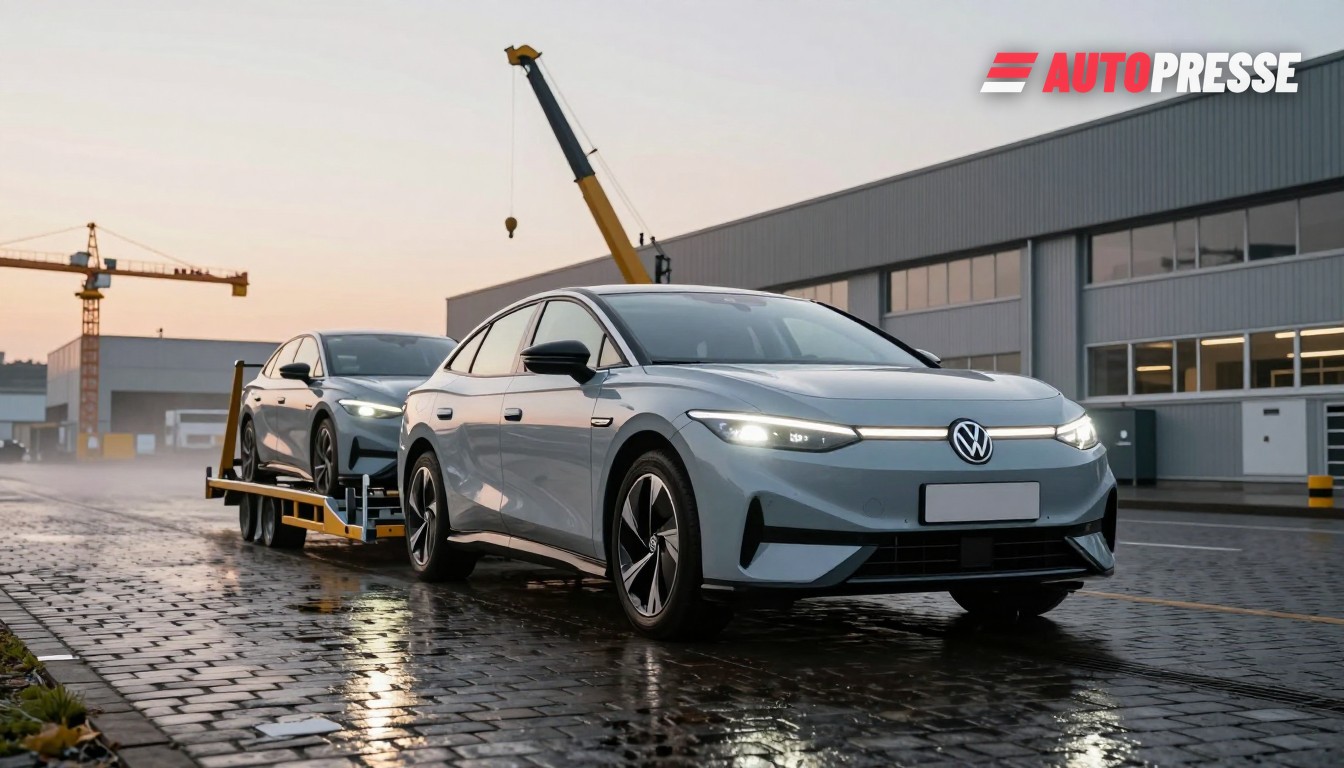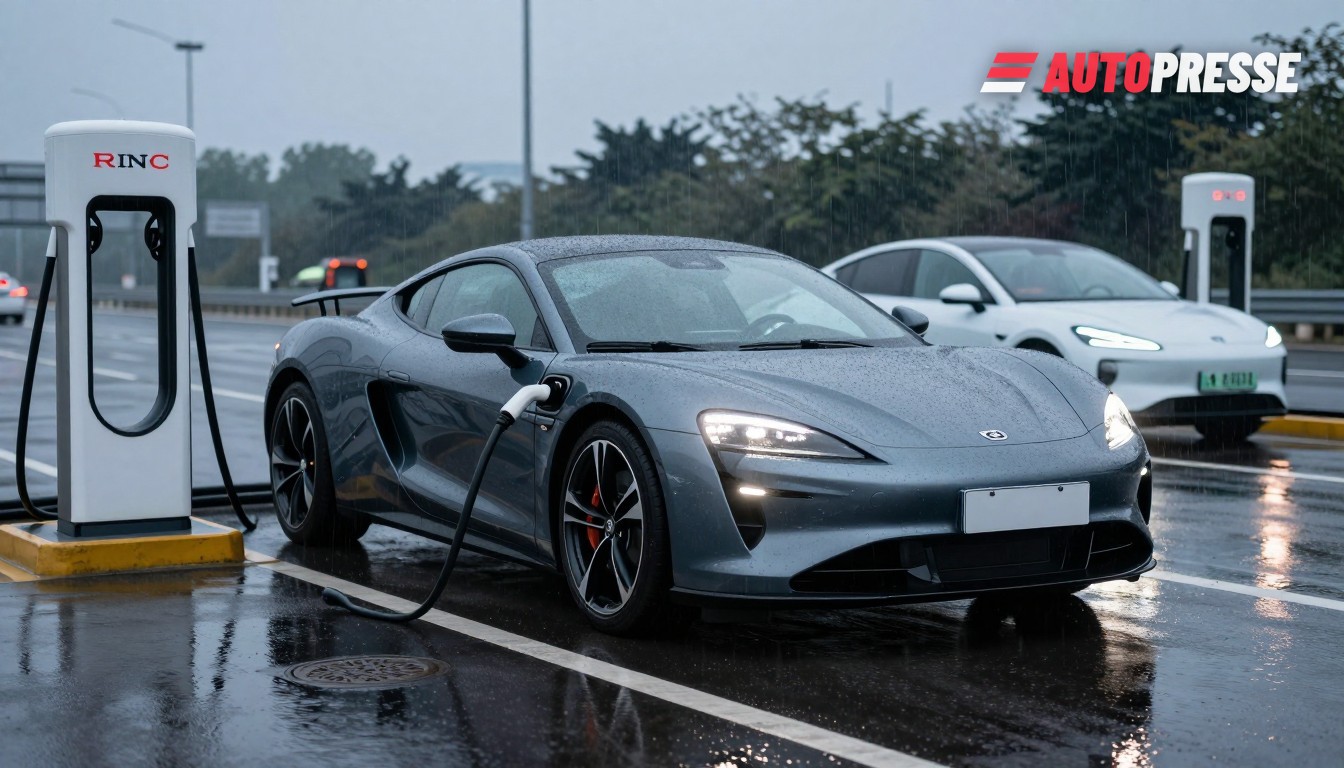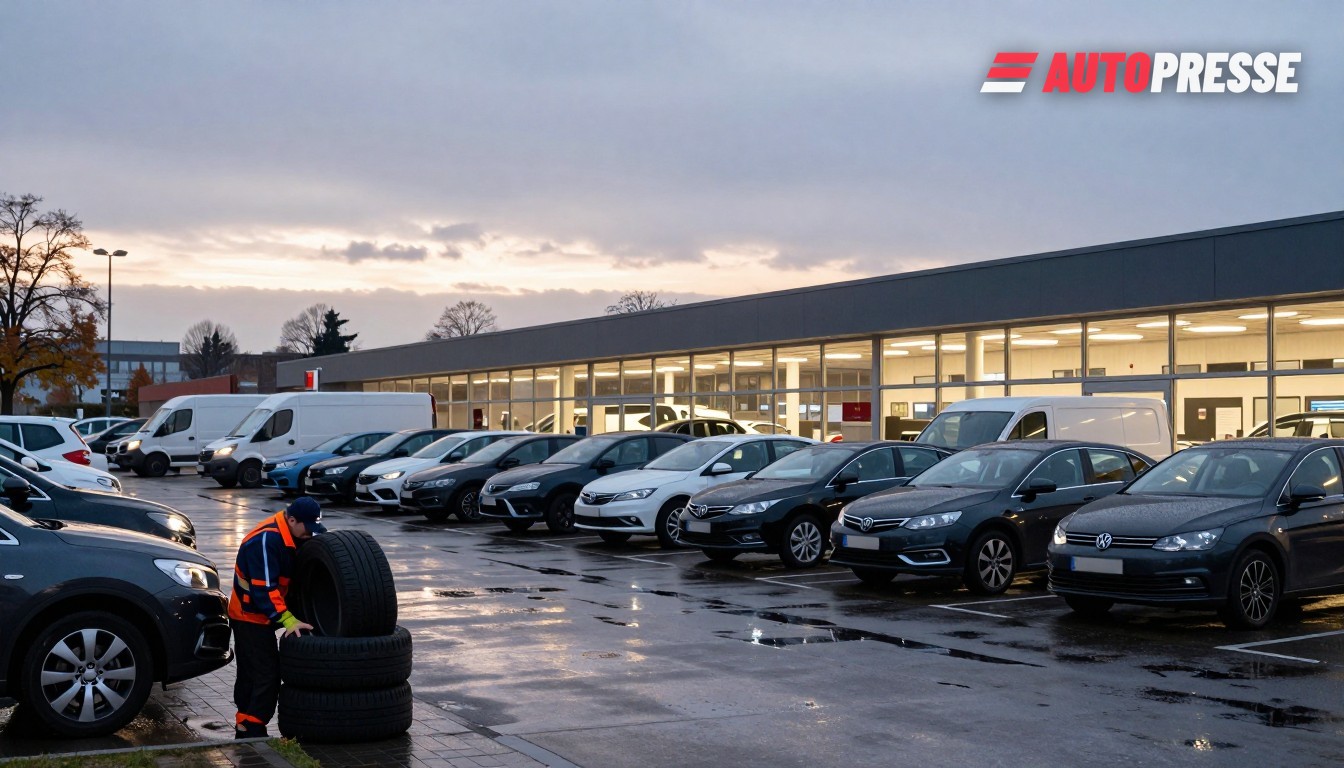
Germany’s dealer landscape is tightening while Austria’s new‑car market keeps growing — and each trend carries different consequences for buyers, technicians and local dealer networks. In Vienna, official data show stronger overall registrations through October; in Germany, insolvency filings and takeover talks underline mounting pressure on multi‑brand retailers and workshops.
Austria: registrations keep rising
Statistics Austria reports that 265,282 passenger cars were newly registered in Austria from January to October 2026 — an increase of 10.7% (25,688 cars) versus the same period in 2025. The agency notes that alternative‑drive vehicles now make up a much larger share of the market and that the overall motor‑vehicle registrations (including light commercial vehicles) rose by the same 10.7% to 360,633 units in that period. VW, Škoda, BMW, Audi, Seat and Mercedes were the top makes by registrations between January and October 2026. These figures show a healthy retail rhythm in Austria even as individual months fluctuate.
Germany: dealer failures, takeovers and a softer used market
In Germany insolvency trackers record elevated distress in the motor‑vehicle sector. Deal One’s sector overview lists 235 insolvency proceedings in the automotive & two‑wheelers segment between 8 December 2025 and 13 November 2026, affecting an estimated 1,551 employees in the recorded cases and spanning everything from multi‑brand dealerships to independent workshops. Car dealerships themselves account for 107 of those proceedings (45.5%), while workshops make up another 67 cases (28.5%).
A high‑profile example is Autohaus Gotthard König: the Berlin‑based group (around 82 locations, roughly 1,200 staff) entered insolvency proceedings and drew three bidders for parts or all of the network. The administrator says sales and workshop operations continue while offers are evaluated — a reminder that large dealer groups are being restructured or sold rather than simply folded. The König case highlights how fast expansion, tight liquidity and the shift in brand mixes (including new Chinese marques) can expose groups to solvency risks.
At the same time the used‑car market in Germany shows signs of easing. AutoScout24’s Gebrauchtwagen‑Preis‑Index (AGPI) for October 2026 puts the average listed used‑car price in Germany at €26,728, down 0.56% month‑on‑month and marking a decline from the spring peak (February 2026: €27,942). The AGPI also records falling demand metrics in several age segments and fewer listings in higher‑value classes, while used electric vehicles registered a notable uptick in average price and a tighter supply balance. These moves compress margins for dealers sitting on older stock and increase financing costs for groups carrying large inventories.
What this means for the market
Buyers: Austria’s momentum keeps choice high and manufacturer competition intense; German buyers may find better deals on used stock as average prices drift down. Dealers: expect more consolidation, portfolio pruning and targeted M&A — large buyers (institutional dealer groups) will continue to cherry‑pick cash‑generating locations and manufacturer contracts. Workshops and service departments become a critical revenue anchor: insolvency data show many failures among sales‑focused groups, while the service business is comparatively resilient but also impacted. Policymakers and manufacturers: clearer transition support (credit lines, targeted training, incentives for digital sales and workshop modernisation) will make restructurings less disruptive.
Skoda models on WorldTrader24 →
Sources: Statistics Austria, Deal One, AutoScout24, Unser‑Handel