Germany’s new‑car market is showing two clear, linked trends that matter to drivers, dealers and suppliers: non‑European brands — led by Chinese marques — are taking a measurable share of registrations, while electrified vehicles remain unevenly distributed across the country. The shifts are already changing dealer stock planning, import flows and used‑car pipelines.
Chinese makes gain foothold — and alter the model mix
Data compiled from Kraftfahrt‑Bundesamt tables and analysed by China Car Index show 16,015 new cars from Chinese brands were registered in Germany in October 2026 — about 6.3% of that month’s market — with BYD alone at 5,173 units. China‑origin entries are disproportionately battery‑electric: China Car Index reports roughly 62.5% of those Chinese‑brand registrations were BEV in October. These volumes concentrate demand for a short list of models and force traditional dealers to adjust incoming‑stock and pre‑delivery inspection capacity.
At the same time, Germany’s longstanding brand leaders remain large by absolute volume: Volkswagen led the October 2026 rankings with 46,331 registrations, followed by Mercedes‑Benz (26,273) and BMW (23,582). That mix — big domestic volumes alongside fast‑growing import brands — is driving sharper segmentation inside dealer networks: some sites see order books dominated by local‑group volume models, others by high‑interest Chinese BEVs.
Regional BEV gaps complicate planning
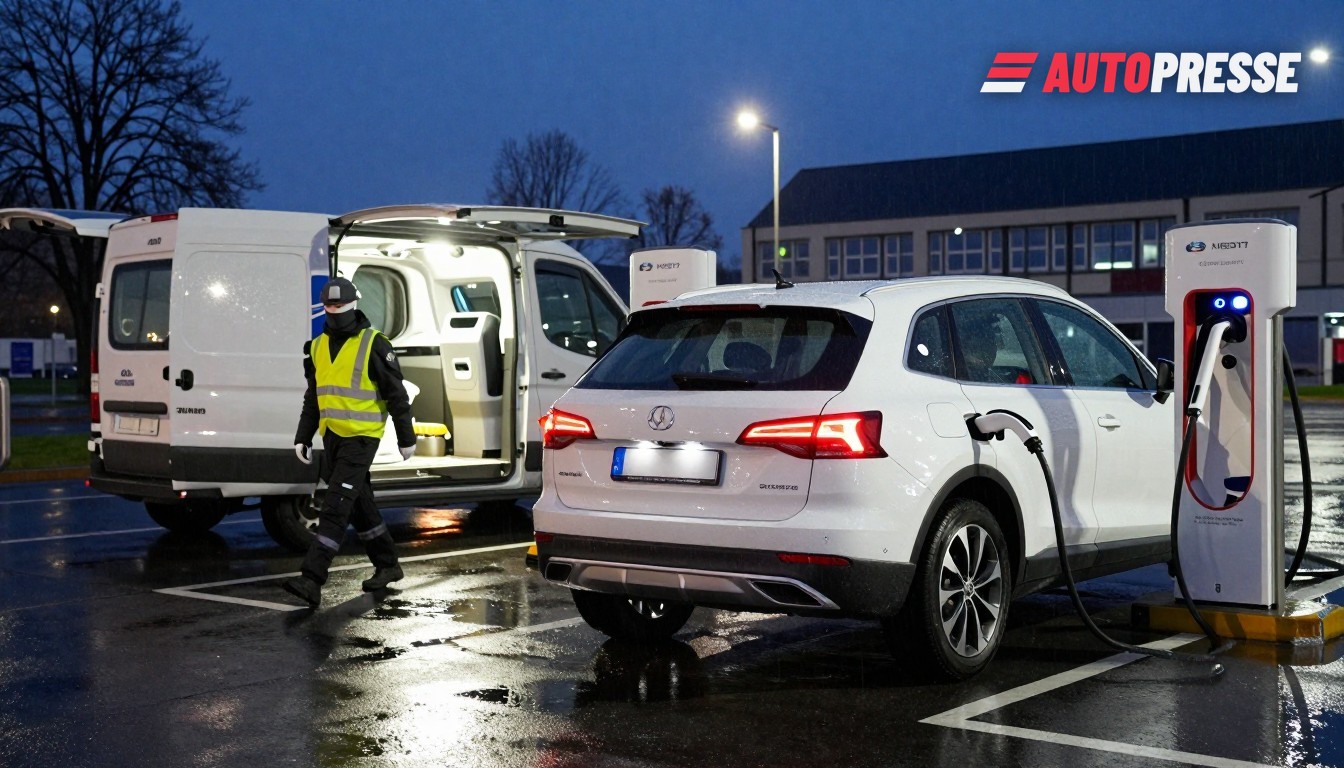
Official registration data produce a strong picture of regional divergence. KBA‑based compilations show the BEV share of new registrations in October 2026 ranged from roughly 44% in the strongest state to about 21% in the weakest — a near‑twofold gap between high‑adoption and low‑adoption Bundesländer. That uneven map affects where dealers can realistically stock BEV‑heavy line‑ups, where fast‑charging demand will concentrate and where workshops must scale battery‑service skills first.
What this means for the market
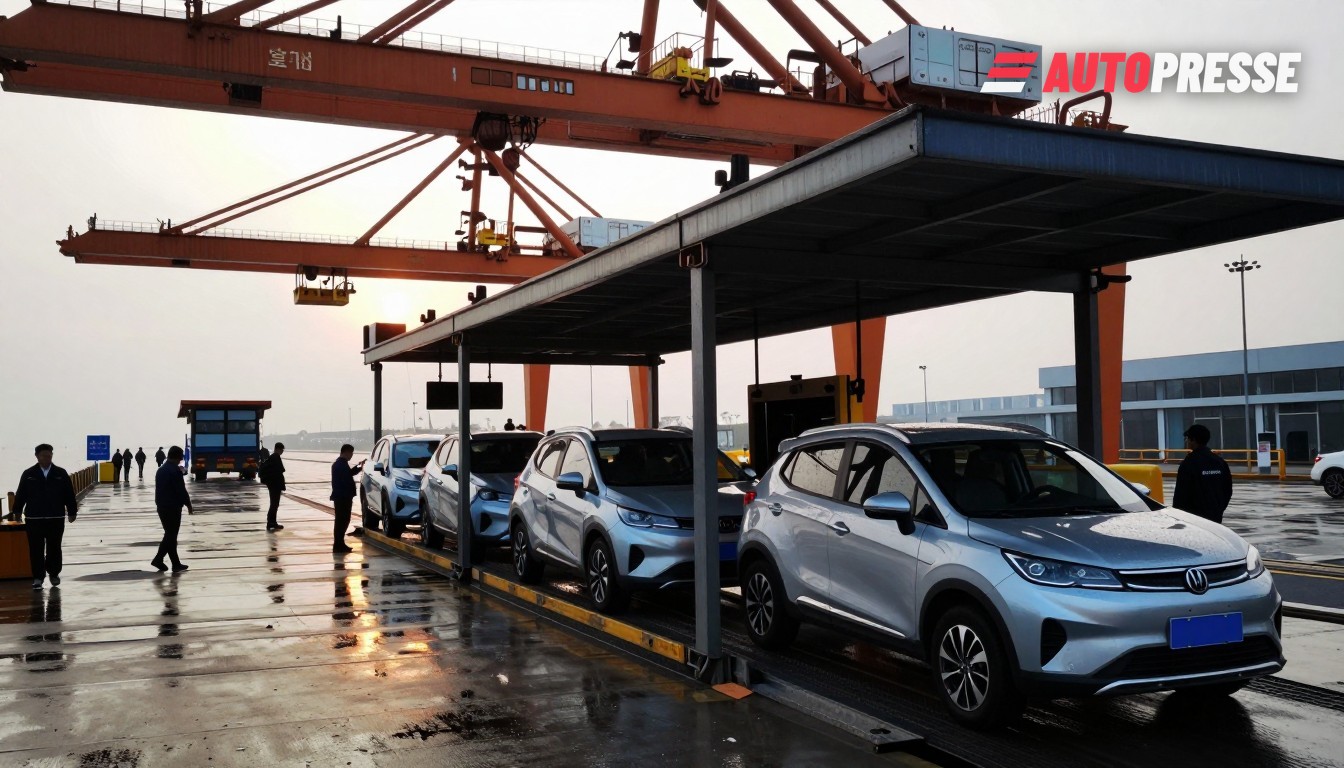
1) Dealer networks will segment: multi‑brand, metro dealers must adapt to a mix of high‑volume legacy models and smaller but fast‑selling Chinese BEVs; rural dealers will face slower EV turnover and different used‑car inflows. 2) Logistics and ports will keep shifting: concentrated imports of specific models favour roll‑on/roll‑off and short‑term storage near major hubs. 3) After‑sales and training are now location‑sensitive: regions with low BEV share still need future‑proofed service capacity, but investment timing should follow measured local uptake. 4) Residual‑value management becomes more complex: higher new‑car supply from imports plus regional BEV adoption differences will widen price dispersion in the used market.
For fleet buyers and corporates this means closer attention to local charging access and resale channels; for suppliers it means tailoring spare‑parts and battery‑servicing resources to where BEV density is actually growing, not just to national averages.
Electric vehicle listings on WorldTrader24 →
Sources: China Car Index, FahrzeugStatistik (KBA data), AutomobilBusiness (KBA compilations).