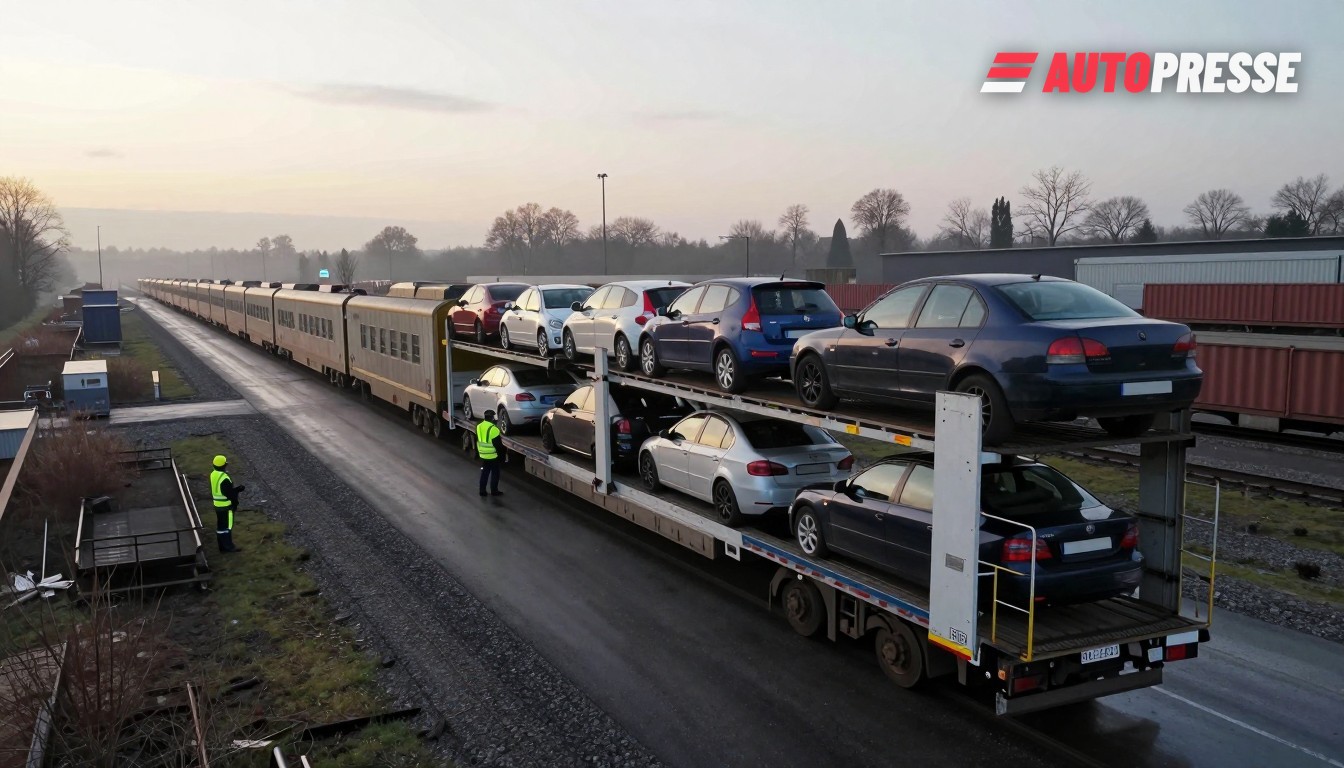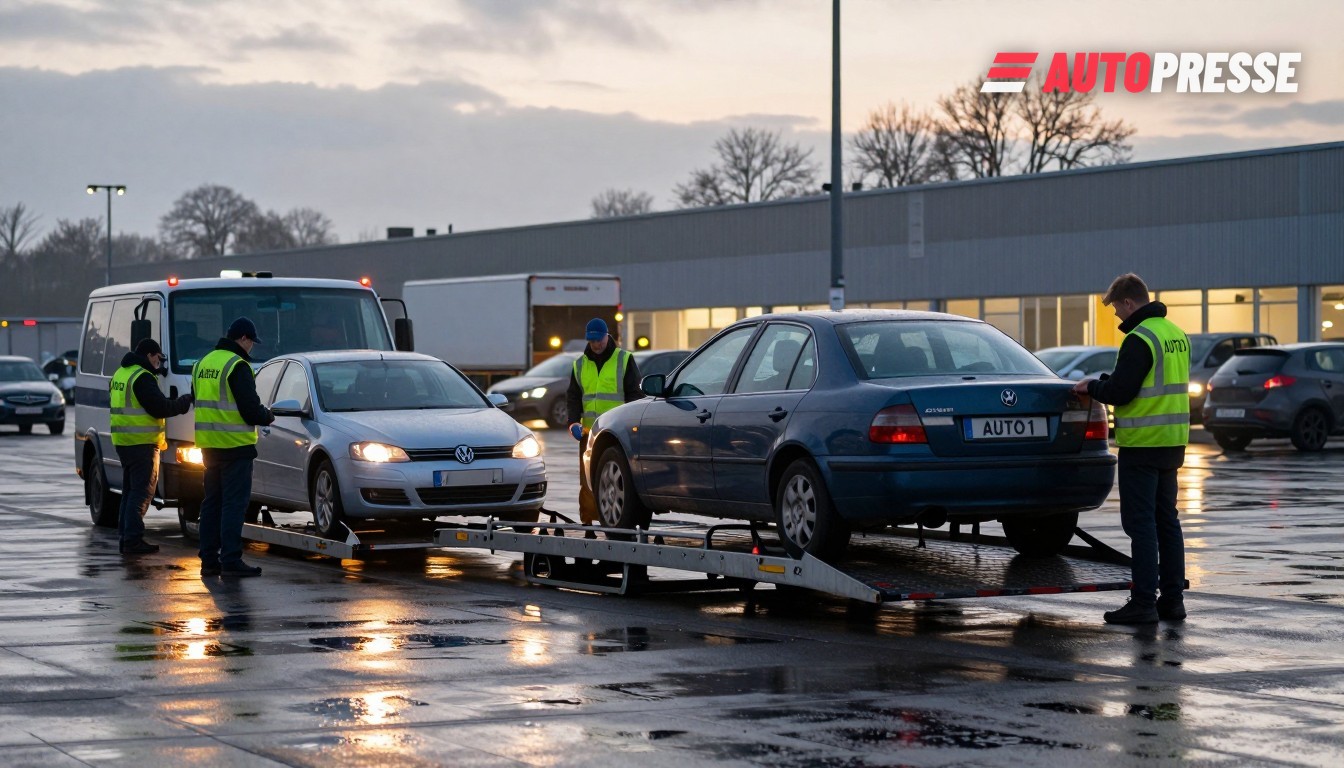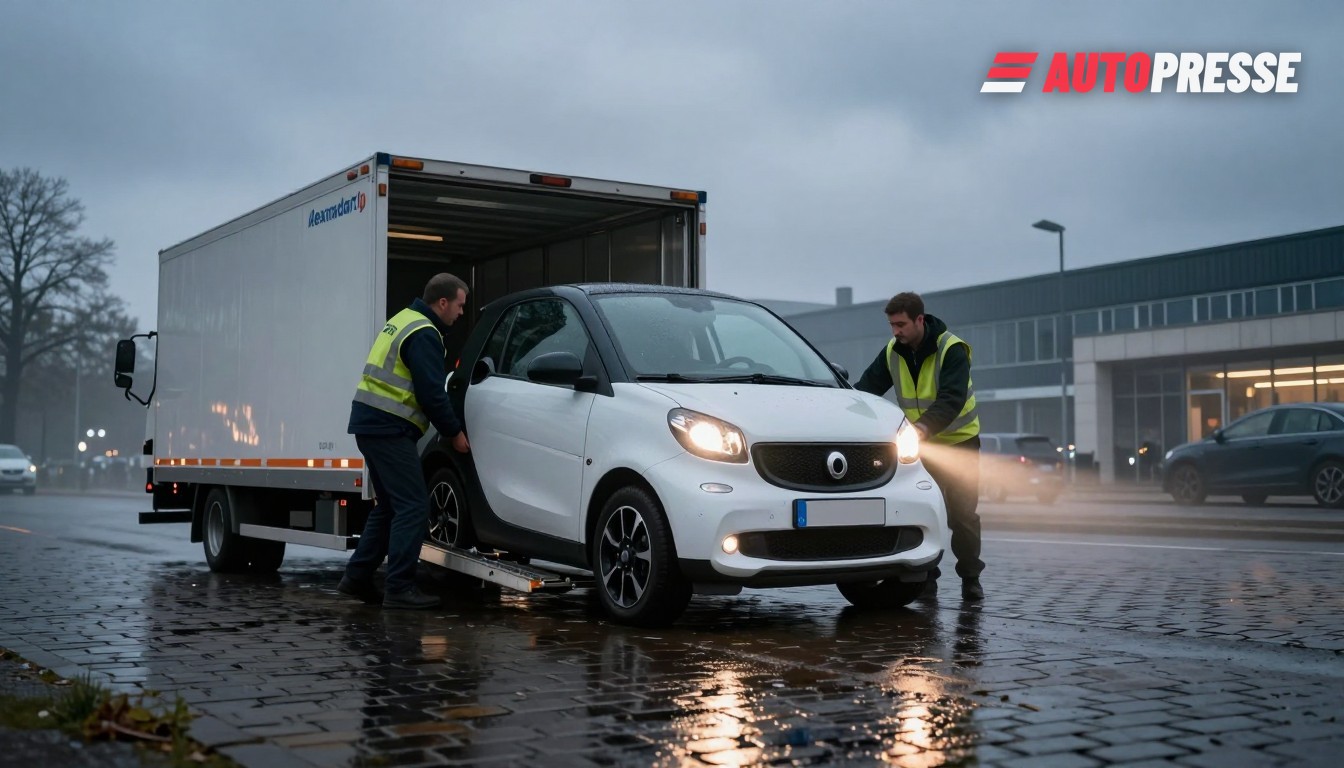
Germany and Austria are seeing a new phase in the vehicle market: a surge in leasing returns that is already depressing residual values and reshaping remarketing strategies. For dealers, leasing companies and fleet managers the question is no longer if a tidal wave of young used EVs will arrive — it is how fast the market can absorb them without further price erosion.
Lease returns and the numbers
A VMF/Deloitte study described by trade press finds the number of up-to‑five‑year used battery EVs in Germany rose from about 334,000 in 2023 to roughly 722,000 in 2025 — a doubling in two years that the authors say is driven by the leasing boom of 2023–24. The same analysis links this return wave directly to weaker residual values and higher future leasing rates.
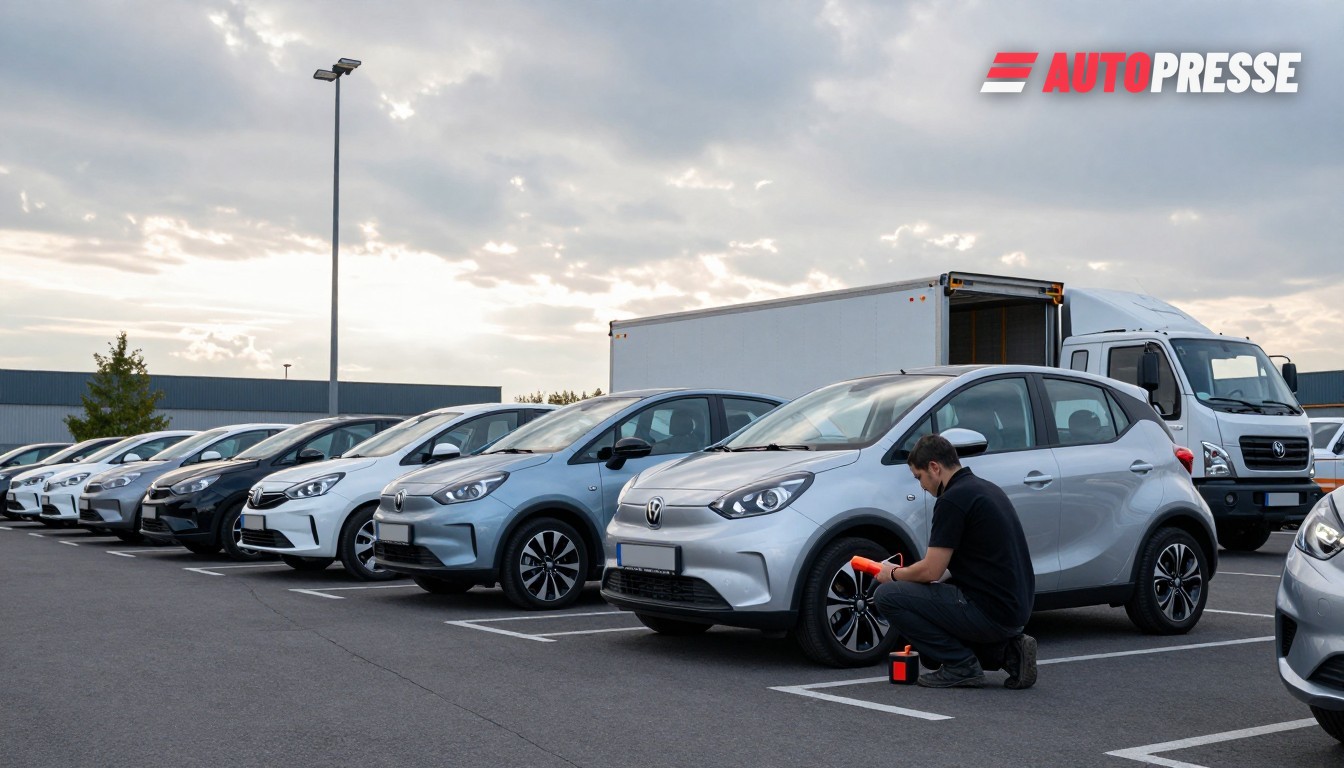
At the same time, fleet and remarketing players report better‑than‑feared battery health in many lease returns: Ayvens said tests on nearly 7,300 ex‑lease EVs showed an average State‑of‑Health (SoH) of 95.5% at about 55,000 km, a data point dealers can use when re‑selling cars but one that does not erase broader market price pressure.
Austria and used‑car prices
The new‑car market in Austria remains dynamic: Statistik Austria reported 265,282 new passenger‑car registrations from January to October 2026, up 10.7% year‑on‑year, with alternative‑powertrain vehicles making up two‑thirds of new registrations in that period. While Austria’s new registrations climbed, used‑car price indices show mixed trends — AutoScout24’s Austrian index reported an average used‑car price of €29,613 in March 2026 and noted wide variation by segment. Those dynamics mean Austria will absorb some returning lease vehicles but price sensitivity in smaller segments remains acute.
Dealer and remarketing services are adapting: TÜV SÜD and other inspection and certification services have introduced dedicated processes for lease returns, including battery checks and tailored de‑fleet services, to speed re‑entry into the retail channel and build buyer trust.
What this means for the market
The immediate effect is on residual‑value calculus and leasing rates. The VMF/Deloitte analysis warns that uncertain BEV residuals feed directly into higher risk add‑ons in lease pricing — pushing monthly rates up for new contracts unless remarketing improves. That matters for private and corporate demand: a DAT survey cited in the same reporting found 72% of prospective buyers still doubt EV resale values, a sentiment that exacerbates the cycle.
Practically, dealers and lessors should prioritise battery certification, targeted marketing of certified ex‑lease EVs, and staged release of large lots to avoid gluts. Remarketing platforms, certified SoH testing (now common among big lessors), and better data‑driven forecasting will be the decisive tools to stabilise prices. Austria’s relatively high share of alternative‑drive new cars (67.6% Jan–Oct 2026) means the country will be an important secondary market for German lease returns — but it will not be immune to downward pressure in oversupplied segments.
Sources: VMF/Deloitte (via firmenauto), Ayvens, Statistik Austria, AutoScout24, TÜV SÜD