Germany and Austria’s supplier landscape is shifting not only around batteries and steel but in software: autonomous, multi‑agent AI systems are moving from trials into live use at dealers, workshops and supplier service teams — a change that matters for drivers, buyers, dealers and workshop staff who will see faster bookings, automated market scans and AI‑generated marketing assets.
What happened — who’s rolling out what
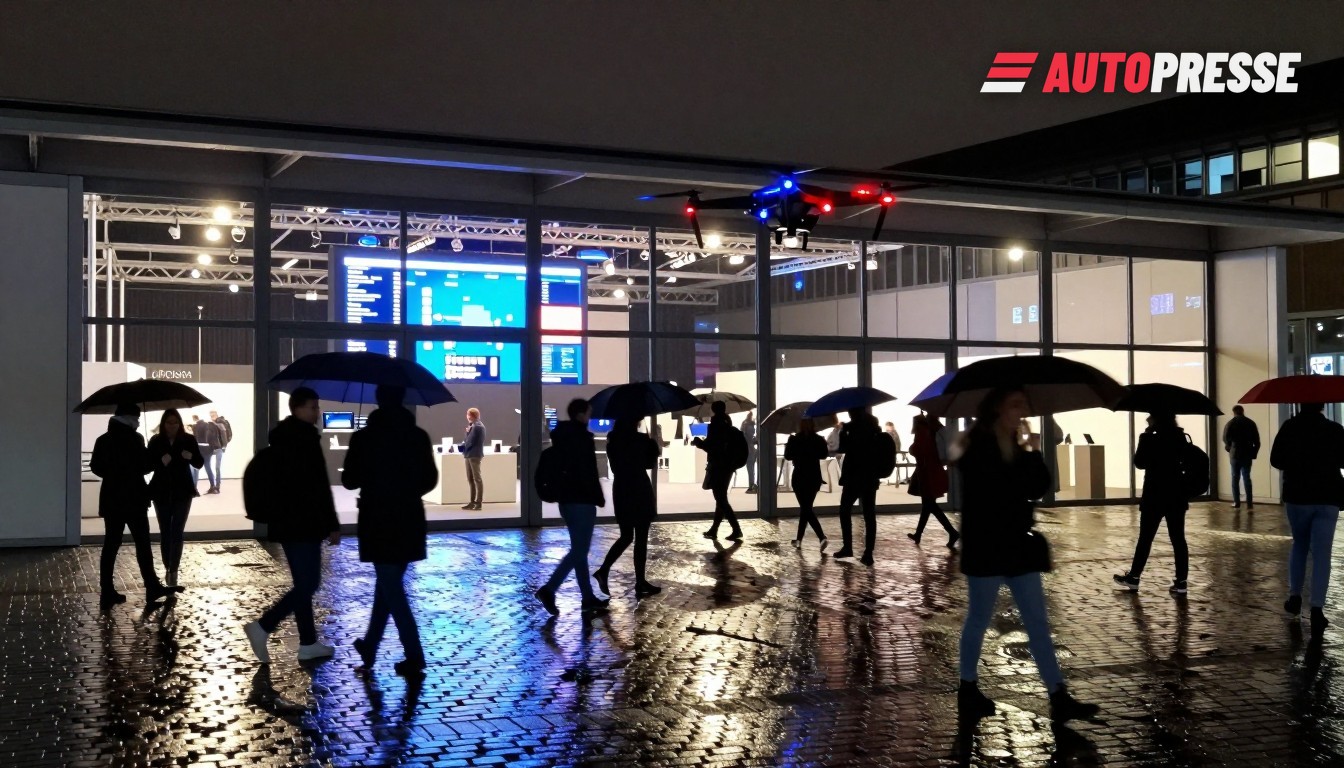
At the AUTOHAUS KI Convention in Mainz on 4–5 November 2026, vendors and dealer groups showed practical deployments rather than lab demos — and industry reporting found that agentic systems that “call customers, qualify requests and write appointments straight into dealer systems” are entering production across Germany and Austria.
One vendor already prominent in dealer conversations is DaVinci AI (davinci‑ai.ai). The company’s public materials (a July 5, 2026 post) describe its vision as “An AI Team That Never Sleeps” and list core capabilities that dealers value: market scanning, AI phone/voice agents for booking and qualification, dealer‑stock analytics, and fast image/video generation for marketing. AutoPresse reporting in November 2026 documents growing use of those services in Germany and Austria and flags both operational wins and the need for careful integration.
Industry group and aftermarket pilots are already turning into commercial contracts: trade press and dealer associations reported practical rollouts in workshops and retail operations in October–November 2026, with vendors integrating agents into CRM/DMS workflows to close the long‑standing inbox‑to‑CRM gap.
How suppliers use agentic AI
Suppliers and contract manufacturers are buying or partnering for three clear use cases. First, sales and remarketing: AI market scans and auto‑generated imagery speed price discovery and listings. Second, after‑sales and workshop intake: voice agents screen calls, book appointments and pre‑qualify jobs, reducing front‑desk load. Third, operations and procurement: stock analytics and automated tender monitoring cut sourcing lead times. AutoPresse coverage in November 2026 identifies these as the most common, revenue‑immediate deployments.
What this means for the market
First, dealers and supplier service teams can cut routine admin time and improve customer response times — visible to drivers as faster callback and shorter workshop waiting lists. Second, smaller suppliers and independent workshops gain access to automation previously exclusive to larger groups: cheaper DA‑powered listing imagery and market feeds narrow time‑to‑sale for used parts and demonstrators. Third, integration risk and vendor governance matter: AutoPresse noted practical successes but warned about billing and clarity on service terms as rollouts accelerate, so procurement teams must insist on transparent SLAs and test data flows before wide deployment.
For employees the effect is mixed: routine contact handling shifts to AI agents, freeing technicians and sales staff for higher‑value tasks but also requiring retraining and new quality‑control roles inside supplier firms. For suppliers, software revenue and services now supplement traditional hardware work — a diversification that helps margins even as vehicle volumes wobble.
B2B vehicle listings for dealers on WorldTrader24 →
Sources: DaVinci AI, AutoPresse