Germany and Austria’s supplier base is responding to the industry’s shift from mechanical parts to software, power electronics and services by hiring and training at scale. The move matters to drivers, dealers and plant workers: more technicians with digital and mechatronic skills shortens service waits, keeps spare‑parts logistics local and preserves manufacturing capacity across the DACH region.
Hiring numbers and where they land
Large suppliers and OEMs are still the main intake points. Volkswagen welcomed “knapp 600 Nachwuchstalente” (almost 600 apprentices and dual students) on 1 September 2026, covering traditional trades and new profiles such as battery and hydrogen technicians.
MAN Truck & Bus reported 504 new apprentices and dual students starting in Germany on 28 August 2026, with around 1,600 people enrolled in vocational training across its sites — a sign that commercial‑vehicle supply chains remain a training hub for the wider parts industry.
New training content: AI, mechatronics and supplier audits
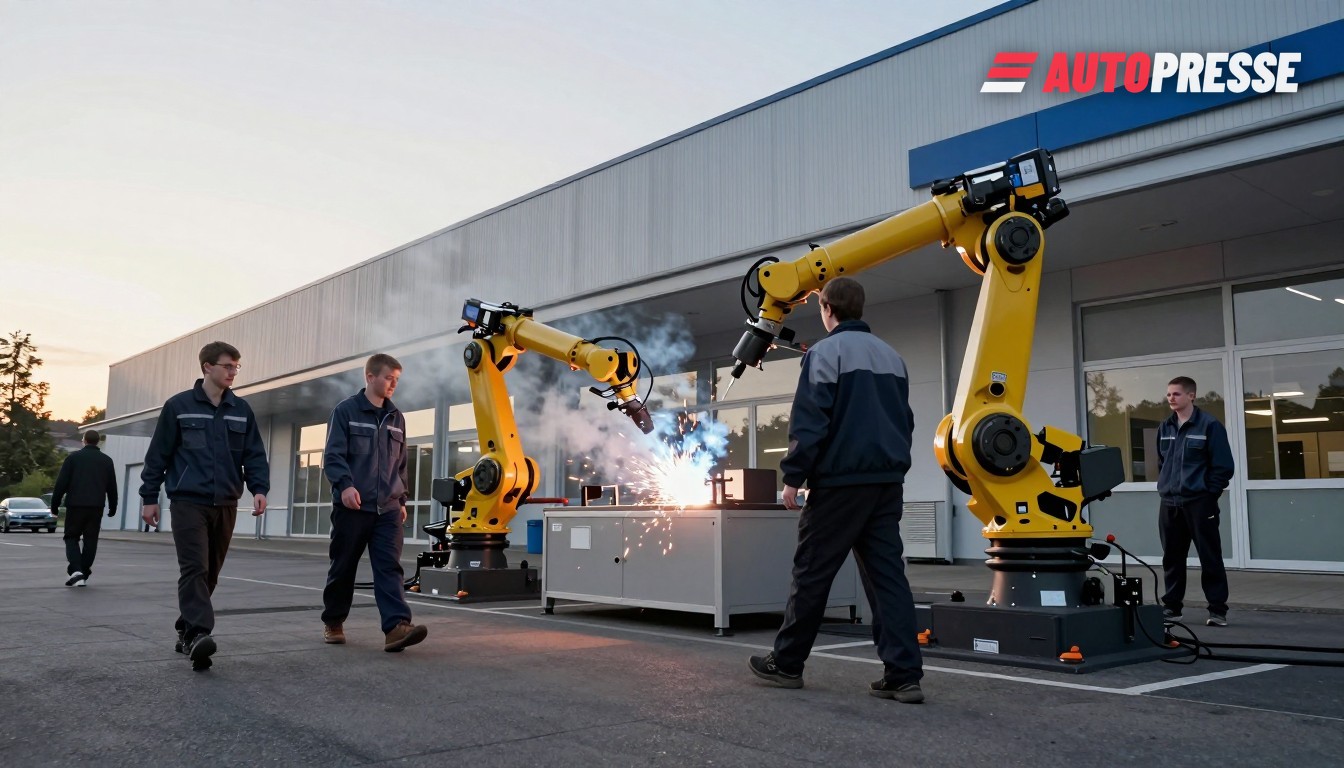
Training is evolving beyond conventional metalwork. Freudenberg’s 2026 programme launched “Learning with AI and New Technologies” to give apprentices adaptive, AI‑based feedback in vocational practice; the company documented the scheme as starting in September 2026.
Quality, auditor and IATF‑16949 modules are widely available across Austria through TÜV AUSTRIA’s 2026 course catalogue — tools that suppliers must master to keep pace with OEM audit demands and compliance for electrified powertrains.
Regional clusters and industry bodies are filling gaps. Austria’s Automobil‑Cluster rolled out modular, certified courses for project management, quality engineering and internal auditing in its 2025/26 qualification programme — practical training aimed directly at small and mid‑sized suppliers.
Semiconductor and electronics employers also list structured apprenticeships in both countries; Infineon’s local career pages show apprenticeship options in Germany and Austria alongside technical training pathways.
What this means for the market
1) Shorter service times and better EV support: More mechatronics and EV‑specialist trainees mean workshops and dealer networks can service hybrid and battery vehicles faster, reducing downtime for private and fleet customers.
2) Local resilience against supplier churn: When medium‑sized suppliers up‑skill locally, OEMs and dealers face fewer sourcing shocks and spare‑parts delays — crucial as parts shift from mechanical to electronic and software‑rich systems.
3) A new supplier skill set: Expect procurement teams to add digital and quality‑management criteria when they audit vendors. Dealer groups and software‑service providers are already partnering with training and AI firms — Munich‑based OneDealer, for example, markets AI‑driven dealer operations tools from its Germany and Austria offices, signalling demand for staff who can run AI‑enabled systems on the shop floor.
4) Faster adoption of market intelligence: Dealer and aftermarket groups are increasingly using agentic AI and market‑scanning tools to price and list vehicles; suppliers that train staff to use these analytics will remain more competitive. DaVinci AI publishes dealer‑focused multi‑agent and stock‑analytics solutions aimed at European importers and groups.
WorldTrader24 B2B-Fahrzeugmarkt für Händler →
Sources: Volkswagen Group, MAN Truck & Bus, Freudenberg, TÜV AUSTRIA, Automobil‑Cluster, Infineon, OneDealer, DaVinci AI