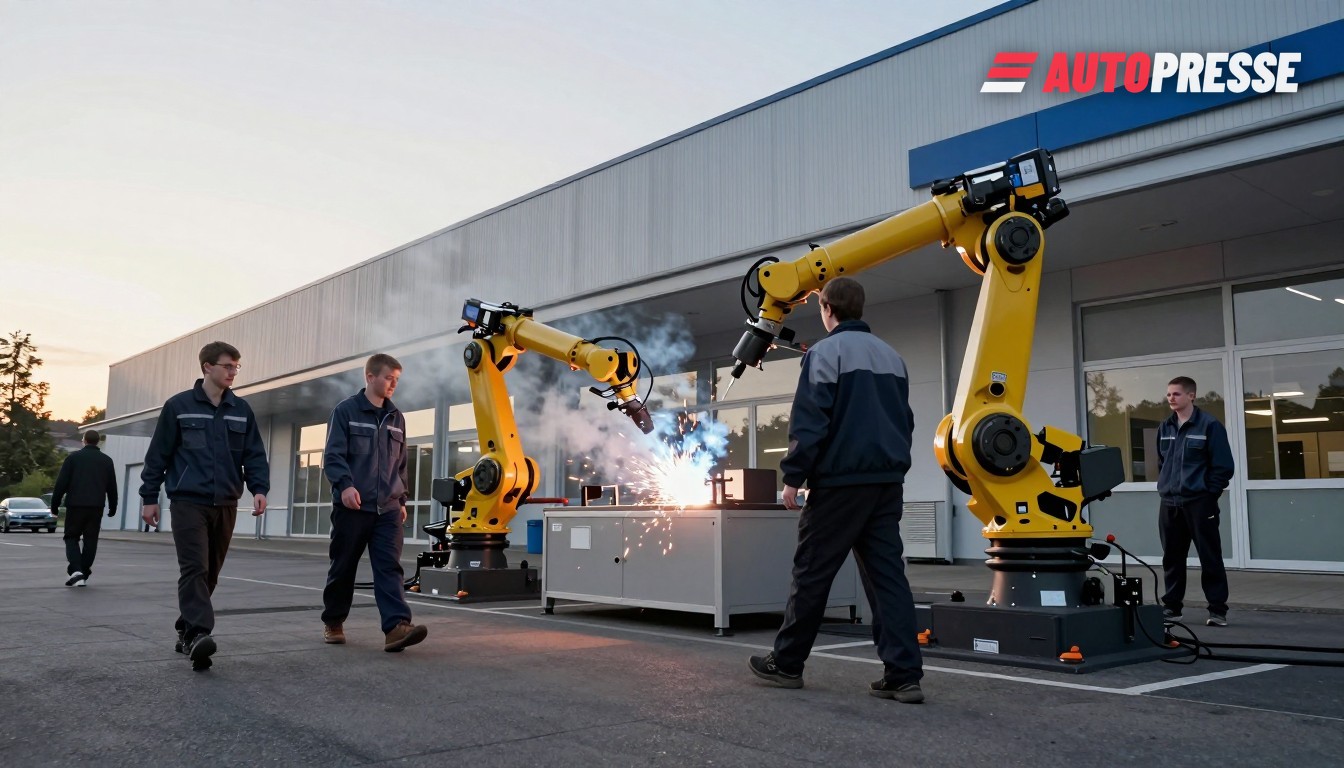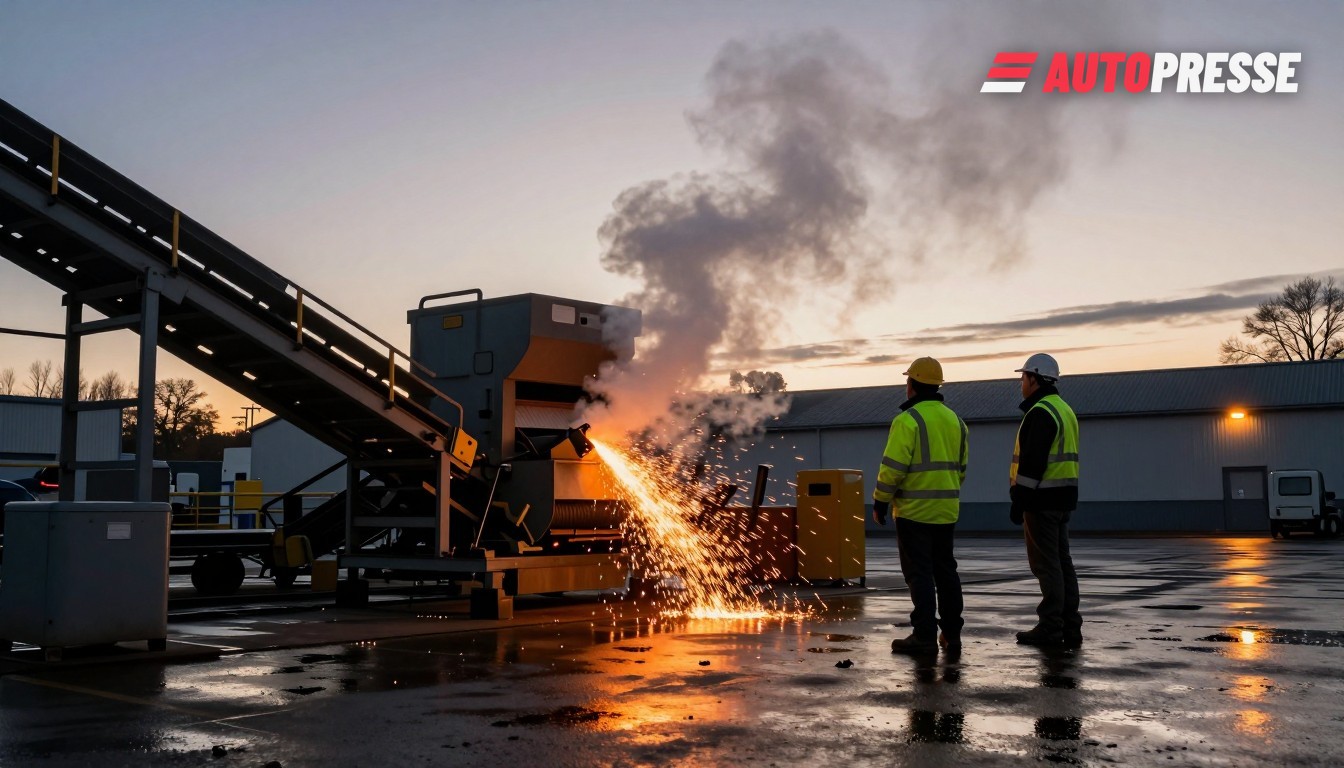
Germany and Austria’s supplier scene is shifting from volume parts to higher‑margin tyres, specialised cooling and contract EV assembly — a change that matters for drivers (spare‑part availability), dealers (lifecycle margins) and employees (plant plans and hiring). In recent weeks three clear trends have emerged: Continental’s growing profitability and site pivots, MAHLE’s refinancing and tech bets, and renewed volume work at contract‑manufacturer Magna Steyr in Graz.
Continental: tyres, margins and site moves
Continental told investors on 4 November 2026 that it has raised its 2026 outlook: it now expects an adjusted EBIT margin (continuing operations) of about 13.4–14.0% and sales of roughly €13.5–13.9 billion, citing stronger tyre demand as a key driver. These results followed a robust third quarter and underpin a strategic narrowing toward tyre and tyre‑related businesses while Conti continues competitiveness measures in its ContiTech division.
At the same time Continental is re‑shaping factory footprints: the group confirmed plans to move certain solid‑rubber tyre output and to develop renewable power on site, including a planned wind farm at Korbach as part of energy and cost measures. Those moves come with social plans negotiated with works councils after earlier restructuring announcements.
MAHLE: refinancing, PVT and cooling tech
MAHLE has used corporate finance levers to stabilise its turnaround: the group said it successfully settled a €119.4 million partial tender for notes due 2028 on 3 November 2026, part of broader deleveraging and refinancing activity this year. Ratings agencies have already revised outlooks positively as MAHLE trims costs and focuses on electrification components.
Concurrently MAHLE is investing in energy and system technology at German sites: the company announced on 29 October 2026 that it commissioned what it bills as Germany’s largest photovoltaic‑thermal (PVT) system at its Vaihingen site and is developing high‑performance electronic cooling for data‑centre and EV power applications — products that convert engineering skill into higher‑value service and retrofit revenues for workshops and fleet operators.
Contract manufacturing returns to Austria
Magna Steyr’s Graz plant remains a focal point for OEM outsourcing: the contract assembler has been building EVs for Chinese marques (XPeng production in Graz began in September 2025 and Magna has added assembly of BYD/AION derivatives), and Austrian press reports in November 2026 say Graz is being lined up for further large orders that could add capacity and local supplier work for Styrian subcontractors. For regional suppliers and logistics providers, more volume work in Graz means upstream demand for stamping, seat modules and electronics harnesses.
At the same time, ZF’s carve‑out processes for ADAS and electronics — visible in an EU prior‑notification filing for the ZF Capri / Harman concentration — are shifting where software and sensing work sits inside supplier groups, and may prompt further outsourcing or new partnerships for German and Austrian sub‑suppliers that service ADAS modules.
What this means for the market
1) Procurement will prize service and margin: OEMs and dealers tell purchasing teams they prefer suppliers who can deliver higher‑value systems (tyre services, thermal management, contract assembly) rather than commodity parts. 2) Aftermarket and workshops face mixed effects: stronger tyre margins and MAHLE’s cooling products expand dealer service opportunities, but factory consolidations and offshoring can tighten availability for some legacy parts. 3) Employment and regional clusters will bifurcate: sites that host higher‑value production or contract assembly (e.g., Graz for Magna) should see hiring and subcontractor gains, while lower‑margin commodity production remains under pressure and tied to social‑plan negotiations. The near‑term balance will depend on OEM order books and whether suppliers can convert engineering projects into recurring aftermarket revenues.
B2B vehicle listings for dealers on WorldTrader24 →
Sources: Continental, MAHLE, Industriemagazin, Der Standard, EUR‑Lex