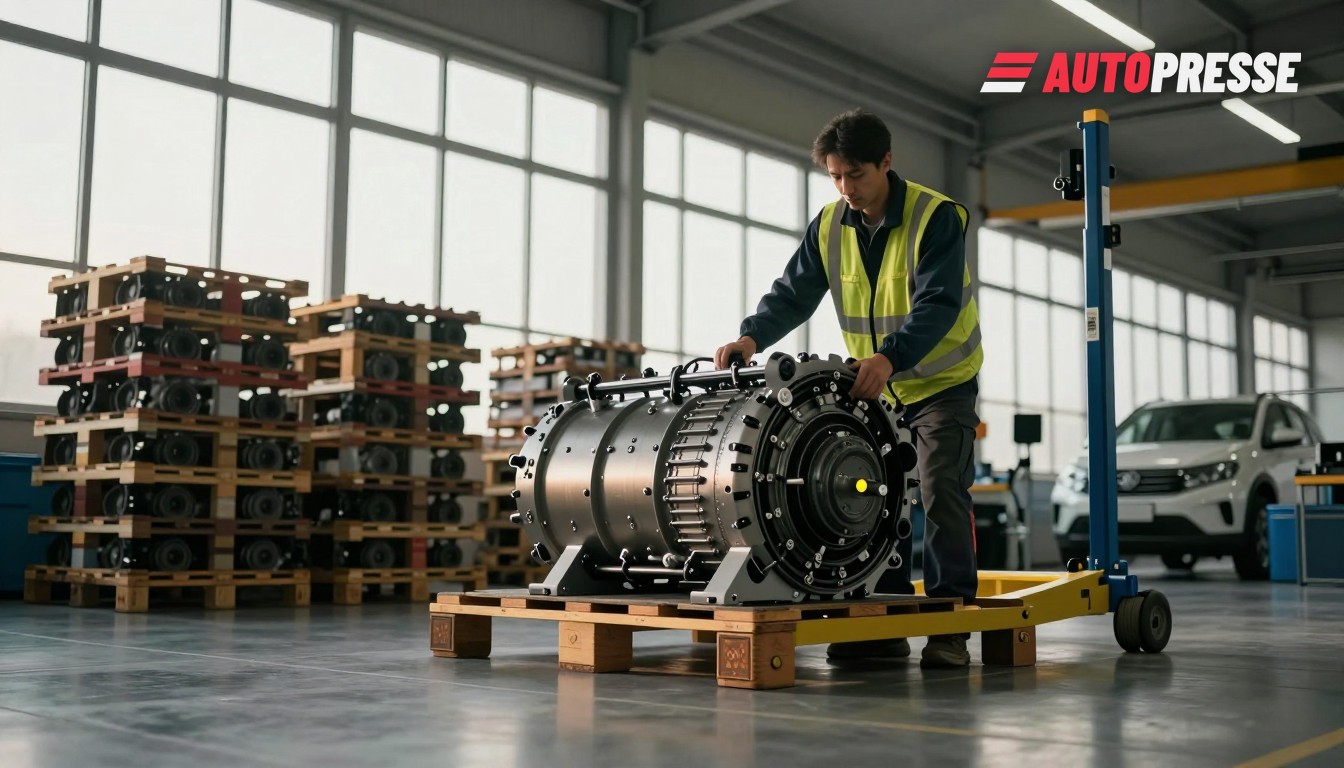
The supplier map for Germany and Austria has a new pivot: IBU‑tec advanced materials’ move to industrial‑scale lithium‑iron‑phosphate (LFP) cathode production at Bitterfeld‑Wolfen is now a verified, date‑driven event with direct automotive customers — a development that matters to OEM buyers, tier‑1s, logistics providers and parts workshops across both countries.
What was announced — the facts
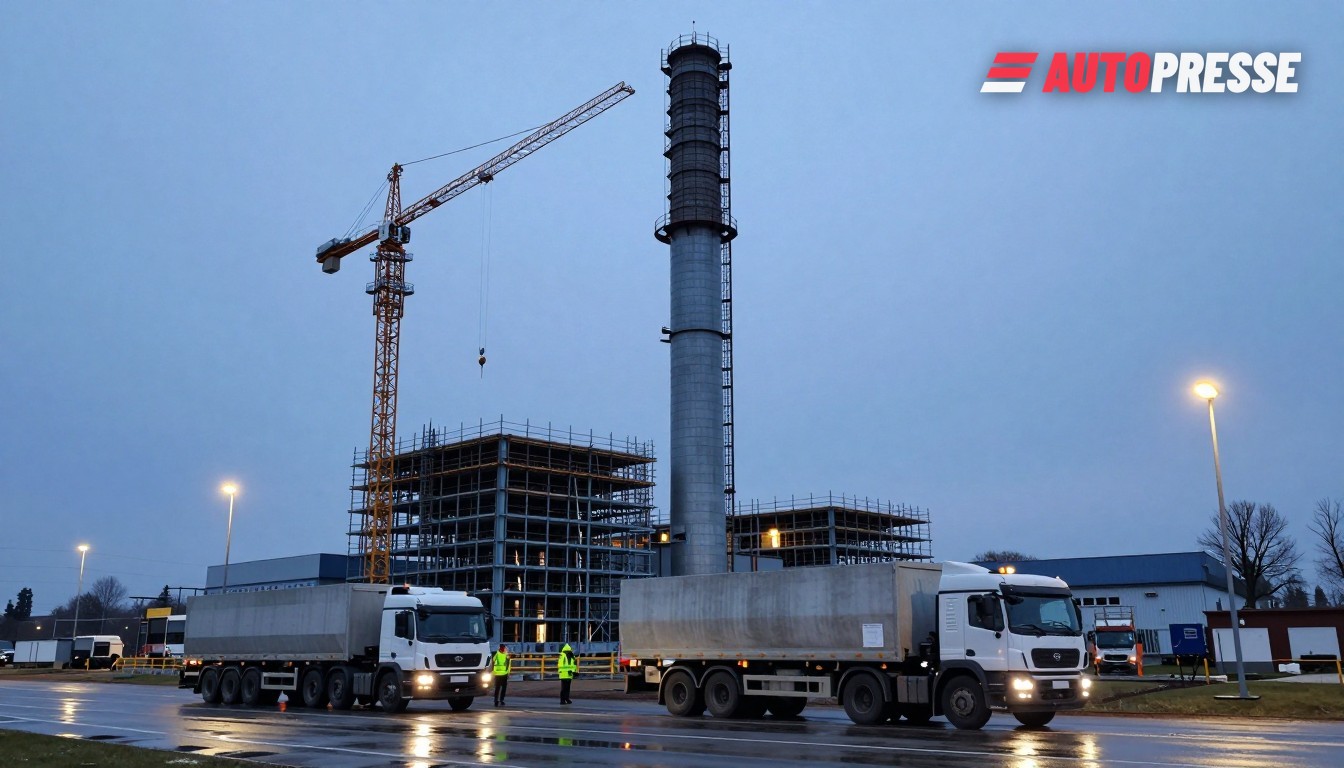
On 7 September 2026 IBU‑tec confirmed it had received an important permit for construction work at its Bitterfeld site and said it is building what it describes as Europe’s largest LFP production plant.
The company has a formal Joint Development Agreement and subsequent supply commitments with PowerCo SE (Volkswagen Group’s battery unit); IBU‑tec reports planned annual volumes tied to that contract in the mid‑to‑upper double‑digit million euro range.
IBU‑tec completed a topping‑out for the new spray tower in April 2026 and states the spray tower and associated infrastructure are on a timetable aimed at first production steps and commissioning in the fourth quarter of 2026, with further capacity ramping through 2027–2028. The company has said it expects to be the largest LFP capacity holder in Europe from 2028.
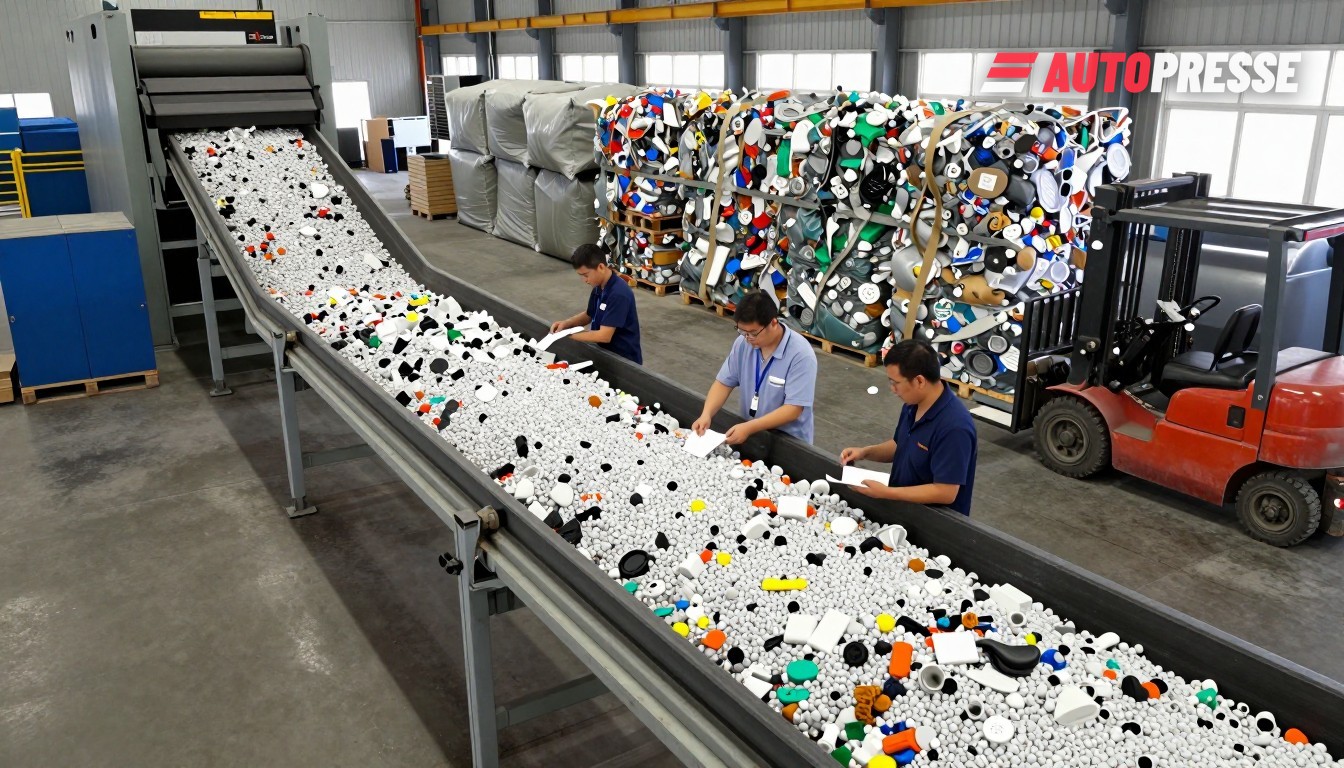
Alongside the LFP project, IBU‑tec reports growing activity at its Weimar/Bitterfeld pilot facilities for battery recycling and development partnerships (for example with Hosokawa Alpine and Wanhua Chemical) that feed material qualification and scale‑up work.
What this means for the market
First, the IBU‑tec timetable converts an abstract supply‑security goal into specific procurement dates for German and Austrian OEMs and tier‑1 buyers: when an EU‑based LFP cathode line is running, battery cell and pack makers can plan less reliance on imported cathodes and precursors. Given that European manufacturers have argued LFP cathode supply is currently heavily China‑centric, a European capacity anchor changes negotiating leverage.
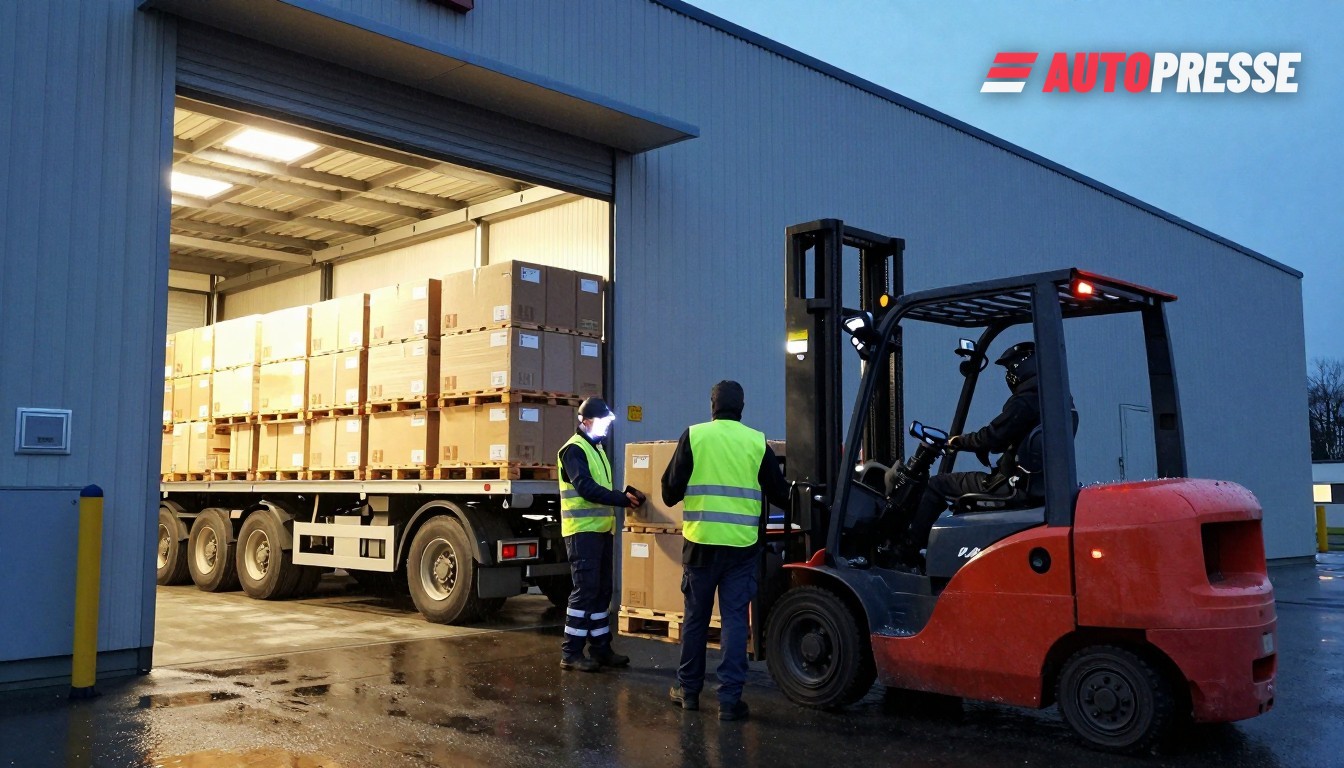
Second, local suppliers and service providers in Germany and Austria stand to pick up defined workstreams: chemical precursors, drying and calcination equipment, protective coatings, specialized logistics and industrial gas supplies, plus construction and site services for the Bitterfeld ramp. IBU‑tec’s published contracts (mid‑to‑upper double‑digit million euro annual volumes for PowerCo) provide an early, quantifiable demand pool for those firms.
Third, battery recycling pilots co‑located with production bring a concrete route for spent‑battery feedstock to re‑enter local value chains — a regulatory and industrial advantage for Austria’s materials‑handling and Germany’s recycling‑equipment makers if volumes scale as planned.
Finally, timing matters: the spray‑tower milestone and the company’s public commitment to start production steps in Q4 2026 mean purchasing teams and tier‑1 planners can now assign delivery windows and qualification timelines instead of open‑ended assumptions. That reduces uncertainty for logistics firms, test‑labs and contract manufacturers in DE and AT.
For drivers and dealers the immediate effect is indirect: more local cathode capacity shortens upstream lead times, which over 2027–2028 can stabilise cell availability and help limit price volatility for battery‑rich trims — a slow, but tangible benefit for availability and aftersales in Germany and Austria.
WorldTrader24 B2B vehicle marketplace for dealers →
Sources: IBU‑tec press releases, electrive.com, EQS News, IBU‑tec financial reports