Germany’s supplier belt is splitting: long-term restructurings at big German groups are shrinking capacity at home even as Austrian suppliers chase new export and contract manufacturing work. That matters to drivers, dealers and parts workers across both countries — from Friedrichshafen to Graz — because procurement pockets, local jobs and the flow of components into German and Austrian vehicle plants are being rewritten now.
Germany: ZF’s pullback tightens the screws
ZF Friedrichshafen has been one of the most visible examples of the pressure on German tiers. Management agreed a package in 2025–26 that will cut around 7,600 roles in its Electrified Powertrain unit by 2030 and is part of a wider programme that could remove as many as 14,000 jobs in Germany by 2028; the company has said the measures aim to save more than €500 million by 2027.
As ZF reassesses where to make electric motors and inverters, it decided in May 2026 to keep that production in‑house but warned that “hundreds” more posts would be removed at specific German sites such as Schweinfurt and Auerbach. Those talks — with works councils and IG Metall — combine shorter hours, delayed wage rises and targeted reductions to hit the required cost base.
At the same time ZF stresses that restructuring is improving profitability: the group said in July 2026 it remained on track to exceed roughly €38 billion in annual sales for 2026 while aiming for an adjusted EBIT margin inside its target range. That underlines why management is pressing industrial changes even as it seeks to keep core volumes and contracts.
Austria: Graz buzz and AVL’s outward push
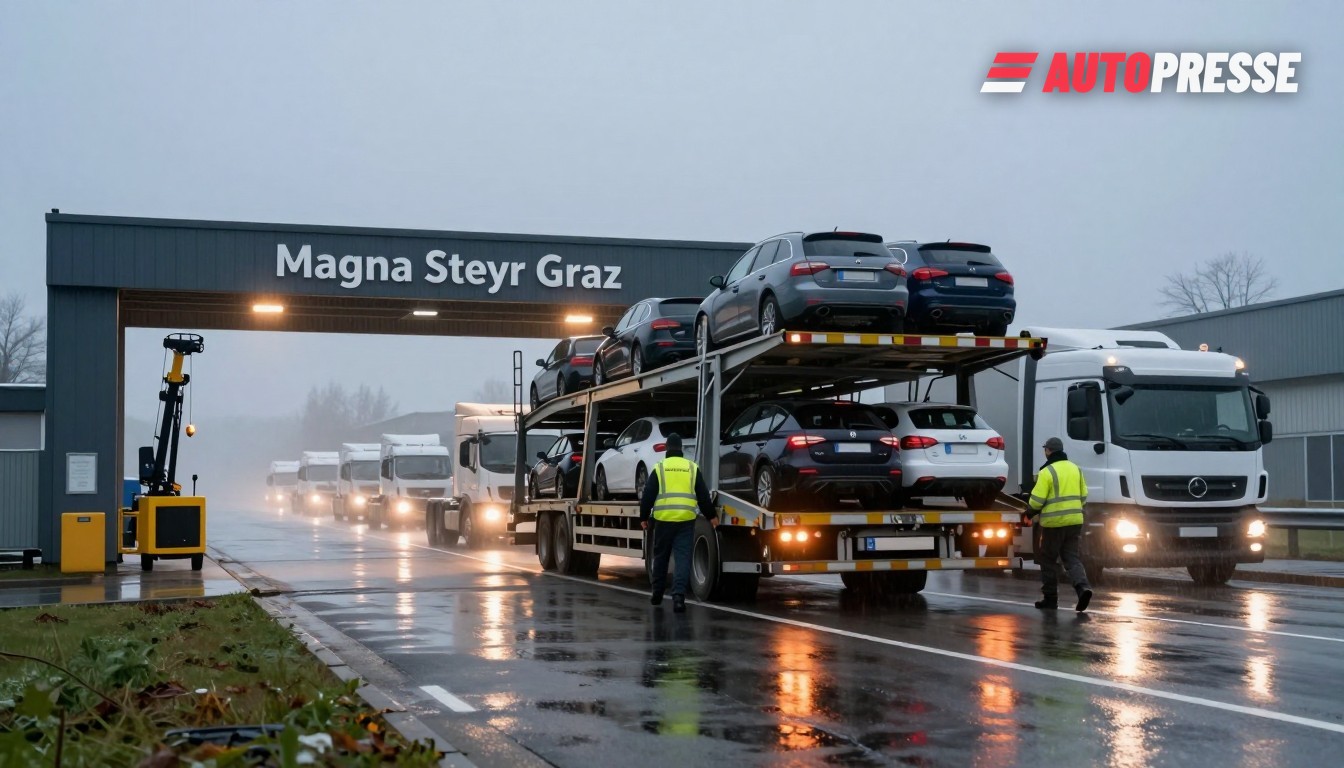
Across the border, Austria’s supply cluster is showing a different mix: negotiation and expansion rather than headline-scale retrenchment. Local coverage in early November 2026 reported that Magna Steyr’s Graz plant is linked to industry discussions with Chinese OEMs — names cited in press reports include SAIC/MG and Changan — and regional papers put the upside at as many as 1,000 new jobs if contracts are signed and local assembly ramps up (reports emphasise the figures remain unconfirmed by Magna). Magna told the press it would not “participate in speculation” about possible projects.
Meanwhile AVL List in Graz is expanding its international research and training footprint: on 3 November 2026 AVL signed a memorandum of understanding with Algeria’s USTHB group to deepen technology, research and skills cooperation — an example of Austrian engineering houses turning to exportable services, training and global partnerships as a route to growth.
What this means for the market
For OEM purchasing and dealers, the near-term effect is twofold: German Tier‑1 supply risk rises where large suppliers shrink local capacity, and Austria can become a nearer-sourced alternative for contract manufacture and engineering services if Graz and other hubs lock deals. For employees and local economies, ZF’s cuts underline continuing industrial pain in Germany; for Austria, Magna rumours and AVL’s MoU indicate how contract assembly and engineering exports can offset weakness elsewhere. Buyers, fleets and workshops should expect shifting lead times and changing regional supplier footprints as contracts move and capacity is rationalised.
WorldTrader24 B2B vehicle marketplace for dealers →
Sources: Reuters (reported May & July 2026), Der Standard / APA (Nov 4, 2026), WKO (AVL press note, Nov 5, 2026)