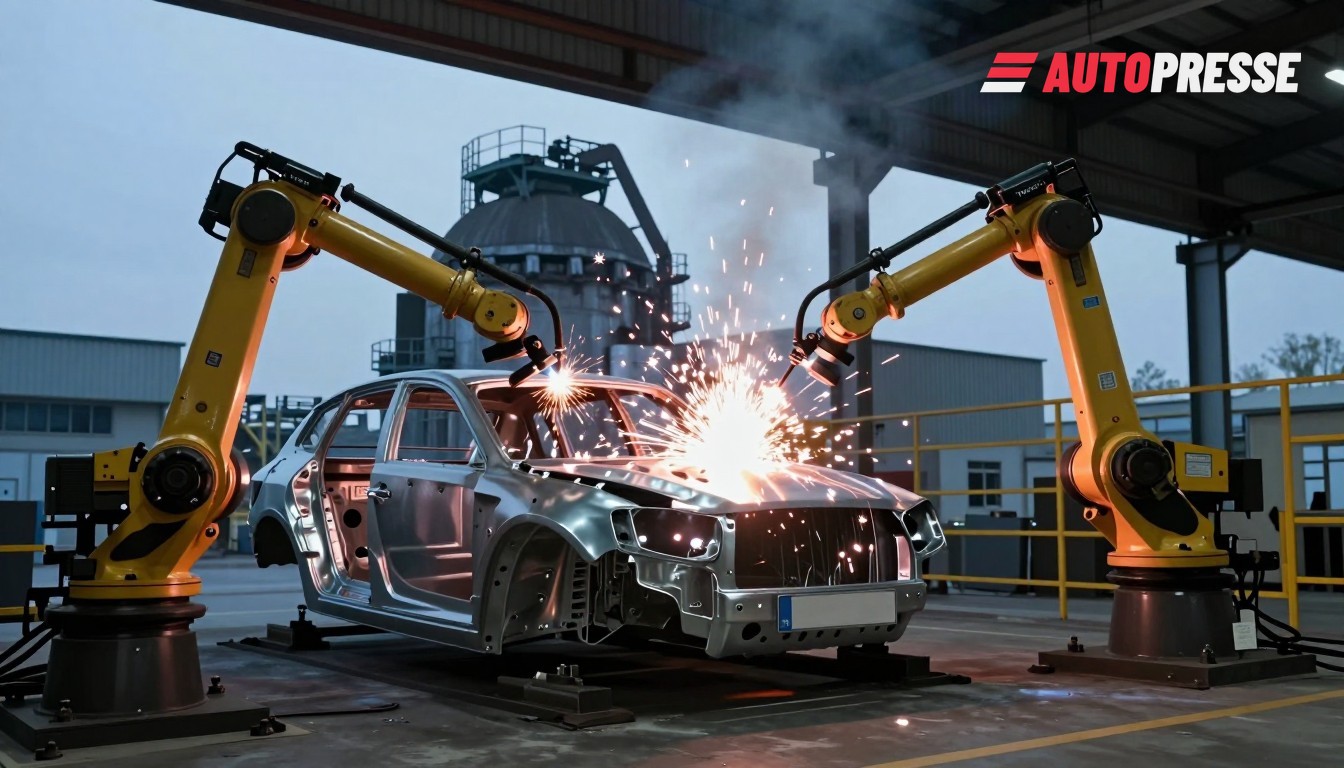
Germany and Austria’s supplier base is sharpening two very different answers to the same problem: costly local production. In Germany, Infineon has opened a new office and laboratory at its Warstein site to scale power‑semiconductor R&D for automotive and AI power conversion; in Austria, voestalpine used its annual apprentice day to underline heavy training investment even as CEO Herbert Eibensteiner publicly warned a hypothetical new plant “would be built elsewhere” because of Austria’s cost base. Both moves matter to vehicle makers, dealers and supplier workforces in DE and AT: chips and high‑strength steel are the backbone of electrification, and both need secure, competitive local production to keep supply chains flowing.
Infineon builds Warstein lab and presses GaN/SiC bets
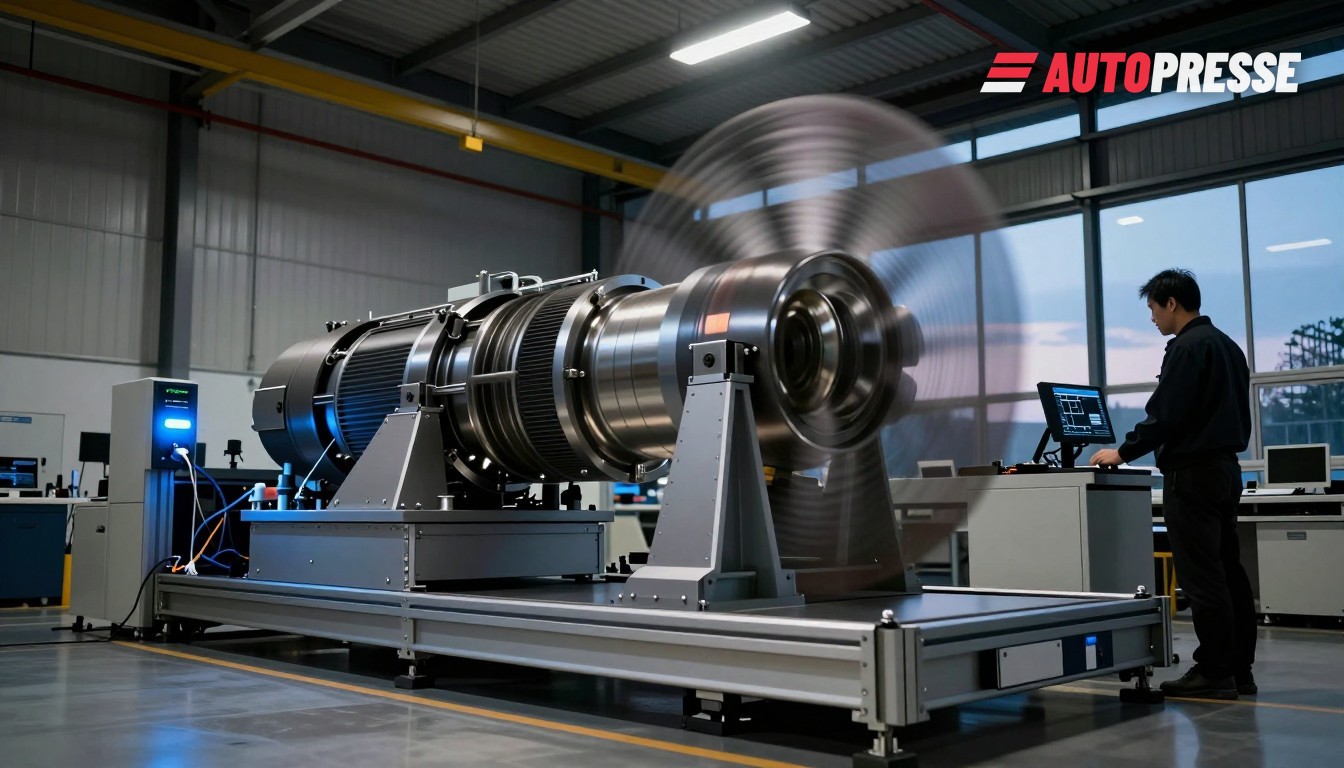
Infineon officially cut the ribbon on a new Warstein office and laboratory building on 28 October 2026, creating workspace for roughly 350 employees and about 1,200 square metres of laboratory space at the site. The opening sits alongside a string of product and partnership announcements: Infineon is rolling out LinearFET MOSFET technology and new reference designs aimed at solid‑state power distribution for vehicles, and it has signed supply and partnership deals to bolster GaN and SiC capacity. The group is also investing in Villach: Infineon plans about €1.1 billion to add high‑volume 300 mm GaN production there, with output slated to begin toward the end of 2027. Those investments are explicitly framed to shorten lead times and secure chips for automotive power‑electronic and software‑defined vehicle architectures.
voestalpine: training push, dust study and a blunt CEO warning
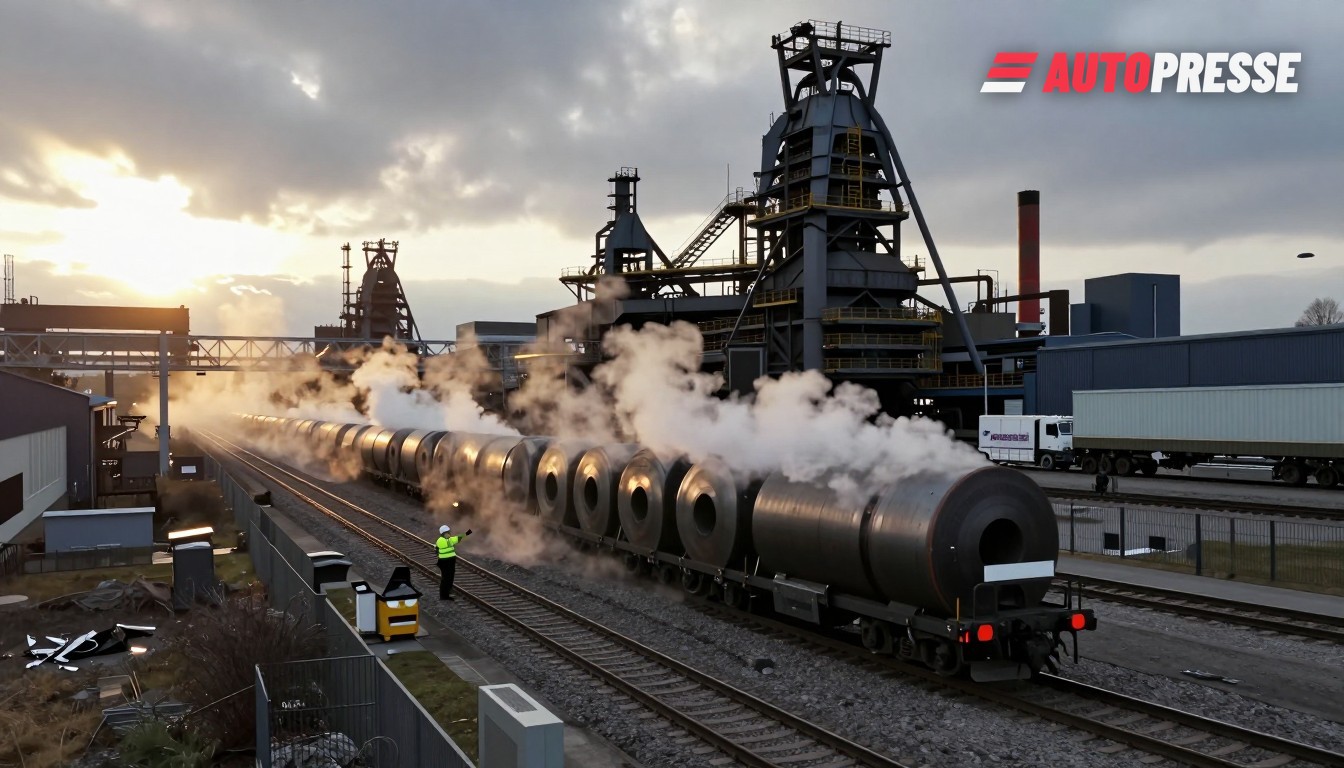
At voestalpine’s Group Apprentice Day in Linz on 5 November 2026 the group said 380 apprentices from Austria, Germany and Switzerland attended and that the company took on 311 new apprentices in Austria for the current training year — part of a wider commitment that voestalpine says costs roughly €100,000 per apprentice. At the same event and in subsequent comments, CEO Herbert Eibensteiner told Die Presse (reported by market press) that if he were to site a new plant today he would choose “elsewhere” because of Austria’s cost base; a separate expert dust assessment around the Leoben‑Donawitz site found fine‑particulate limits respected but reported rises in coarse dust that will require further measures. The combination of heavy investments in skills and public doubts about the local cost base underlines the tension for steel suppliers in Austria.
What this means for the market
Short term, carmakers and tier‑1s in Germany will welcome Infineon’s Warstein expansion and its Villach GaN roadmap because regional capacity for GaN/SiC and MOSFETs reduces the risk of long offshore lead times and price shocks that have driven production slowdowns. For Austrian suppliers, voestalpine’s training intake and the planned partial electrification of Donawitz show the country remains a premium supplier of press‑hardened and structural steel — but the CEO’s comments are a red flag: if energy and wage costs keep rising relative to competitors, OEMs and contract manufacturers could see higher part prices or even the relocation of future greenfield capacity. Policymakers in both countries face a familiar trade‑off: pay to keep advanced fabs and greentec steel at home, or accept more offshore sourcing and longer cross‑border logistics. The European microelectronics IPCEI and related funding help — Austria’s role in microelectronics and batteries is explicitly supported in EU planning — but public grant speed and local operating costs will decide how many of these projects actually stay in DE/AT.
For dealers and fleet managers: expect steadier parts supply for power‑electronics over 2027 if Infineon’s Villach/GaN ramp hits schedule, but plan for upward pressure on steel‑intensive components if voestalpine and other metal suppliers pass higher local operating costs into prices or slow investment. For employees and apprentices, the message is twofold: investment in skills continues, but long‑term job security depends on national cost competitiveness as much as training numbers.
B2B vehicle listings for dealers on WorldTrader24 →
Sources: Infineon, voestalpine, European Commission, ad‑hoc‑news