Freight routes for parts, batteries and temperature‑sensitive goods are being rewritten across Germany and Austria as logistics operators invest in specialist handling, larger cold‑chain capacity and higher‑safety battery storage. For carriers, dealers and suppliers this means new inland hubs, new handling rules and an urgent need to reconfigure cross‑border flows.
Specialist hubs: batteries and retail consolidation
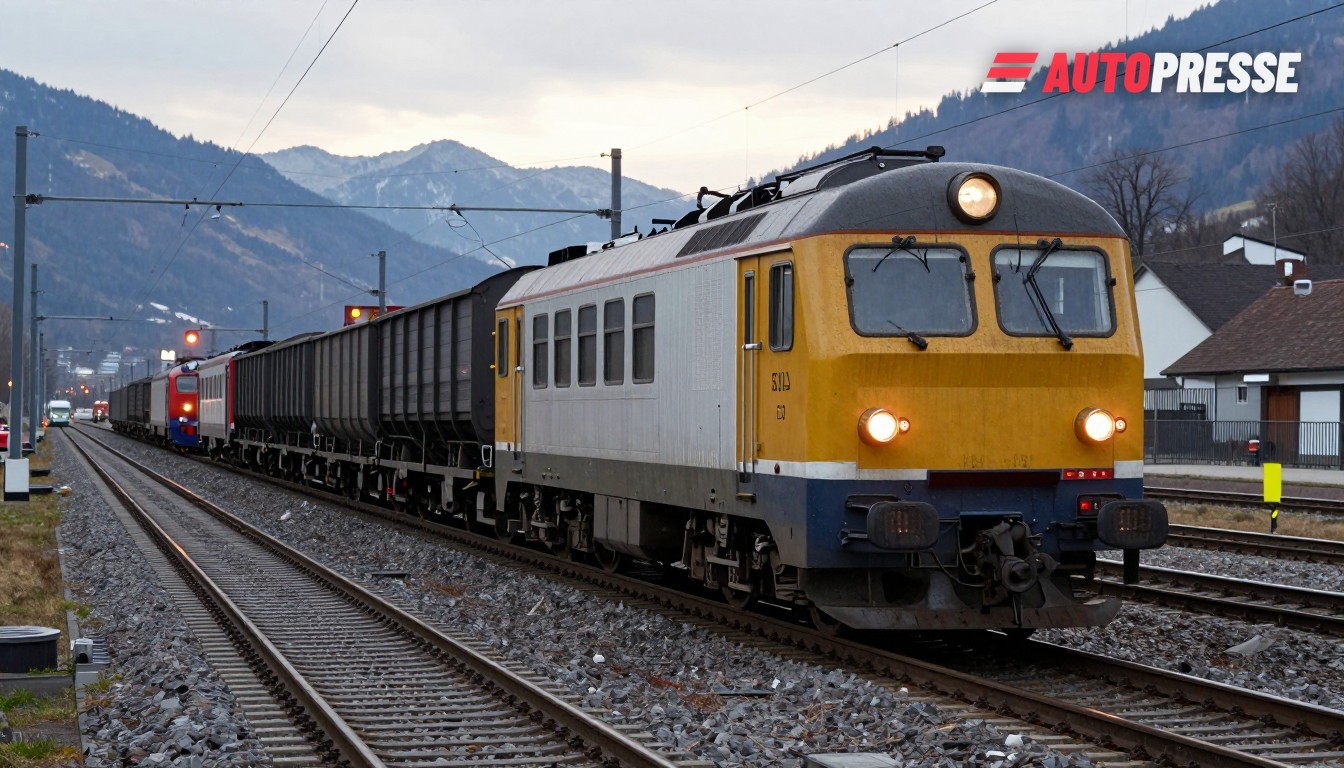
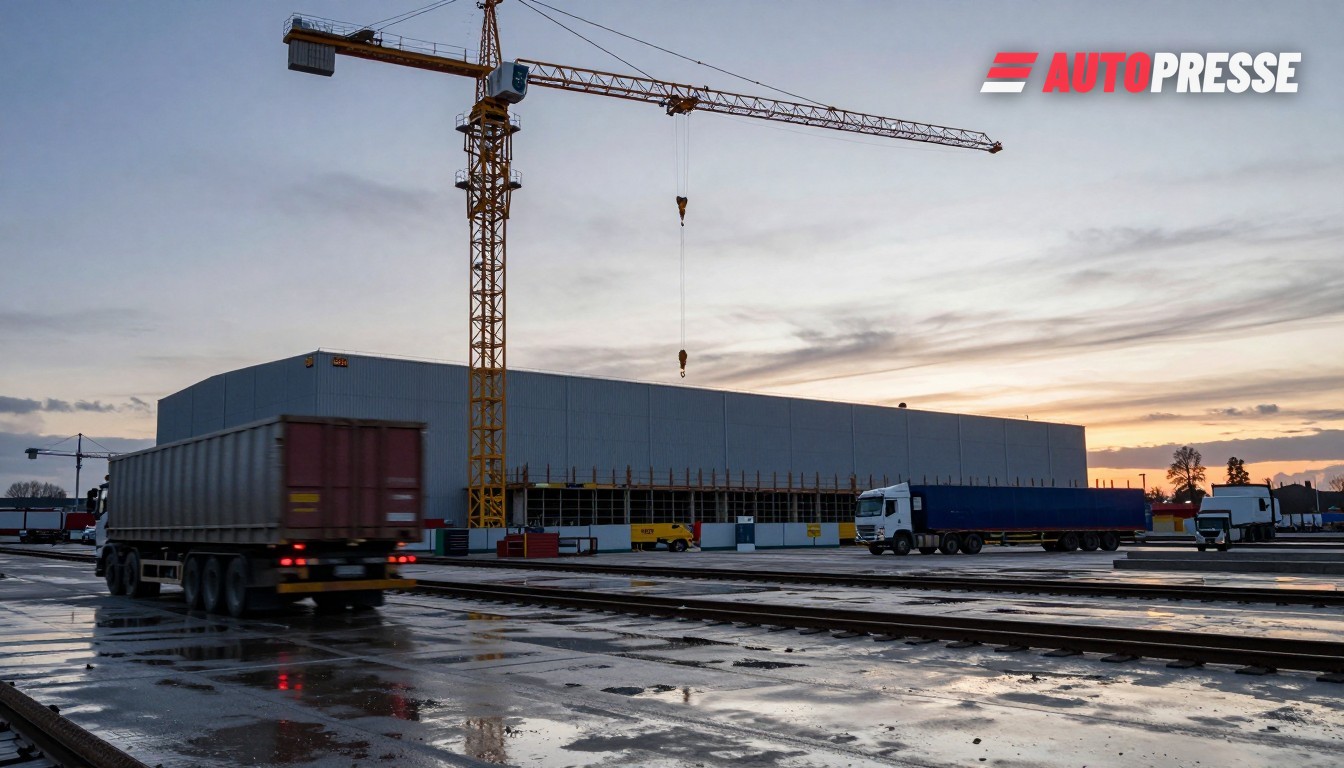
On 10 September 2026 DP World announced a €50 million expansion of its Wolfenbüttel chemicals hub that will add a purpose‑built 30,000 m² warehouse for lithium‑ion battery storage plus a new rail terminal — a move DP World says will link automotive and chemicals customers to its European rail and port network.
Across the border in Lower Austria, REWE Group broke ground on the first phase of its ALPHA logistics centre in Wiener Neudorf on 13 May 2026. The project is planned as a consolidated retail hub with automated high‑bay storage for roughly 87,000 pallet spaces on a site that will reach about 150,000 m² in later phases; REWE lists the investment at €600 million. The centre includes robot‑assisted picking and an on‑site recycling/sorting facility intended to cut transport kilometres and improve supply security for Austrian stores.
Automation expands, but with new safety layers
Contract logistics operators are following retailers and port operators by installing higher‑density, automation‑led systems. Hellmann Worldwide Logistics on 25 November 2026 confirmed a deal to deploy Exotec’s Skypod system at Siemens Smart Infrastructure’s Nuremberg site; the installation will start with about 35,000 storage locations and is scheduled to go live in mid‑2027, Hellmann says. The project underlines a practical trend: intelligent, goods‑to‑person systems that increase throughput while freeing land near ports and industrial zones for specialist uses such as battery or hazardous‑goods handling.
Those specialist uses have consequences. Purpose‑built battery warehouses require segregated fire‑suppression, temperature and handling protocols and — because many will link directly to rail terminals — new safety and customs procedures for cross‑border freight. DP World emphasises the rail terminal will provide seamless access across its European network, underlining how inland rail is being paired with high‑value, safety‑sensitive storage.
What this means for the market
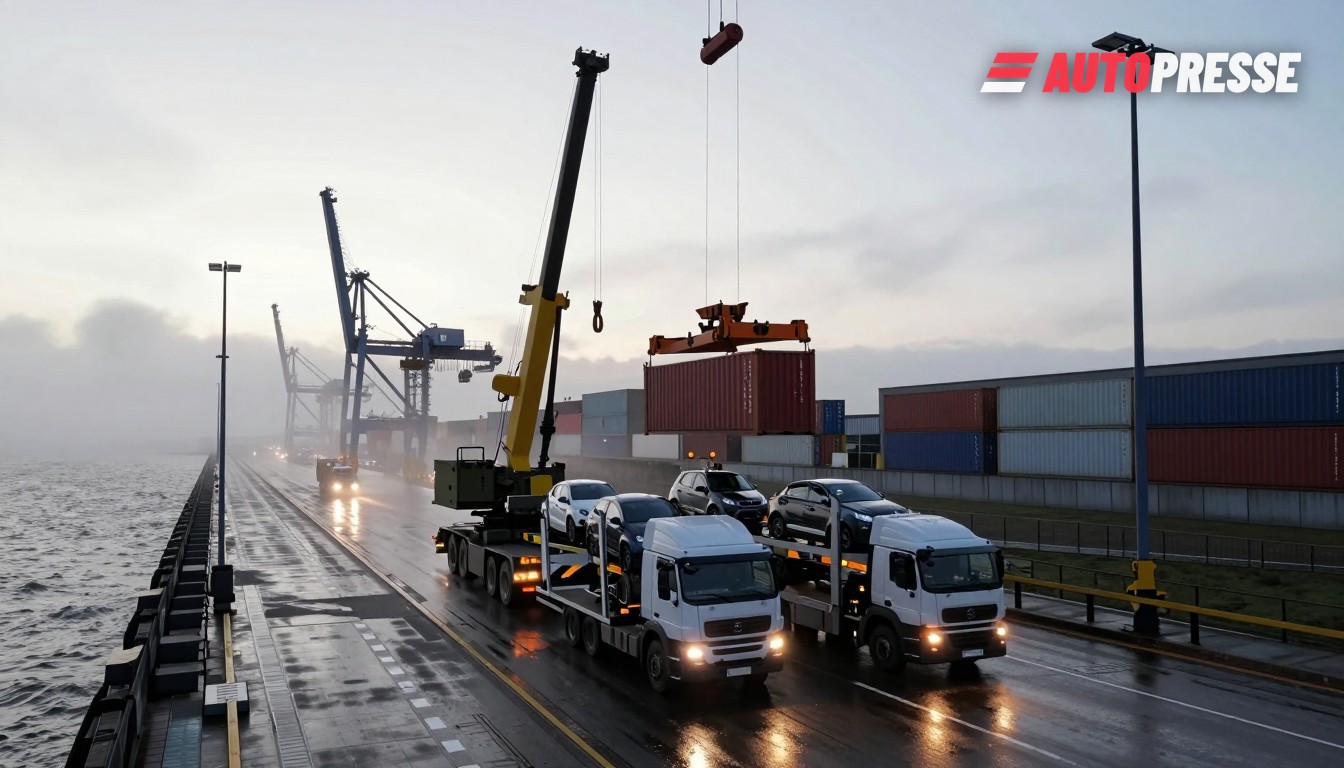
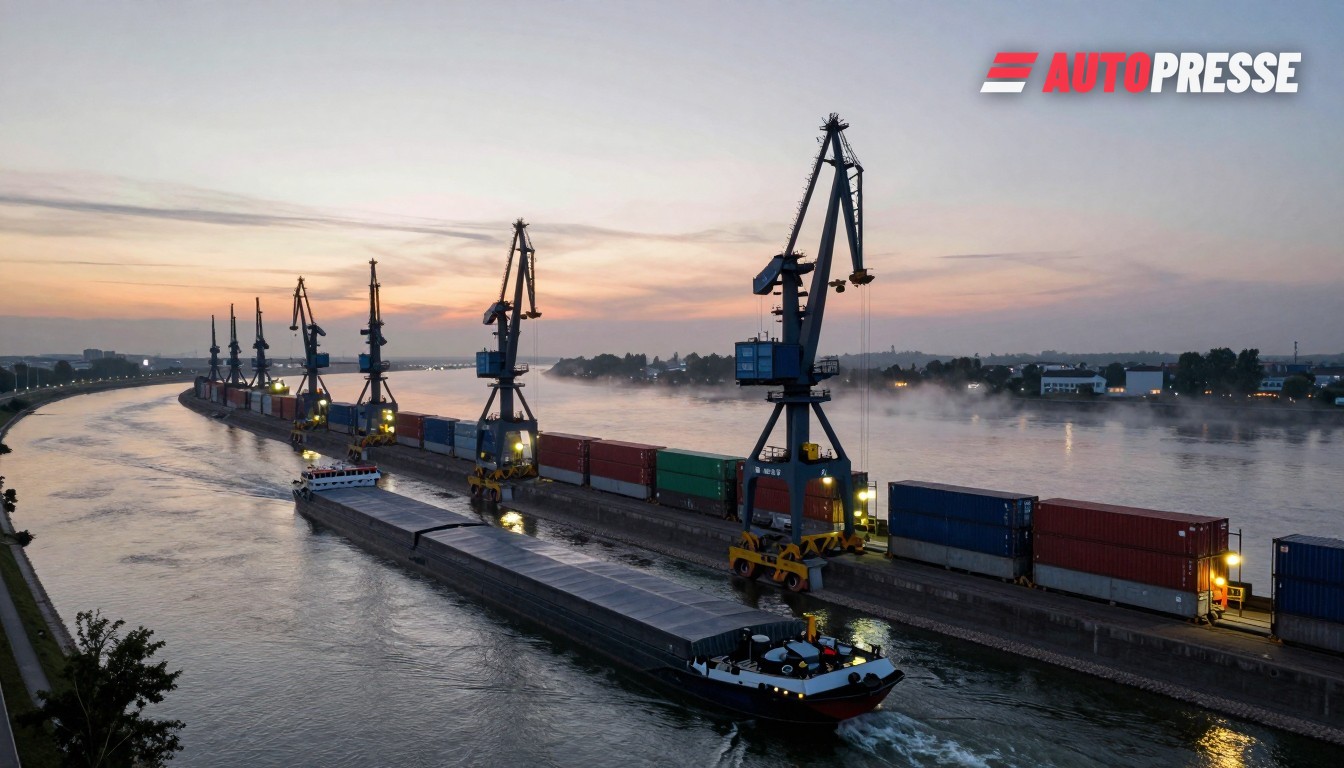
For automotive suppliers and dealers: expect shorter, more specialised legs for high‑value parts and EV components. Battery logistics will concentrate at fewer, better‑equipped hubs (raising handling standards but also locking in new transport patterns). For carriers: demand will grow for certified battery handling and for combined rail‑road corridors that feed inland facilities. For ports and terminal operators: the commercial prize is to attract higher‑margin, specialist freight even as general container volumes fluctuate. The shift also raises near‑term costs — higher capex for specialist warehouses and upgraded safety regimes — while offering longer‑term resilience and closer proximity to assembly and aftermarket centres.
Commercial vehicle listings for dealers on WorldTrader24 →
Sources: DP World press release, REWE Group press release, Hellmann Worldwide Logistics / Logistics Manager