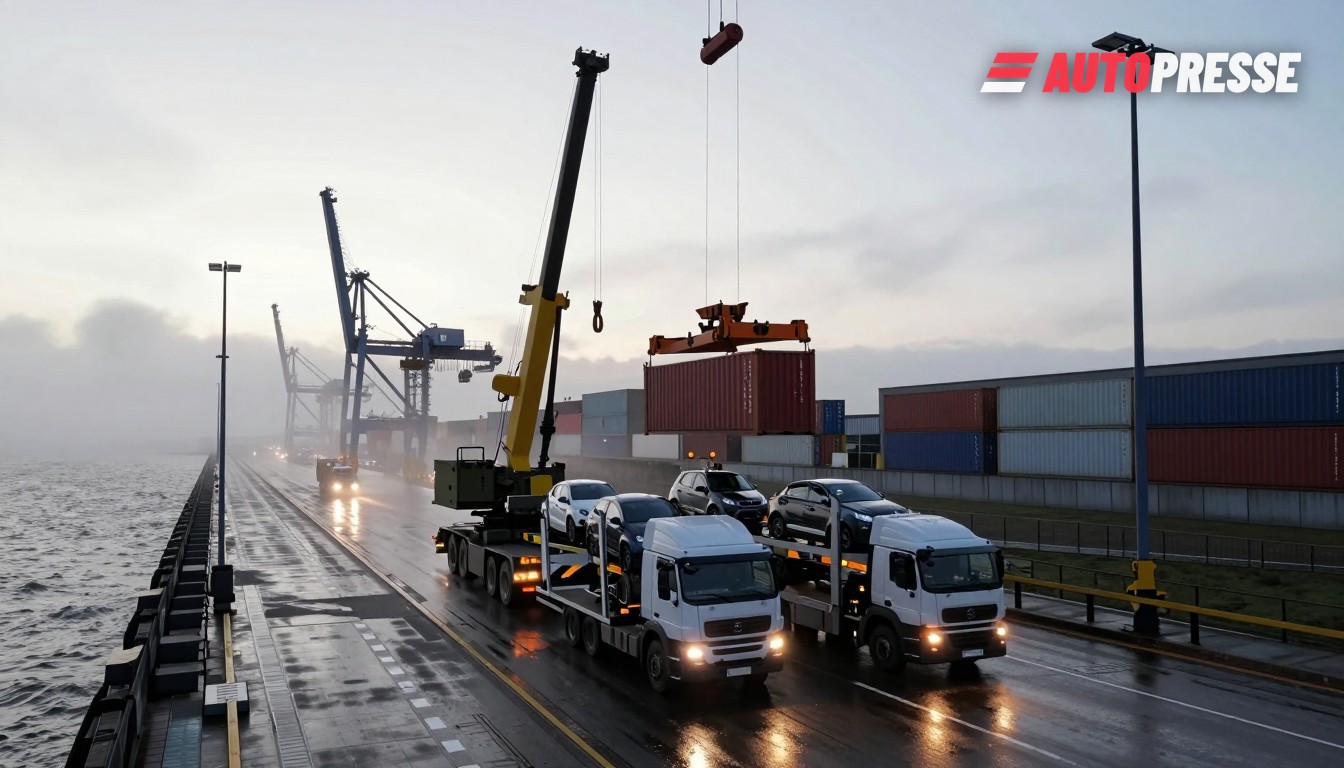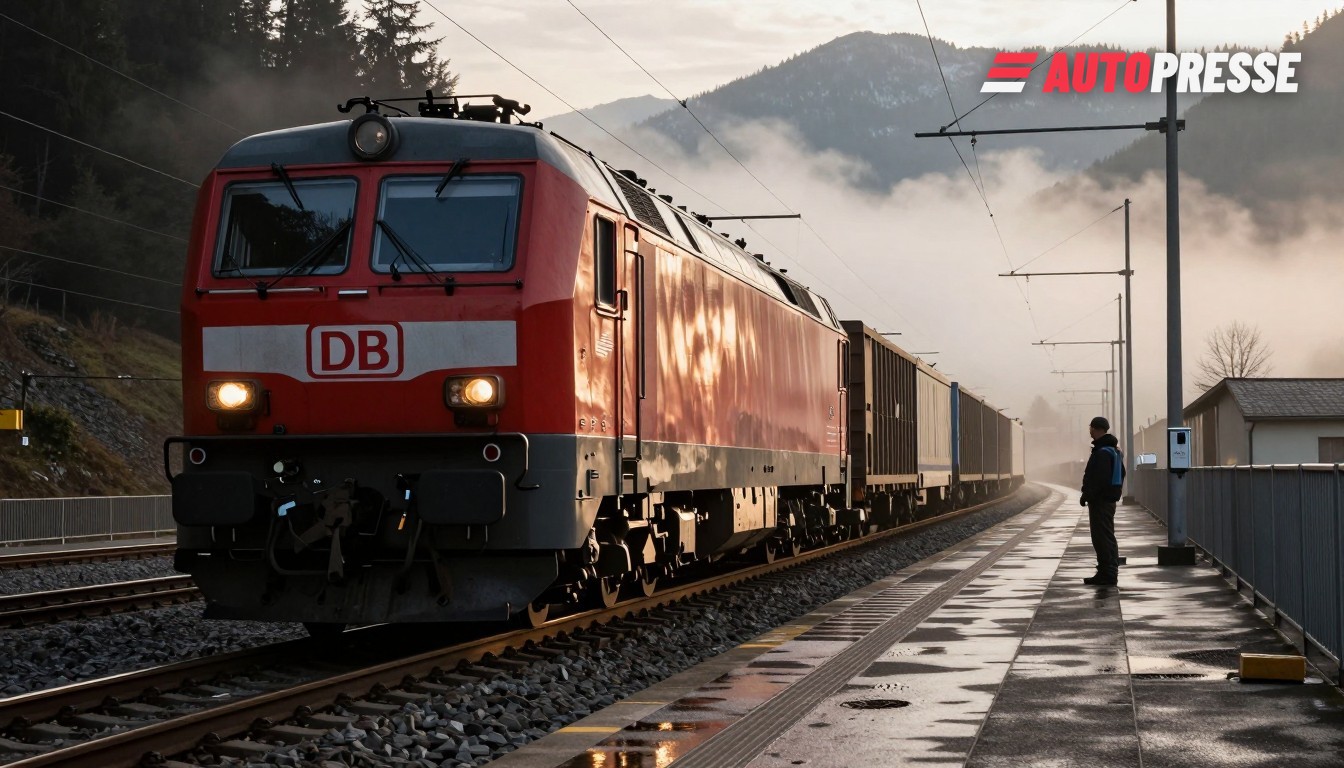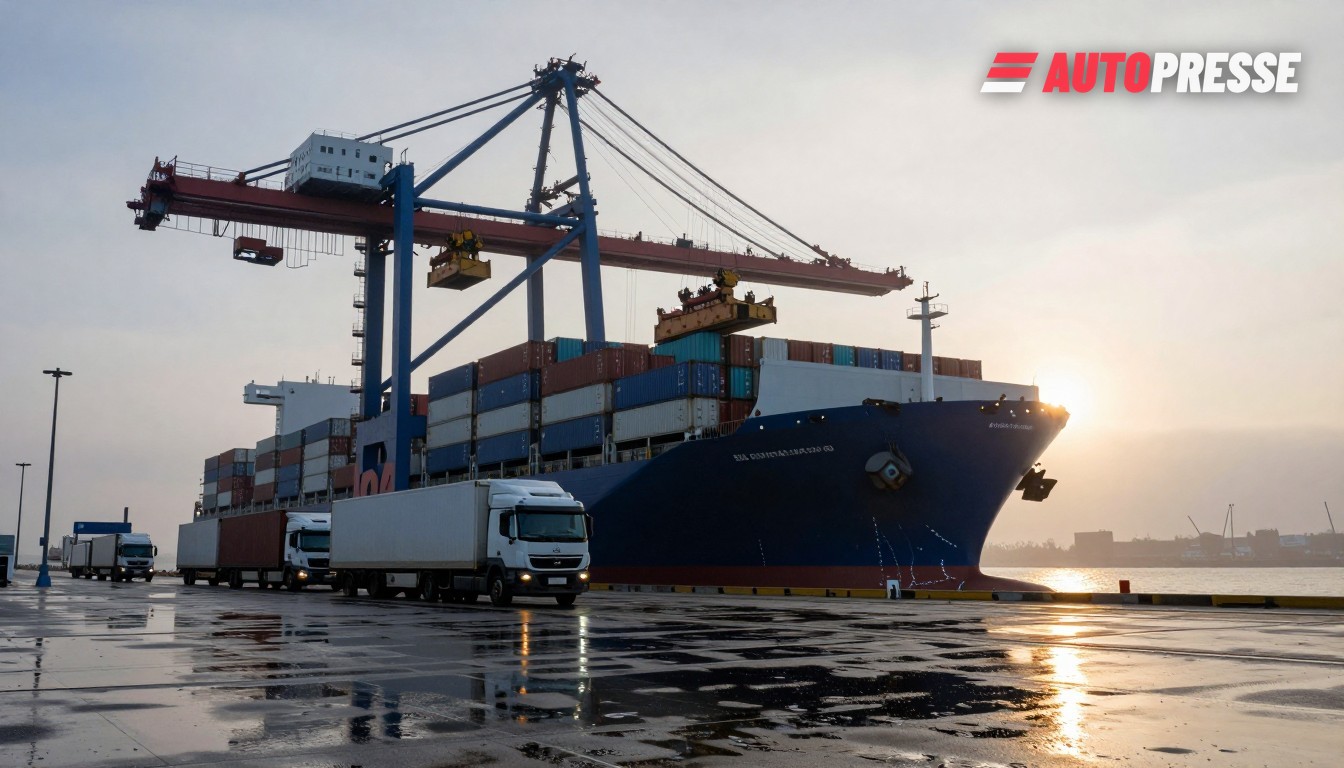
BASF has broken ground on a more-than-€100 million upgrade of the Kombi‑Verkehr terminal at its Ludwigshafen site, a project that the company and federal authorities say will strengthen rail-based links across Germany and into Central Europe — with clear knock‑on effects for automotive and supplier logistics in Germany and Austria.
Expansion details and funding
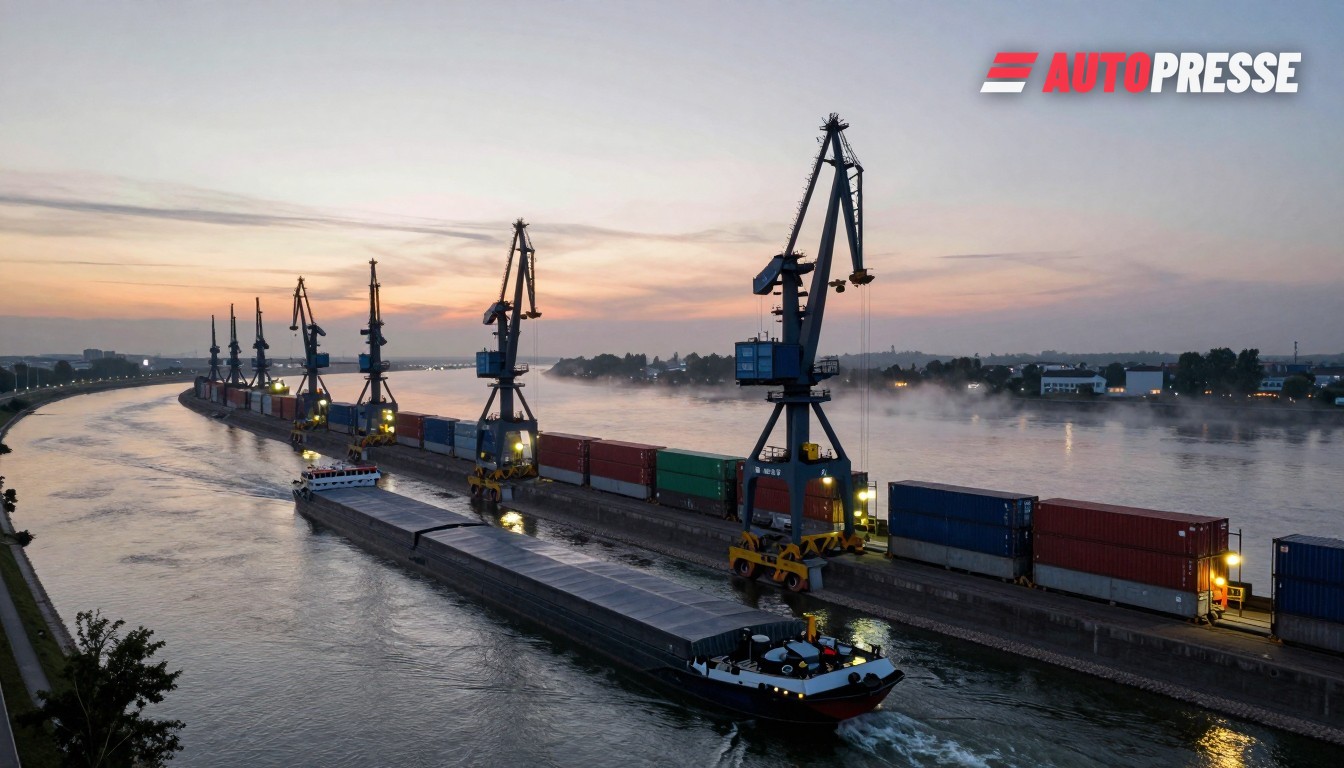
The investment — announced and started in August 2026 — replaces and enlarges old gantry modules with modern container cranes and handling modules and adds digital truck‑processing tools at the site. BASF says the works will modernise one of Europe’s largest combined-transport terminals; the company has received a federal grant of close to €51 million toward the scheme.
Today the terminal handles more than 1,100 loading units per day and already processes a significant share of regional combined transport; the upgrade will increase capacity for full trains and barge transshipments and shorten truck dwell times at the gate.
BASF executives framed the project as strategic for site competitiveness. As CEO Markus Kamieth put it, the expansion will be about "strengthening the efficiency of our logistics" — a phrase BASF used when setting out the upgrade.
What this means for the market
For Germany and Austria the Ludwigshafen upgrade matters because it is not an isolated plant project but part of a wider push to shift freight off roads and onto intermodal corridors that link Rhine ports, inland hubs and Alpine gateways. UIRR and EU infrastructure planning list Ludwigshafen among nodes that can absorb more continental traffic and better connect to corridors serving Austria and southern Germany.
Practically, the project will help OEMs and tier suppliers by improving schedule reliability for chemical inputs, packaging and intermediate goods that move by rail and barge into Bavaria and Austria. That lowers dependence on short‑haul trucking — a category where Germany and Austria have seen rising rates and capacity pressure — and reduces exposure to road congestion and seasonal Rhine low‑water risk.
Logistics providers told AutoPresse that better terminal capacity at Ludwigshafen should ease periods of congestion at north‑western ports and inland hubs by enabling longer, more reliable full‑train flows; operators can then reroute trucks away from congested stretches and shorten lead times for cross‑border shipments to Austria. (Intermodal operators and terminal managers expect incremental rather than immediate changes; shifting modal share takes time and coordinated slot planning.)
Finally, the federal funding element — nearly €51m confirmed in April 2026 — signals that Berlin sees terminal modernisation as part of national transport and climate policy, which increases the likelihood of further state‑backed intermodal investments that will benefit manufacturers and suppliers across both countries.
Immediate vehicle listings on WorldTrader24 →
Sources: BASF, KTL – Kombi‑Terminal Ludwigshafen, UIRR, Tagesschau, ICIS