Austria is doubling down on rail and intermodal terminals while Germany pushes vehicle decarbonisation for freight — a split strategy that is already reshaping routes, capacity and equipment buying for logistics providers and fleets in both countries.
Austrian terminals and plans: concrete steps on rail
On 17 June 2026 the Austrian federal government approved ÖBB’s framework plan for 2027–2032, framing the state’s strategy as “a clear commitment to the railway” and prioritising faster implementation of routes such as the Unterinntal corridor to link to the Brenner Base Tunnel.
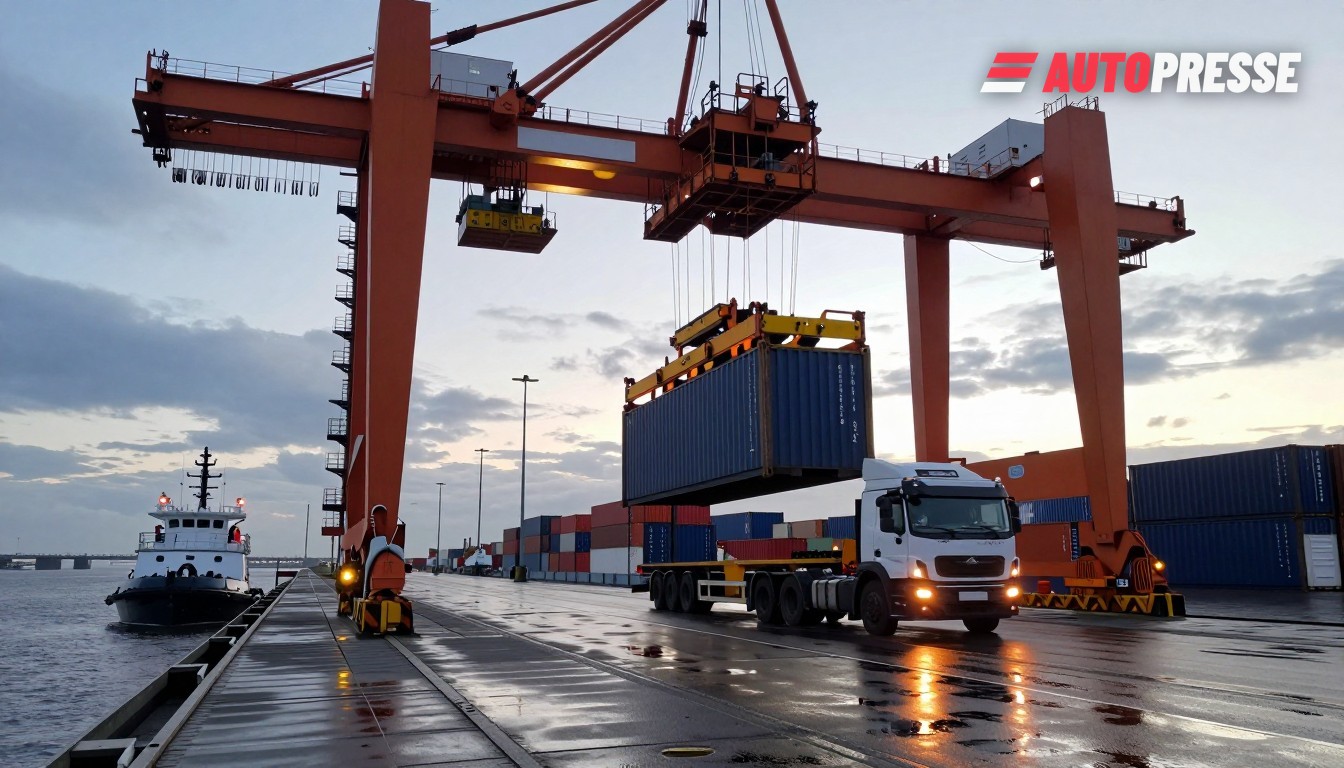
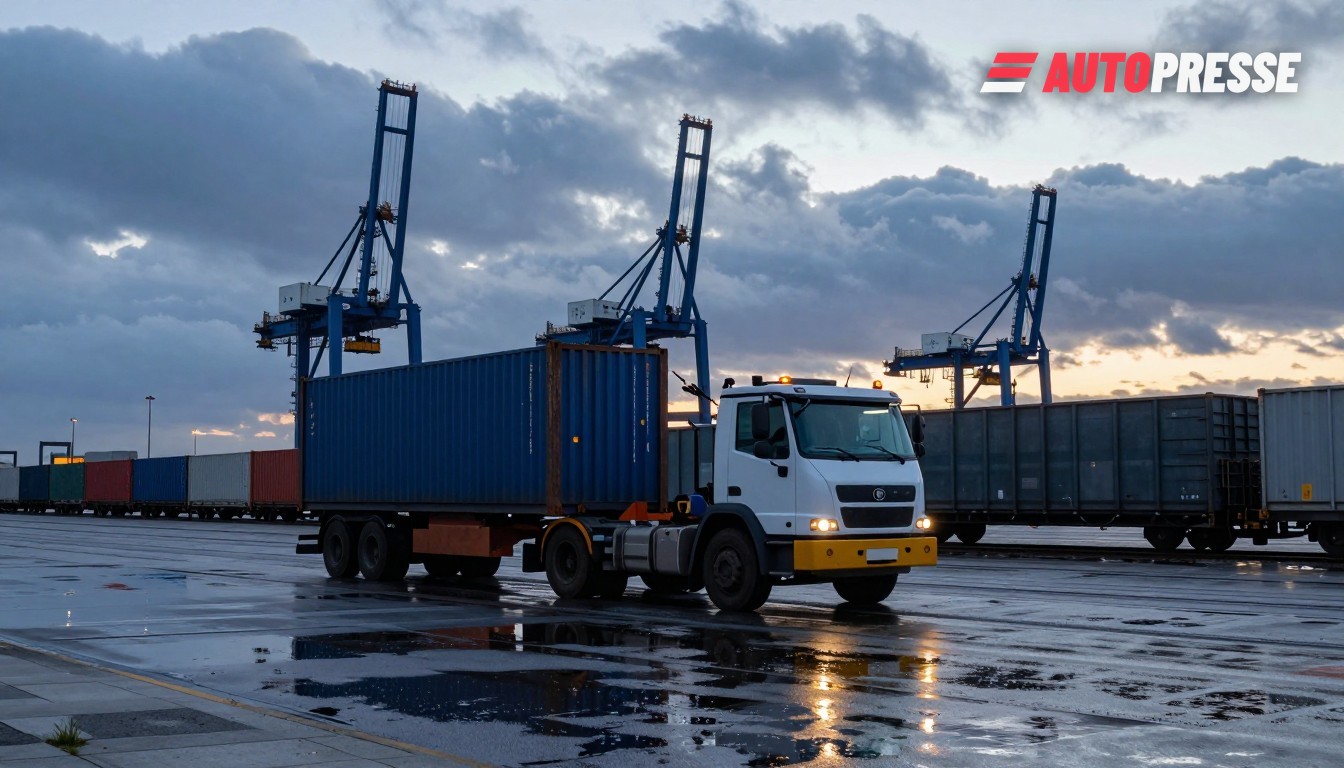
Operational upgrades are already arriving: Austria’s Wels intermodal terminal received new gantry cranes and improved rail access at the end of October 2026, a project financed by ÖBB and the EU that will allow freight trains to enter the terminal from both directions and reduce operational constraints. The delivery was reported on 29 October 2026.
Germany: hydrogen, batteries and truck pilots reshape fleets
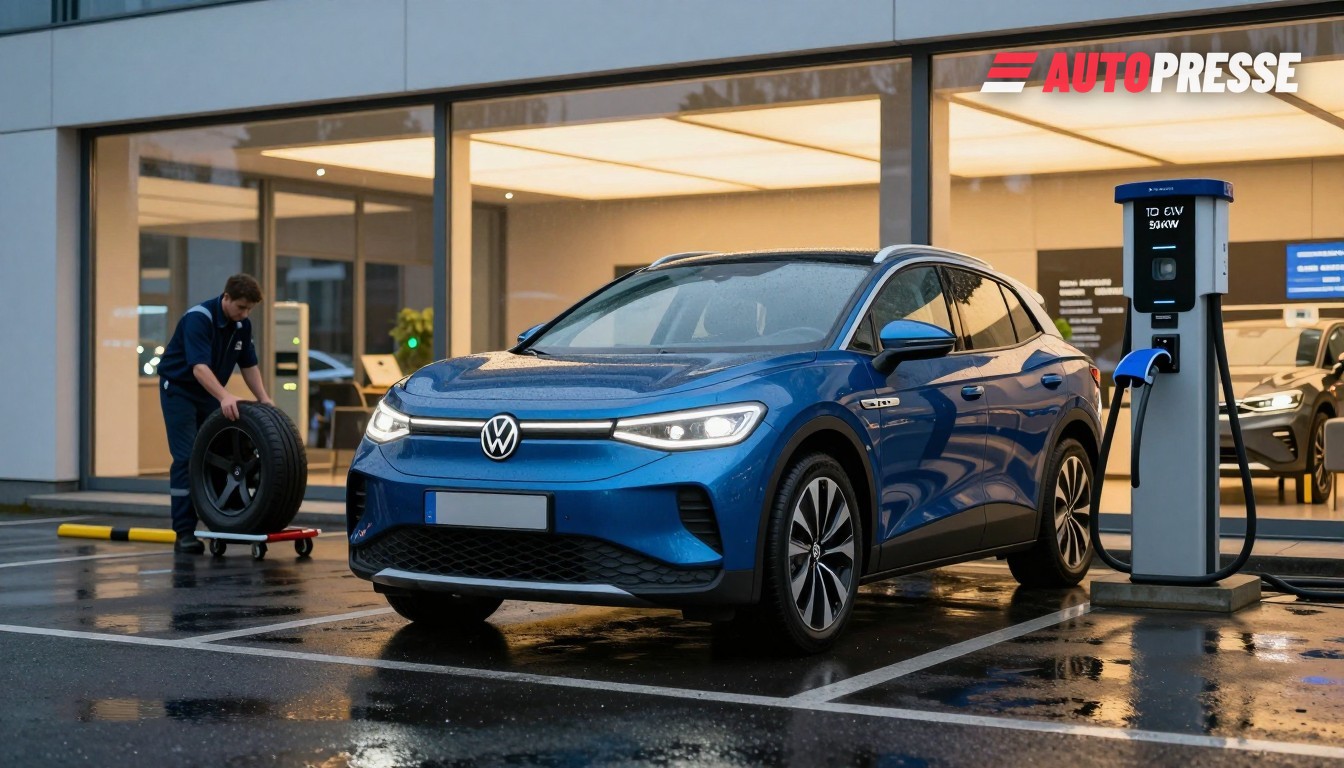
Across the border Germany — and major truck makers operating there — are pushing battery and hydrogen trucks to decarbonise road freight. At IAA Transportation 2026 Daimler Truck and partners outlined plans to scale hydrogen trucking in Germany as a launch market for Europe; their approach links subsidies, supply incentives and operating support such as toll exemptions for zero‑emission HGVs.
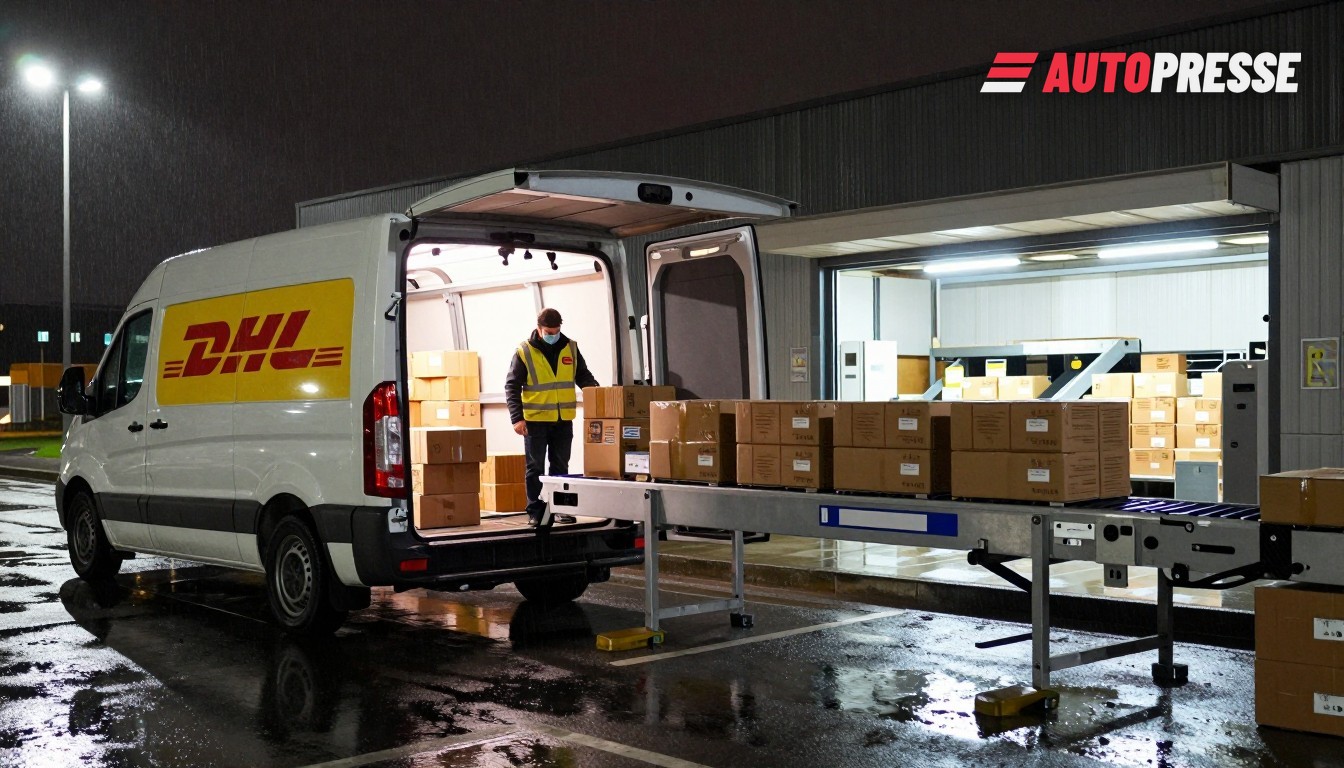
Fleet pilots and early rollouts are tangible: Deutsche Post DHL Group moved the first Europe‑built SuperPanther eTopas 600 into regular operation in October 2026, and MAN has been running eTrucks in inbound logistics since early 2026 to demonstrate operational benefits. Those moves underline that battery electric trucks are moving from pilots to daily service on short and regional lanes.
What ties the two strategies — and where they clash
The logic driving both capitals is simple: Austria is adding rail capacity to capture transalpine freight, while Germany is trying to make road freight cleaner. But infrastructure timing threatens to blunt the benefits. Analysts warned in April 2026 that the Brenner Base Tunnel risks being underused if connecting access routes on the German side are not completed in step with the tunnel, creating a mismatch between new Austrian rail capacity and transalpine rail access.
At the same time, European studies and industry reports in 2026 show e‑truck adoption is accelerating but uneven: battery trucks dominate short and medium haul while hydrogen is proposed for heavier, long‑haul segments — a combined transition that will require coordinated charging and refuelling infrastructure plus operational changes for shippers and terminals.
What this means for the market
Logistics managers and fleets should expect three practical consequences. First, Austrian intermodal capacity (new cranes at Wels, ÖBB’s framework plan) will attract more origin/destination freight — but shippers will watch German access timelines closely because the Brenner corridor’s efficiency depends on cross‑border links.
Second, truck buyers and fleet planners in Germany will accelerate procurement of battery and hydrogen trucks: pilots from MAN and Deutsche Post DHL demonstrate operational rollout, and IAA 2026 signalled industry co‑investment in hydrogen infrastructure that could change long‑haul economics if implemented at scale. Expect leasing products, total‑cost‑of‑ownership models and depot investments to surge in 2027–2029.
Third, terminals and forwarders that can offer seamless intermodal handovers and rapid depot electrification/refuelling will win market share. That makes Wels and similar upgrades commercial assets — but only if cross‑border track and energy networks follow the same timetable.
WorldTrader24 B2B-Fahrzeugmarkt für Händler entdecken →
Sources: HHLA, Daimler Truck, Deutsche Post DHL Group, MAN Truck & Bus, ÖBB, AdriaPorts, ING Think