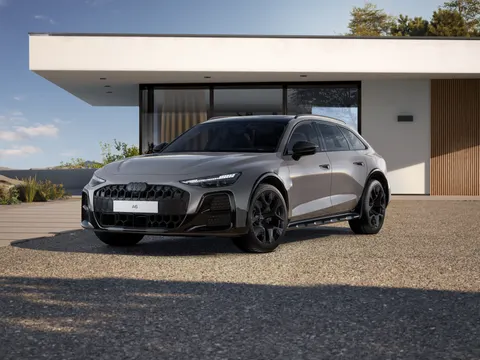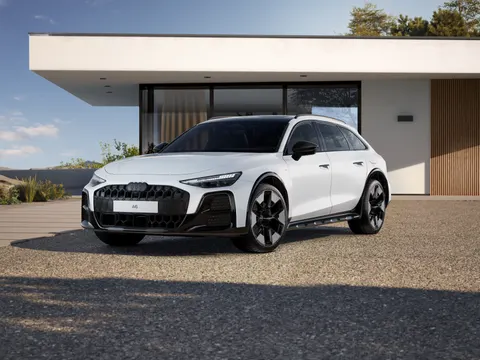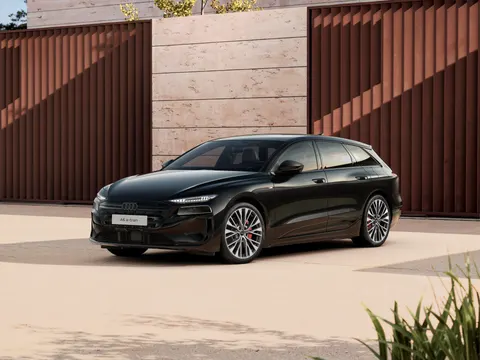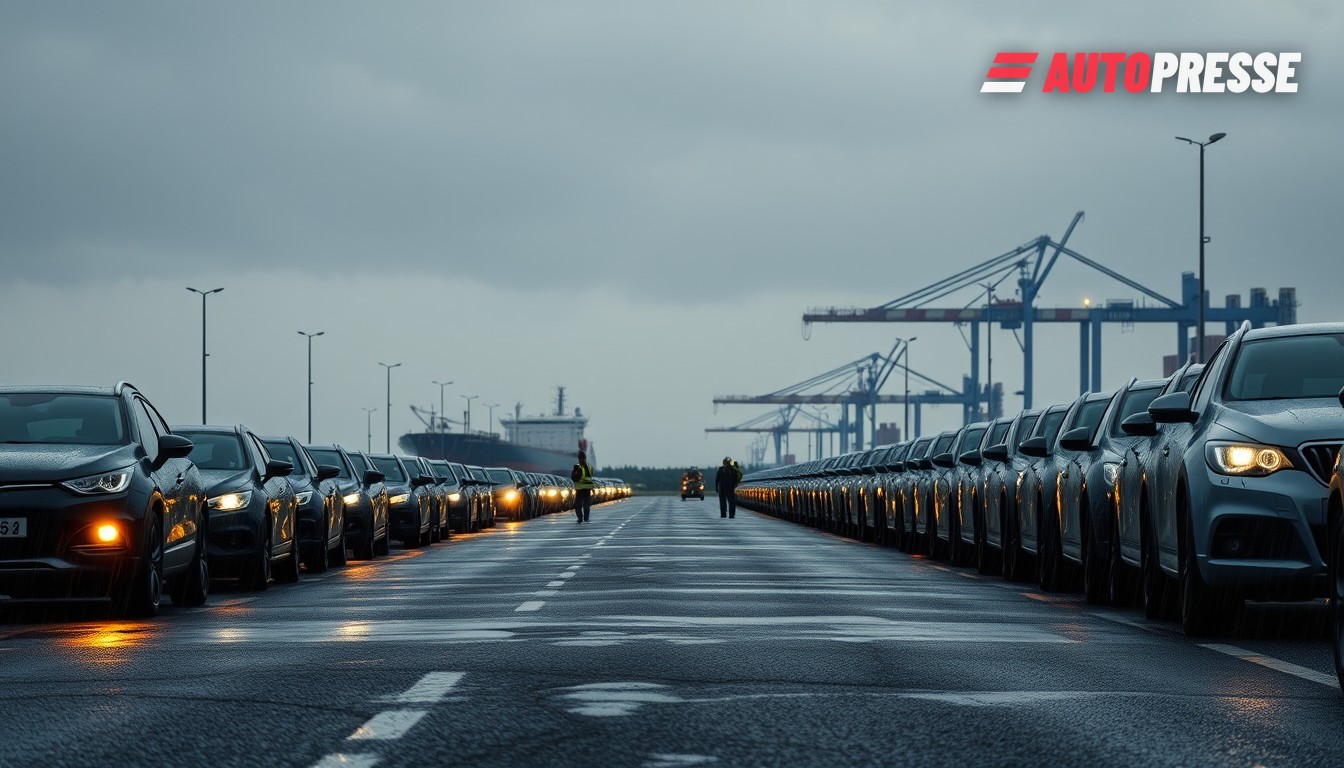
Germany’s export engine shows strain while logistics capacity tightens — a double squeeze that matters to drivers, dealers and freight operators across Germany and Austria. New data show smaller outbound volumes for German passenger cars, growing pressure on ports and inland transport, and an acute shortage of professional truck drivers that is already limiting operations in both countries.
Numbers that reshape routes and yards
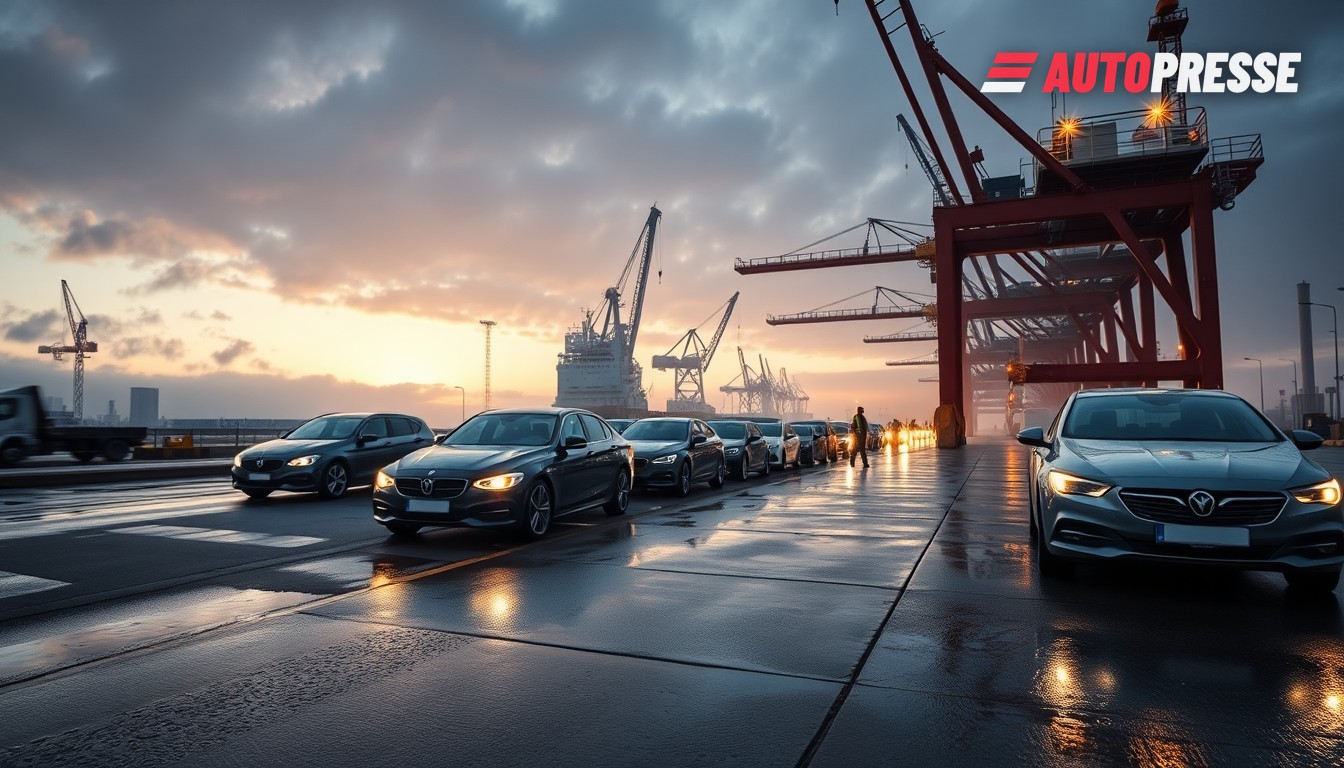
Official trade figures underline the shift: new‑car exports from Germany fell to 185,849 units in August 2026, a decline of 9.4% versus August 2025. The monthly series — compiled from Statistisches Bundesamt data — records five consecutive months below the prior year and the lowest August result since 2022.
Even so, Germany remains by far the EU’s largest car exporter: Eurostat reports that in 2024 Germany accounted for 54.7% of all motor‑car exports originating in the EU, far ahead of the next countries. That scale means changes at German plants and ports quickly ripple through European supply chains.
On the demand side Austria is showing mixed signals: Statistics Austria reports that new passenger‑car registrations rose sharply in September 2026 (+12.5% month‑on‑year) and that all‑electric cars were up 80.6% for the month; meanwhile Austria recorded a goods trade surplus of €268 million in July 2026 — the first monthly surplus after 21 months — driven by a 6.7% rise in exports. Both numbers affect cross‑border vehicle flows and warehousing needs.
Capacity stress: ports, trucks and container flows
Global container and Ro‑Ro throughput give a mixed signal: the RWI/ISL Container Throughput Index edged up only marginally (to about 141.9 in August 2026), indicating that world trade is broadly stable but not booming — a context in which regional bottlenecks (ports, rail links and last‑mile trucking) become the constraining factor. Northern European ports remain critical nodes for German and Austrian automotive flows.