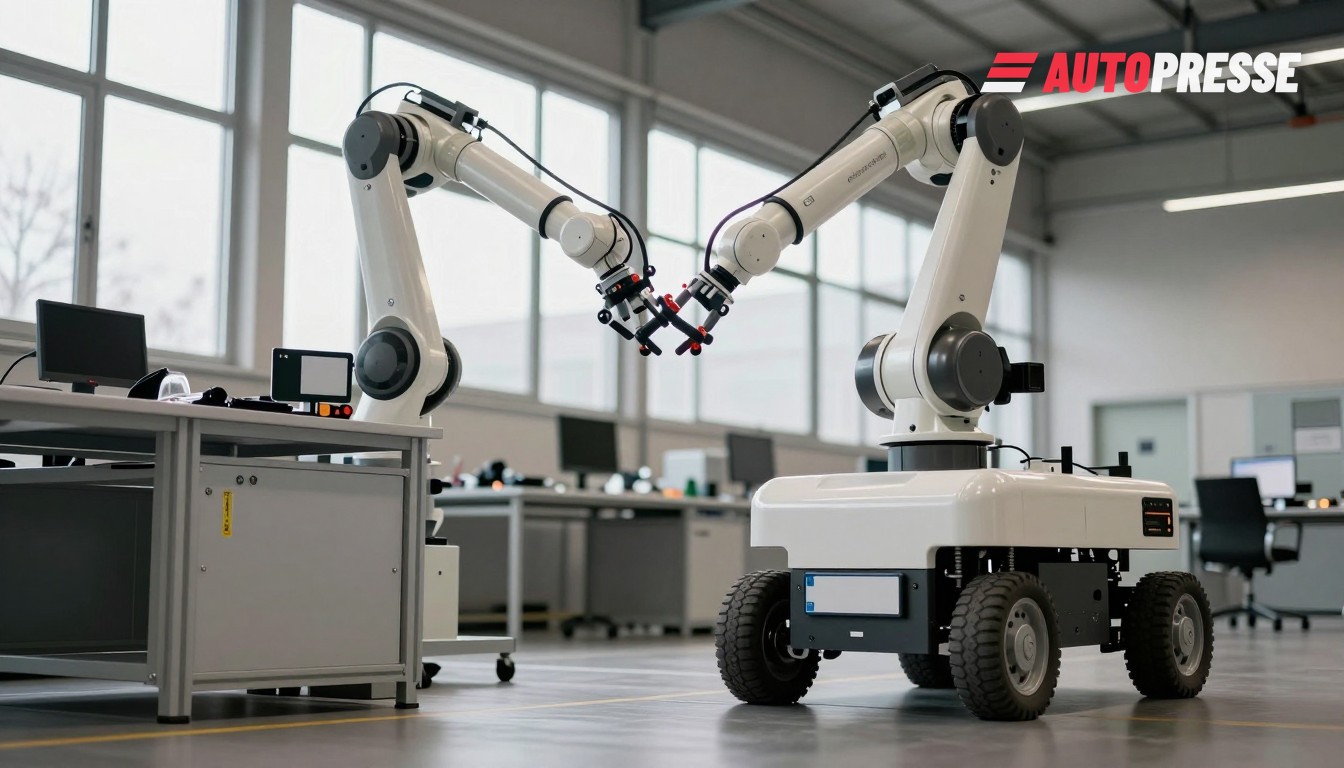
Germany’s push to put artificial intelligence into the factory has a new headline: Agile Robots, the Munich‑born maker of mobile humanoids and industrial AI, closed a $500 million funding round that values the company at $8.5 billion — a deal investors say will bankroll rapid expansion of production and international roll‑out.
What happened
The funding round, led by SoftBank with participation from Nvidia and Hitachi, was announced on 12 November 2026 and reported by international wire services. The company said the capital will accelerate growth in the United States and expand production capacity in Germany.
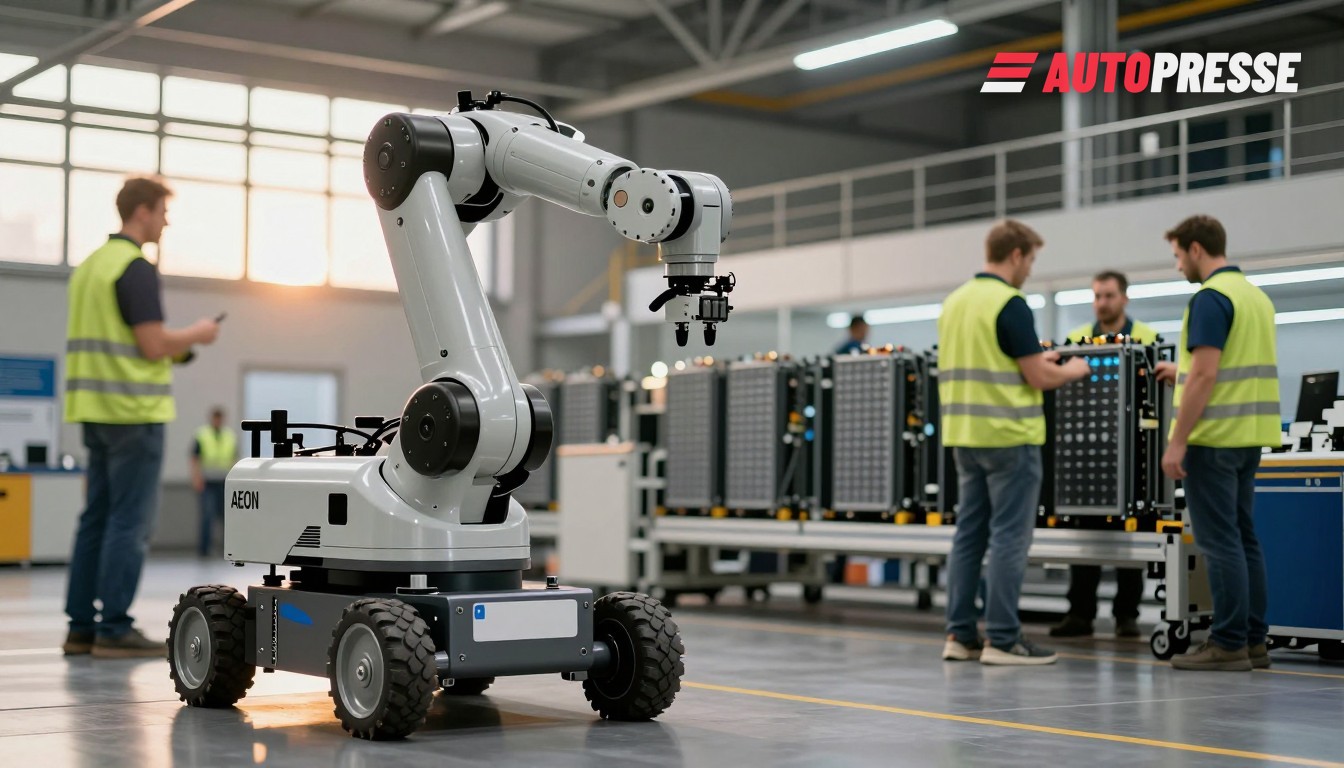
Agile Robots and independent reporting note the business already sells into the automotive sector: the firm says it has deployed around 20,000 robot solutions across industries including automotive, and earlier this year opened a factory outside Munich (Fürstenfeldbruck) the company says can produce up to 10,000 humanoid robots annually.
How automakers are using 'physical AI'
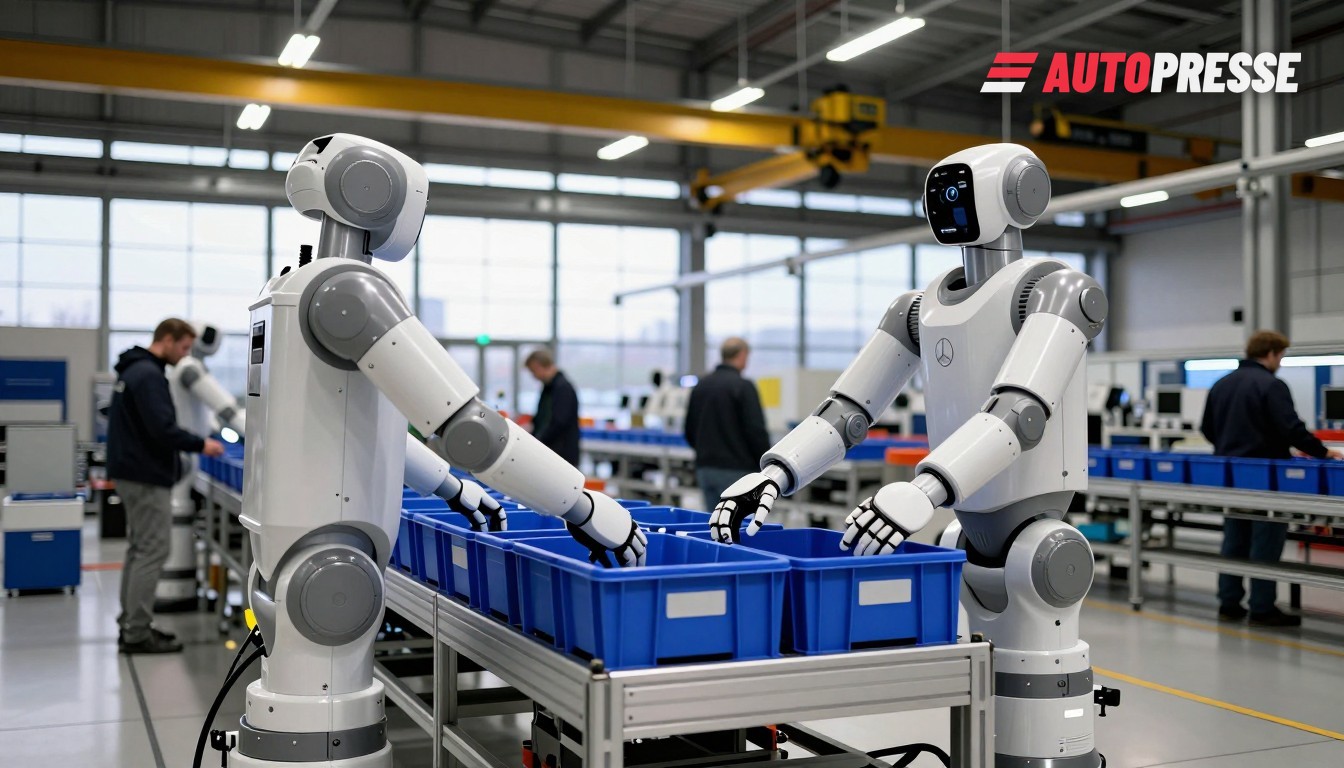
Manufacturers are not experimenting at the edges only. Audi is testing Agile Robots’ mobile humanoids for parts sequencing in its Ingolstadt Production Lab — a concrete proof‑of‑concept where AI‑driven arms and mobile bases pick mixed components and place them in the exact order needed for final assembly. Audi framed the work as a way to reduce repetitive load on line staff while keeping complex sequencing in‑house.
Agile Robots describes the approach as “Physical AI”: combining on‑robot perception, dexterous hands and mobile platforms with continuous data from the factory floor so robots learn and improve in real time. The company’s founder and CEO, Dr Zhaopeng Chen, said the model of making robots and using production data in the same place shortens the development loop and speeds deployment.
What this means for the market
For dealers, workshops and line workers the immediate consequence is not fewer jobs but a change in the shape of work. Automotive plants and logistics hubs will increasingly rely on AI‑driven automation for high‑variant tasks — parts sequencing, kitting and intra‑plant transport — that were previously hard to automate. That shifts routine, repetitive tasks to robots while raising demand for technicians, integrators and AI‑literate maintenance staff on the shop floor.
For suppliers and mid‑tier vendors it creates new opportunities: components for dexterous hands, edge AI sensors and safety‑certified mobile bases become first‑order items, not niche extras. For buyers and fleet operators, the visible effect will be smoother logistics, potentially faster ramp times for new models and fewer line stoppages caused by manual sequencing errors.
Finally, the investment also signals where capital sees growth: not only software LLMs but ‘physical AI’ — robots that combine AI perception, continuous learning and industrial robustness — are earning big cheques in Germany. That matters for regional competitiveness as OEMs seek partners who can scale from pilot to volume production.
Shortly: the round puts more compute, production and working humanoids onto German factory floors — and that will change workflows across the supply chain.
WorldTrader24 B2B-Fahrzeugmarkt für Händler →
Sources: AFP, Reuters, Audi, Agile Robots, Bloomberg