Germany and Austria are seeing a quiet but important shift in charging technology: instead of waiting months or years for grid upgrades, charge‑point operators are adding on‑site battery buffers and central card terminals to open more fast chargers quickly. That matters to drivers, fleets and dealers because it reduces queueing on holiday routes, lets logistics firms run electric trucks, and gives dealerships a clearer route to sell more BEVs today.
How battery buffers and single‑point payments work
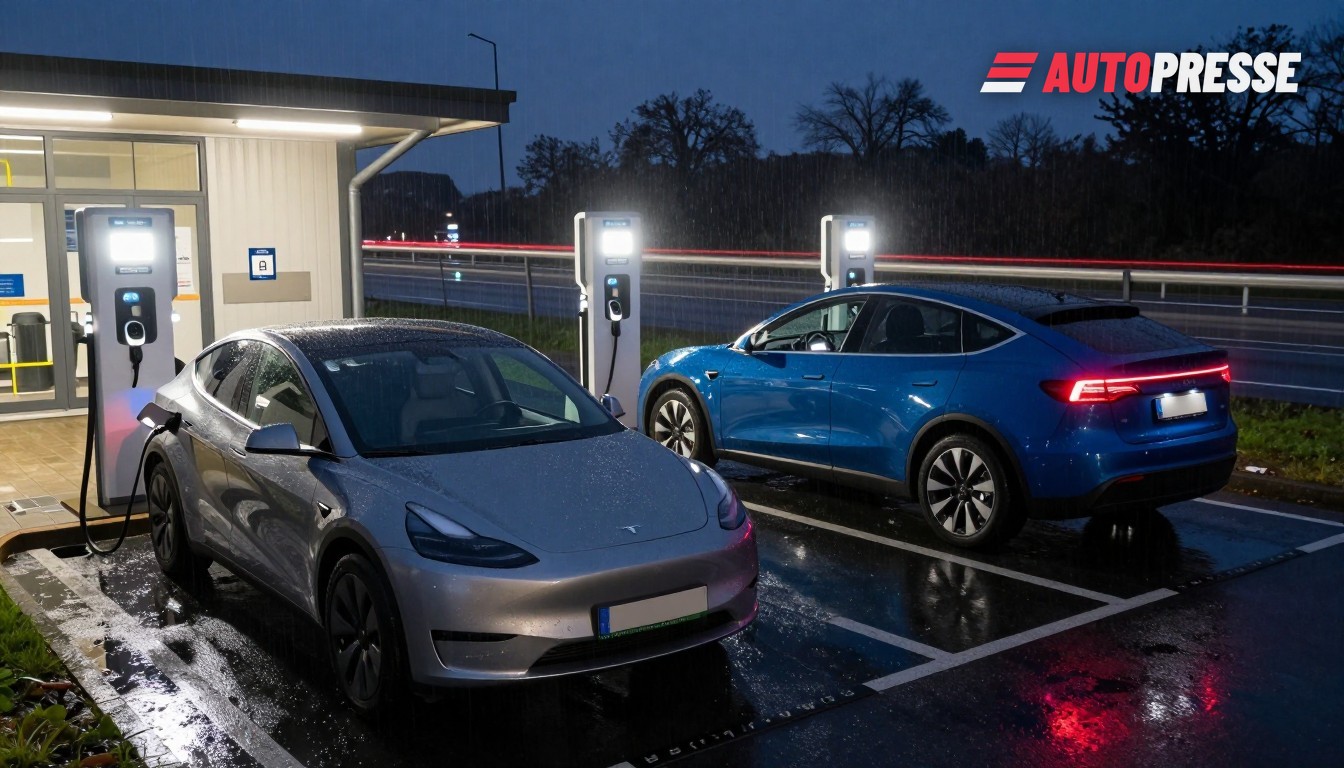
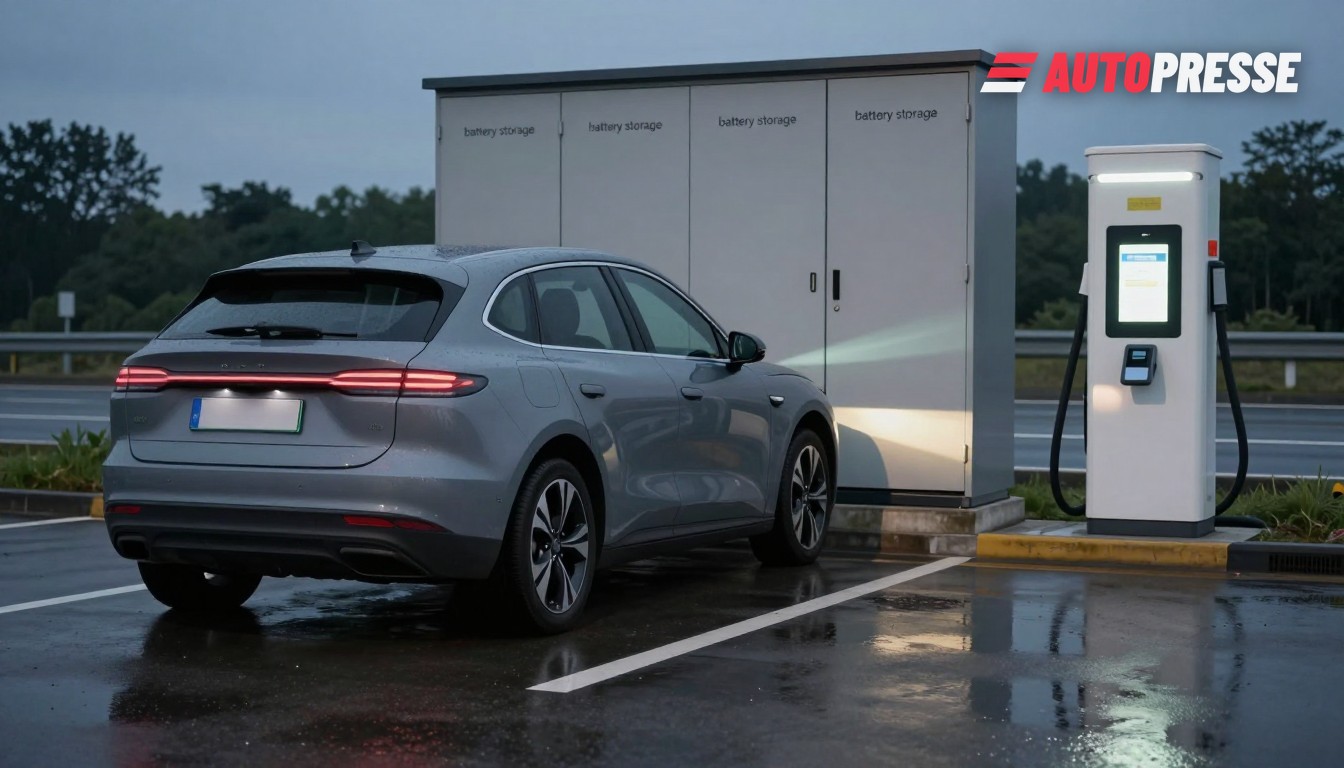
IONITY has switched on its first battery‑buffered charging park at Wertheim (Baden‑Württemberg): a Sungrow system of 1,028 kWh capacity and up to 500 kW output that allowed the site to expand from four to six Alpitronic HYC400 fast chargers immediately, with two further chargers planned. IONITY told electrive it plans roughly 50 such battery energy storage systems across Europe in 2027 — more than 20 MWh in total — to bridge limited medium‑voltage grid connections and speed new openings.
At the same time IONITY has rolled out a central “Birdhouse” card terminal at selected parks so ad‑hoc customers can pay by contactless card without retrofitting a payment unit to every charger. electrive reports the Birdhouse units are already installed at more than 60 German locations and are part of AFIR retrofits affecting 464 sites across 22 countries. The move reduces construction complexity and helps older sites meet new EU payment rules.
Austria’s commercial hubs and fleet electrification
Austria shows the same practical approach from the fleet side. Waste‑logistics group Brantner Green Solutions has integrated 13 e‑trucks into daily service in 2026 and opened two partly public high‑power charging parks in Krems and Hagenbrunn (plus an internal depot in Theiß) to support them; company materials say the sites supply high‑power charging and significant on‑site renewable generation and energy management. Those hubs demonstrate how Austrian fleets pair charging hardware and local energy to avoid grid bottlenecks.
What this means for the market
Three practical consequences follow. First, battery buffering is a fast workaround: for many motorway or depot sites a 1 MWh buffer can deliver several dozen 10–80% family‑car sessions or multiple truck charges before the grid needs upgrading, cutting the calendar for usable new chargers from years to months. IONITY explicitly says the storage can bridge grid‑upgrade waits of up to three years at some locations.
Second, simpler payment hardware like the Birdhouse lowers retrofit costs and helps operators comply with AFIR‑style rules without rebuilding every charger. That reduces the marginal cost of turning on additional plugs at mature sites and should improve the ad‑hoc experience for occasional cross‑border travellers in Germany and Austria.
Third, the Austria example shows fleets are rapidly becoming the testbeds for scalable high‑power charging and energy management: when a company owns the depot and the vehicles it can optimise charging schedules and on‑site generation, accelerating electrification without waiting for national grid upgrades. Brantner’s high‑power parks are live proof of that model.
For drivers this means fewer “charging deserts” on long trips and more dependable depot charging for professional fleets; for dealers and fleet managers it makes BEV ownership easier to guarantee to customers and corporate buyers. Expect more CPO announcements like Wertheim in the next 12 months as operators prioritise pragmatic BESS and payment solutions over long grid permits.
Electric vehicle offers on WorldTrader24 →
Sources: electrive, IONITY, Brantner Green Solutions, EV Kurier, EV Magazine