Electric mobility in Germany and Austria is no longer an experiment: Austria recorded a battery‑electric (BEV) share of 35% of new passenger‑car registrations in October 2026, while Germany’s public high‑performance charging network now counts 40,320 points — a concrete sign that EU‑scale demand is meeting industrial supply and grid pilots. These numbers matter for drivers, fleets, dealers and workshops: they change where customers charge, how workshops train and which parts and recycling streams grow next.
Infrastructure and grid integration: fast chargers and V2G move from pilot to product
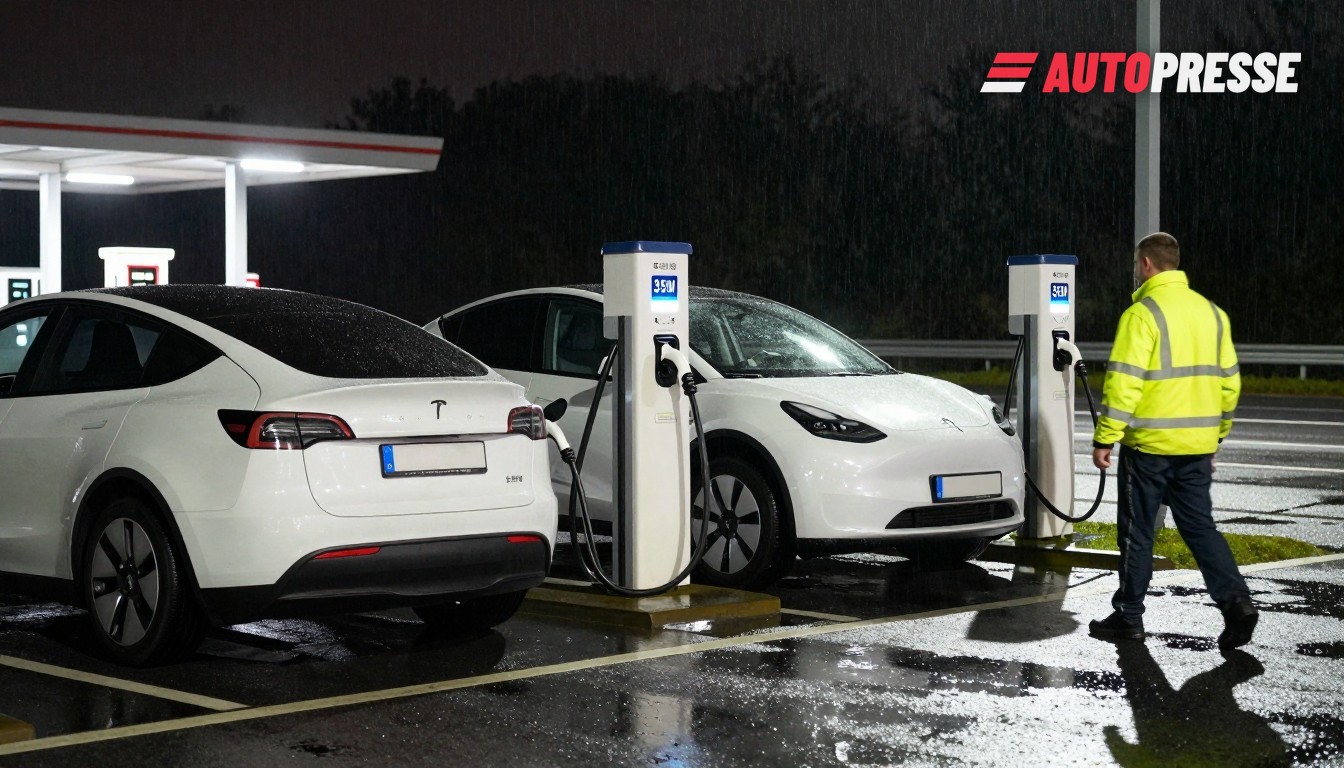
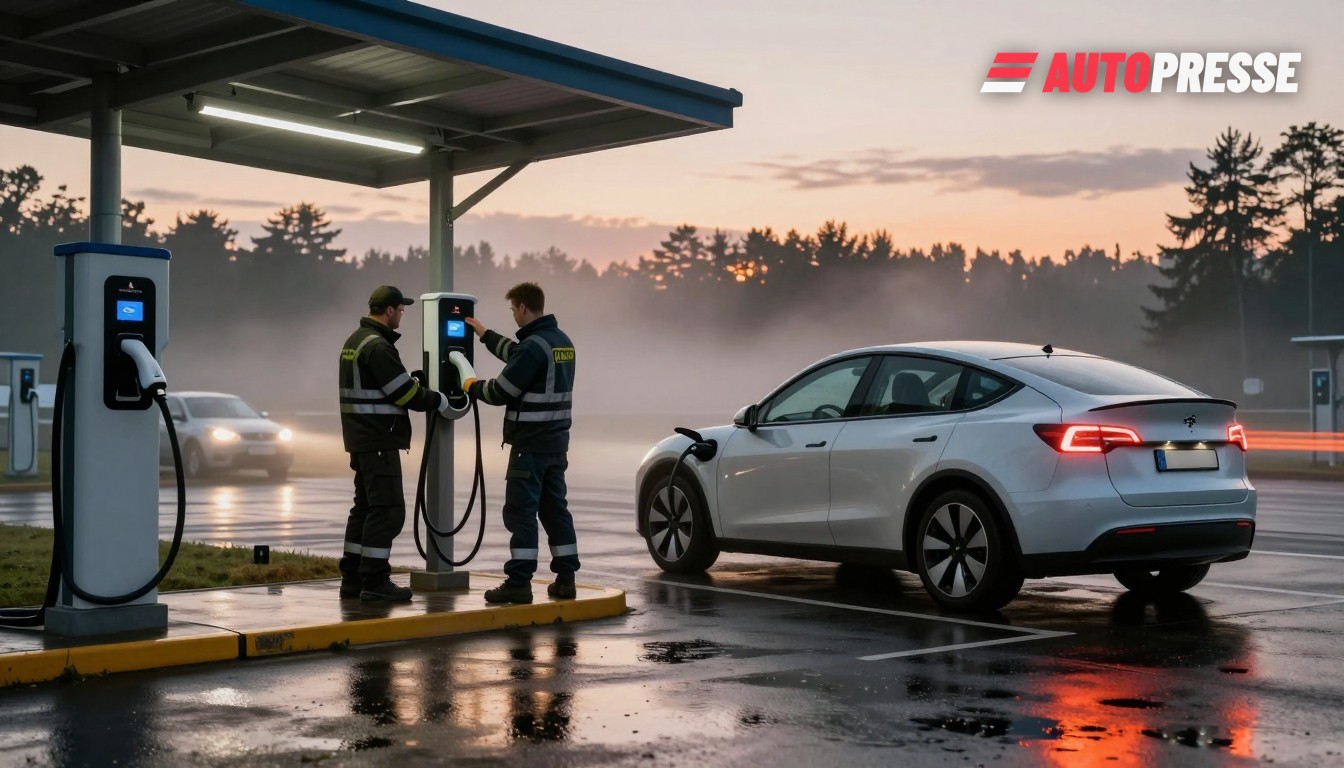
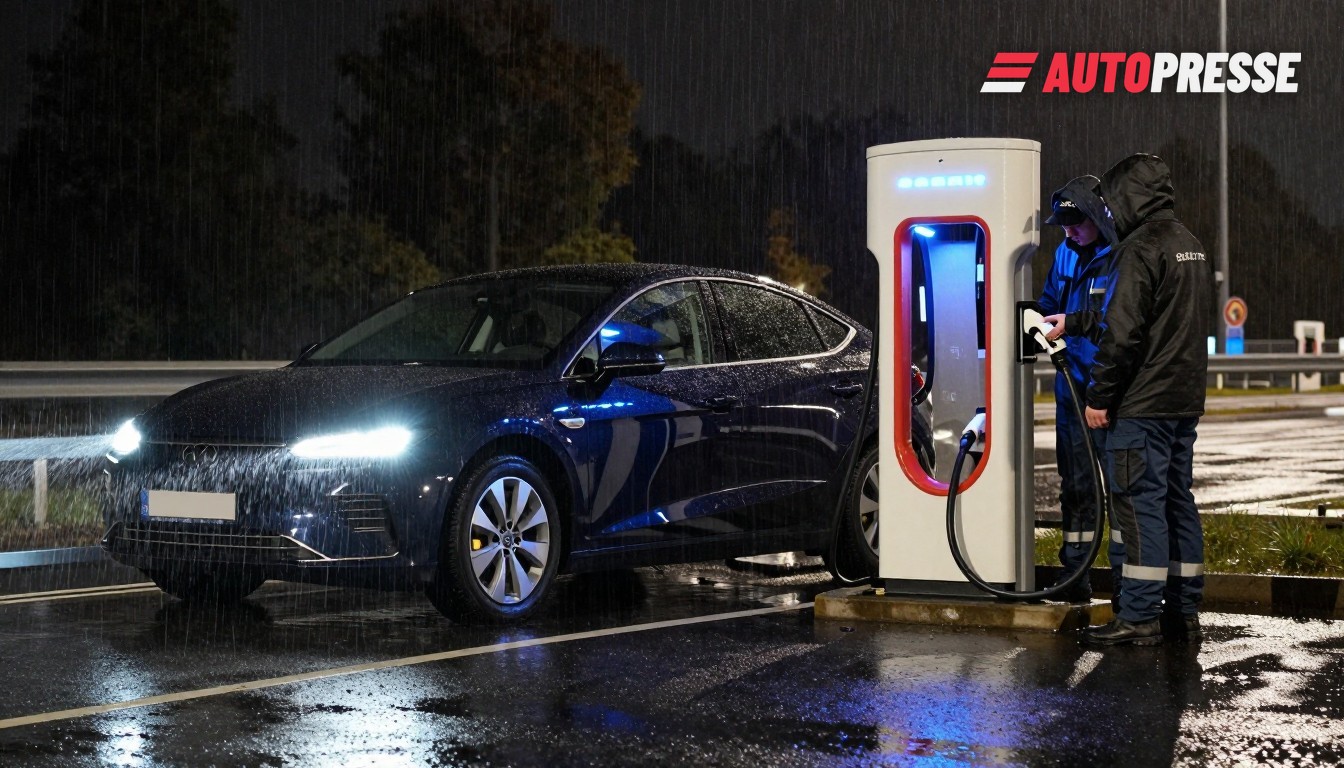
Germany’s industry association VDA reported on 3 November 2026 that high‑performance chargers (HPC) now number 40,320 — they make up roughly 19% of public charging points and are concentrated on inter‑urban corridors and major hubs. The VDA ranking also warned that around three in ten municipalities still lack any public charging points and that more than six in ten have no fast chargers, highlighting a geographic imbalance.
At the same time, vehicle‑to‑grid (V2G) services are being commercialised. Volkswagen Group and its energy arm Elli announced a market offer for private customers in Germany with bidirectional charging planned from Q4 2026 — part of an integrated package of a BiDi charger, a V2G tariff and an app. The move follows other industry pilots and marks the first major carmaker roll‑out aimed at turning parked EV batteries into grid flexibility.
Chips, recycling and capacity: industrial moves in DE & AT
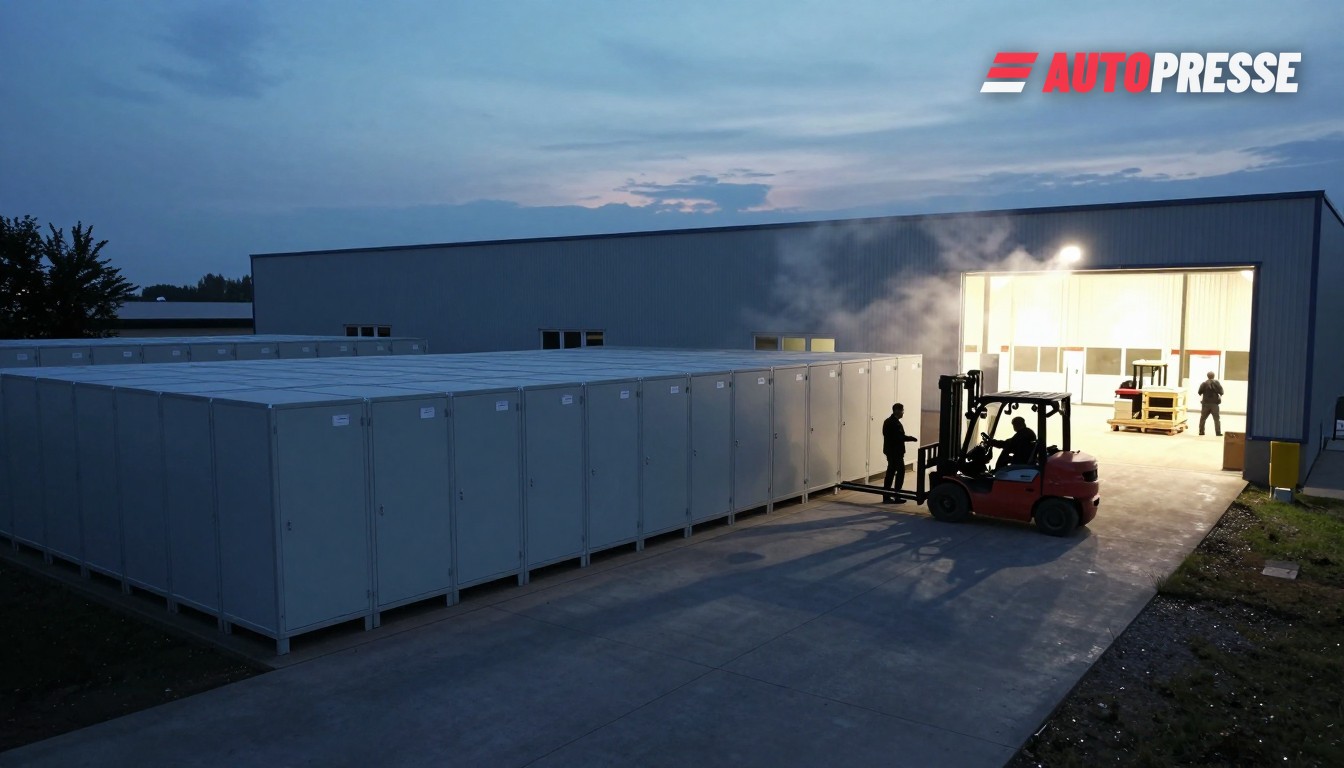
Semiconductor supply is likewise reshaping local industry. Infineon announced on 27 October 2026 that it will build Europe’s first high‑volume facility for GaN power semiconductors on 300‑mm wafers — a billion‑euro scale investment described as one of Austria’s largest high‑tech projects. That capacity expansion targets power electronics for EV inverters, chargers and industrial converters, directly feeding demand from German and Austrian OEMs and suppliers.
On the market front, Austria’s new‑car registrations rose 10.7% January–October 2026 versus the same period last year; the government highlighted that two‑thirds of the increase came from alternative‑drive vehicles. Statistics Austria published the provisional data on 10 November 2026, underlining why manufacturers and dealers are prioritising BEV stock and service readiness.
What this means for the market
Practical consequences are immediate. Dealers and service networks must train technicians for high‑voltage diagnostics and battery servicing as BEV share rises; workshops will need tools for charging‑system diagnostics and battery recycling logistics. Fleet operators in Austria and Germany will increasingly use V2G and time‑of‑use tariffs to cut energy costs — but uptake will depend on tariff design and certified chargers. Policymakers and grid operators must address the remaining charging deserts: VDA’s November 2026 data show capacity growth, but also clear regional gaps that risk creating two‑speed electrification.
For suppliers, Infineon’s 300‑mm GaN investment signals that Europe expects to produce more power‑electronics locally; that reduces reliance on overseas imports and supports higher‑power charging and compact inverters. For consumers, a higher BEV registration share in Austria (35% in October 2026) means more model choice, but also pressure on urban charging and workshop availability as fleets and private cars concentrate in the same networks.
Electric vehicle listings on WorldTrader24 →
Sources: VDA, Statistics Austria, Volkswagen Group (Elli), Infineon Technologies, BMIMI.