Germany and Austria are no longer only counting EVs — they are wiring software updates, building recycling lines and plugging charger gaps that matter to drivers, dealers and factories. Recent industry data show fast growth in public charging and a parallel push on battery circularity and vehicle software that will affect buyer choice, workshop skills and grid planning.
Infrastructure: chargers and the grid
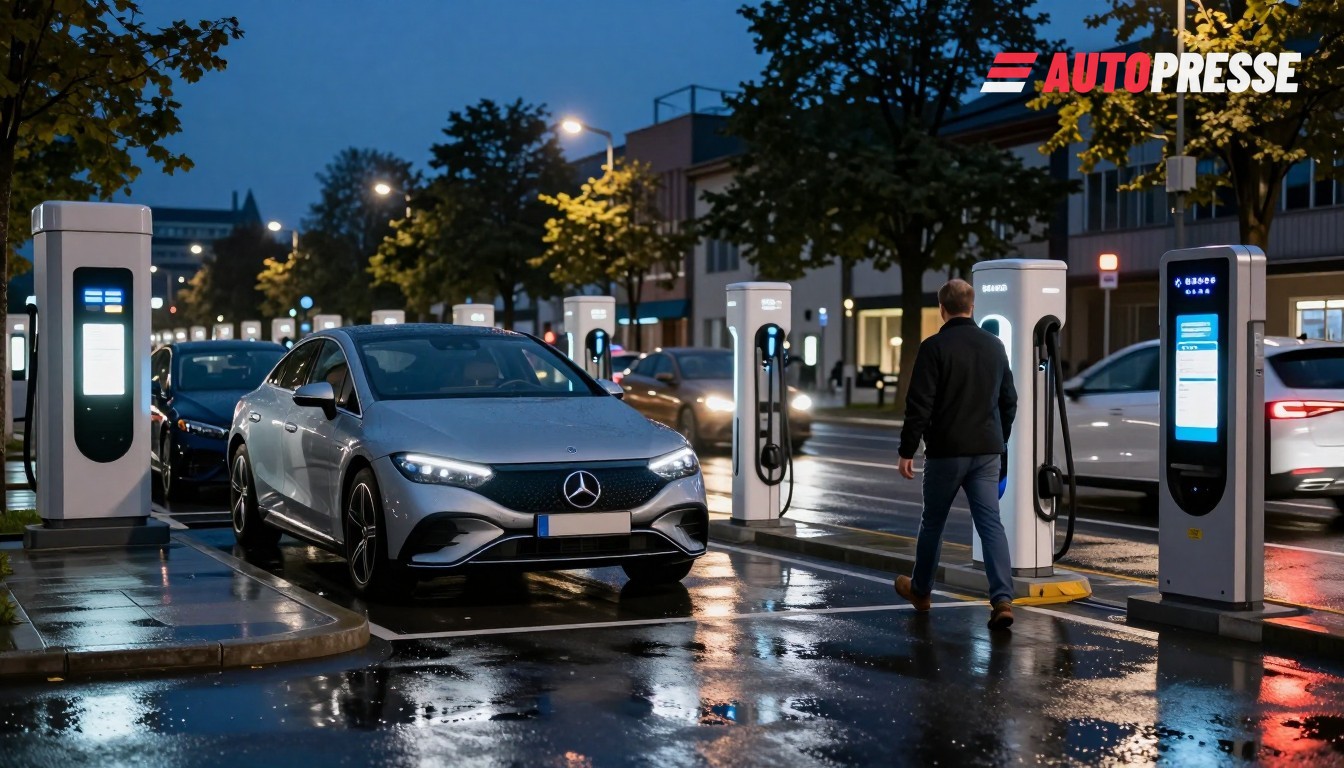
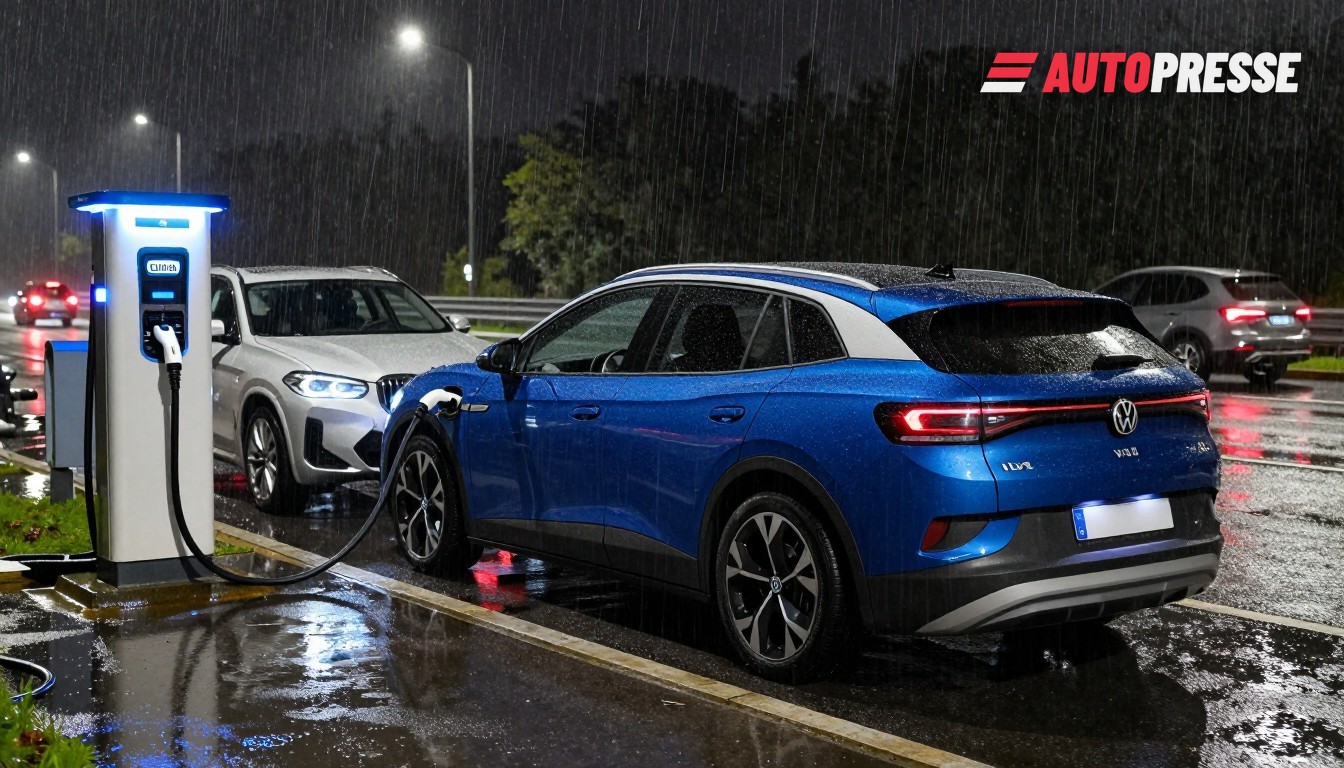
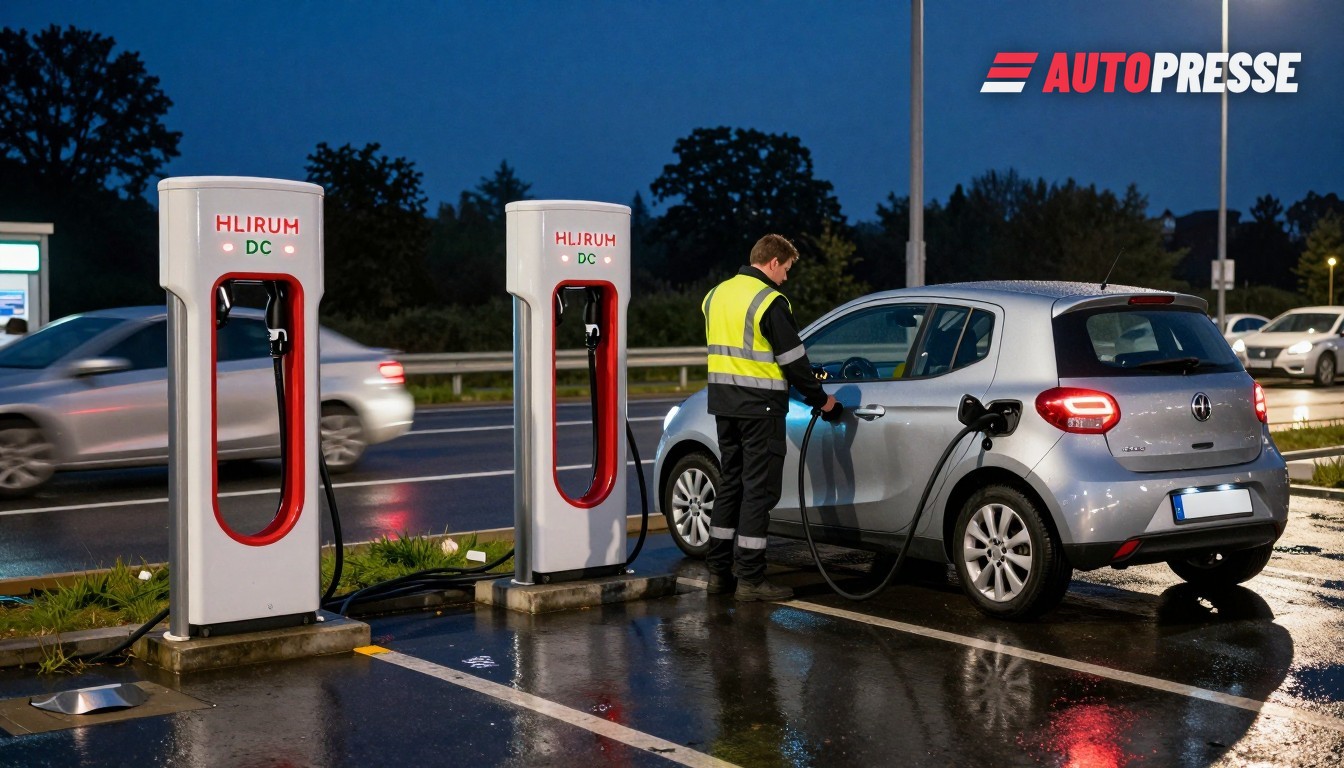
Public charging in Germany has expanded sharply: the VDA summarised Bundesnetzagentur figures showing roughly 214,434 publicly accessible charging points (55,572 classed as fast‑charge points in the BNetzA update) at the start of October 2026, while the VDA warned that about 30% of German municipalities still lack a single public charger — a clear sign that deployment remains uneven between urban and rural areas.
Across the border Austria’s national competence centre reports 40,569 publicly accessible recharging points (28,729 normal <23 kW, 6,431 fast 23–150 kW and 5,409 ultra‑fast >150 kW) and an average of about 7.9 BEV cars per public recharging point — figures compiled by AustriaTech from E‑Control data (data status 05/10/2026). That mix gives Austria relatively dense coverage in some federal states but leaves regional gaps that planners are still addressing.
Circularity and software: from modular dismantling to OTA scale
Industry and research in both countries are pushing battery circularity rather than simple disposal. In Austria, a consortium led by plant‑builder FILL and supported by the national automotive cluster has published results from the “BattBox” project — a modular, automated approach to dismantling traction batteries that aims to make safe, repeatable pre‑treatment and second‑life assessment commercially viable. The project underlines a broader Austrian R&D push on second‑life and local pre‑treatment.
Germany is scaling a diverse set of recycler projects and capacity expansions (multiple plant projects and black‑mass facilities are listed in industry trackers and the Battery Atlas 2026 overview), signalling that domestic recycling capacity is catching up with rising scrap volumes and EU battery‑regulation requirements. Those plants range from pilot dismantlers to larger chemical refiners being commissioned or expanded in 2026.
On the software side, OEMs are turning fleetwide. BMW announced that some 16 million vehicles in 88 countries are now capable of over‑the‑air (OTA) updates, bringing new features, safety updates and range optimisations to cars long after delivery — a development that shifts value from hardware to software and forces dealers and workshops to add new digital skills.
What this means for the market
For drivers: denser urban charging and more OTA‑delivered features promise convenience, but rural ‘white spots’ and inconsistent fast‑charger availability still make some longer trips tricky without route planning. For dealers and workshops: software updates, battery diagnostics and safe dismantling procedures are fast becoming core competencies — training and investment will be essential. For suppliers and local economies: modular pre‑treatment and recycling plants create new upstream demand (mechanical handling, chemical processing, testing) that can anchor value in Germany and Austria rather than exporting black mass. The grid challenge remains central: a bigger, faster charger fleet requires coordinated network reinforcement and smarter load management to avoid bottlenecks.
Electric vehicle listings on WorldTrader24 →
Sources: VDA, AustriaTech, BMW Group, Battery Atlas, Automobil‑Cluster (Business Upper Austria)