Motorists, fleets and dealers across Germany and Austria are feeling the squeeze as rising workshop rates, pricier spare parts and the technical complexity of modern cars push insurance claims and premiums higher. The German Insurance Association (GDV) says workshop hourly rates rose by an average 7.5% in 2025 and that insurers’ claims payouts are set to increase by more than 10% to roughly €35 billion in 2026; premium income is expected to grow more slowly, leaving a near‑break‑even combined ratio of about 99%.
Why repairs are getting costlier
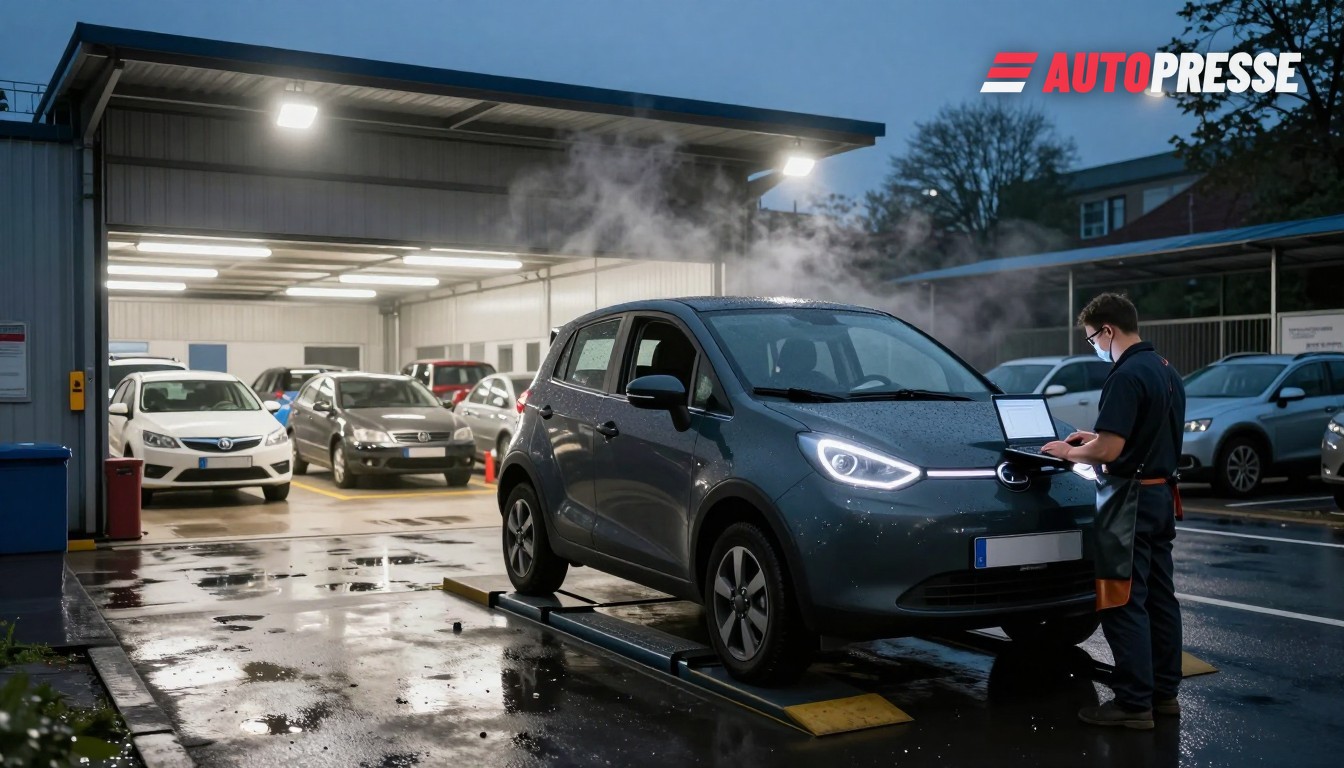
Insurers and risk analysts point to two structural drivers: more elaborate safety and sensor systems that require recalibration after even minor damage, and the specific costs of electric‑vehicle components. The GDV’s trend analysis finds that additional vehicle technology will raise repair costs by a further 4–5% through 2040 even before inflation is taken into account, and that replacing a windscreen in a car with driver‑assist sensors can cost around 15% more because sensors must be replaced and recalibrated. “Technology is making driving safer, but not automatically cheaper,” says Anja Käfer‑Rohrbach, deputy CEO at the GDV.
International studies back up the picture for EVs: recent insurer research shows repair costs for battery electric vehicles have been materially higher in some markets (about 23% higher in France and around 25% in the UK in recent analyses), partly because of heavier structures, materials and battery‑related work — although frequency of claims is often lower for EVs.
Where Germany and Austria differ
Germany’s GDV figures set the tone for markets and policy debates: between 2017 and 2025 workshop hourly rates climbed by roughly 62% and spare‑part prices by around 60%, far outpacing general inflation — a trend the GDV says has driven insurers to raise prices and tighten underwriting. For 2026 the association expects insurer payout growth of more than 10% to ~€35bn while premiums rise by about 7% to c. €41bn.
In Austria the market response is visible in insurer results and consumer‑club warnings. Vienna Insurance Group reports that motor (Kfz) premiums contributed to a 6.1% increase in billed premiums in its 2025 group report, and the ÖAMTC has repeatedly warned that repair costs and battery questions are material factors consumers should consider when choosing EVs — and has pushed for batteries that are easier and cheaper to repair or replace.
What this means for the market
Higher underlying repair costs will have three practical effects. First, many drivers should expect higher comprehensive (Kasko) premiums or steeper increases at renewal as insurers pass through costs; German insurers forecast only a small underwriting margin in 2026. Second, workshops face pressure: higher hourly rates and specialist calibration work mean capacity and technician skill will become more valuable and more expensive. Third, manufacturers and parts suppliers will feel the commercial incentive to re‑engineer components and service processes — from modular, repair‑friendly battery packs to cheaper sensor calibration routines — because insurers and consumer clubs are already campaigning for repairability.
For drivers and fleets the practical takeaways are immediate: compare offers at renewal (many German and Austrian consumers can change insurers within a month of notification), prioritise certified workshops for EV and ADAS work, and demand transparent cost breakdowns for battery and sensor repairs. Consumer organisations in Austria and Germany also recommend checking residual‑value and battery‑health documentation when buying used EVs.
WorldTrader24 B2B vehicle marketplace for dealers and fleets →
Sources: GDV, Swiss Re Institute (sigma), ÖAMTC, Vienna Insurance Group, Aon