Germany and Austria’s car industry is entering a fresh, concrete phase of re‑industrialisation that matters to drivers, dealers and plant workers alike: more EV assembly capacity in Brandenburg, a major semiconductor factory in Carinthia and growing contract manufacture in Graz are changing where cars are made, who gets hired and which suppliers win contracts.
Tesla’s next move in Grünheide
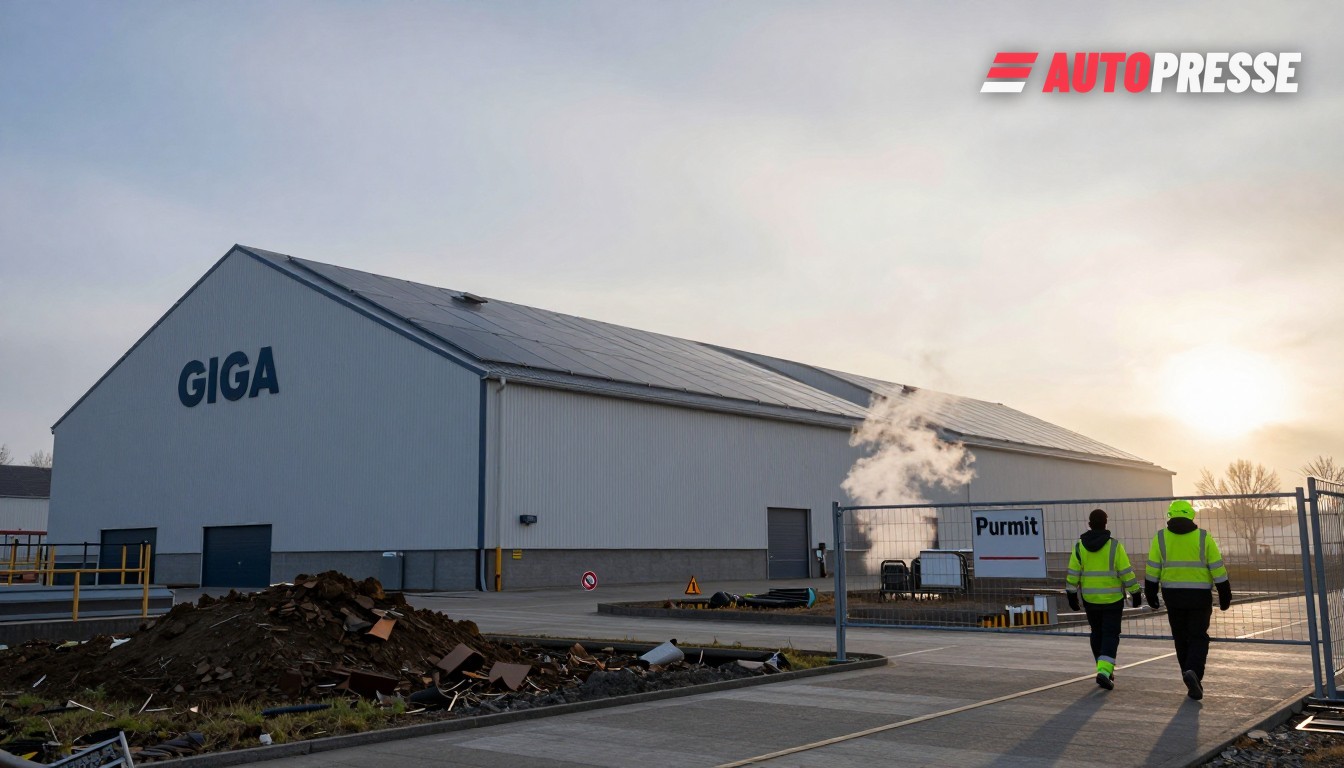
Tesla is preparing a larger second production hall at Gigafactory Berlin‑Brandenburg: company plans will be filed in December 2026 and, if approved, construction could start in 2027 — a step that local reporting links to thousands of additional jobs and a rise in German vehicle capacity.
The site already turns out Model Y volumes measured in the hundreds of thousands: recent reporting places current Grünheide capacity at roughly 375,000 Model Y units per year.
Crucially for Germany’s supply chain, Tesla has signalled it will add cell production at Grünheide: a company manager said battery cell manufacturing is planned to begin in mid‑2027, anchoring more of the value chain on German soil.
Austrian suppliers and chips step up
Austria is not standing still. Infineon has moved from lab to line: the group confirmed plans to establish the world’s first high‑volume 300‑mm GaN power‑semiconductor factory at Villach, with an investment of about €1.1bn and production scheduled to start by the end of 2027. That factory will supply power electronics used in EV inverters and chargers across Europe.
On assembly and contract manufacture, Magna Steyr’s Graz plant has become a European hub for Chinese OEMs: Graz now builds Xpeng and GAC models and regional reporting says new Chinese orders being discussed could scale to tens of thousands of vehicles and support up to around 1,000 extra jobs if realised.
Meanwhile voestalpine’s recent Apprentice Day underlines the region’s training effort: the group reported 380 apprentices at the Linz event in November 2026 and highlights vocational training as central to supplying the new‑tech plants nearby.
What this means for the market
The combined effect is concrete: German assembly capacity could rise if Grünheide’s expansion and local cell lines proceed, while Austria is solidifying upstream strength in power semiconductors and contract assembly. That means dealers and fleet buyers should expect steadier BEV supply into 2028 if approvals and ramps go to plan; suppliers that can deliver e‑powertrain parts, semiconductors and high‑mix assembly services will see demand grow; and regional labour markets — from Brandenburg to Styria and Carinthia — will feel recruitment pressure for skilled technicians.
Risks remain: permit timelines, equipment commissioning and the global chip market will set the real cadence. But the facts on the table — a December 2026 planning milestone for Tesla’s new hall, a mid‑2027 target for Grünheide cell production, Infineon’s €1.1bn Villach commitment and expanding Chinese assembly at Graz — are already reshaping investment and hiring decisions across the German‑Austrian auto corridor.
WorldTrader24 B2B vehicle marketplace for dealers and wholesalers →
Sources: rbb/Tagesschau, electrive, Zawya, Infineon, Magna Steyr, voestalpine