The European Commission on 4 November 2026 opened a public consultation on a draft implementing act that would adapt the EU General Safety Regulation for fully automated vehicles, inviting stakeholder comments until 1 December 2026. The move is aimed at aligning EU type‑approval and roadworthiness rules with recent UNECE and WP.29 work on automated driving systems — and will directly affect German and Austrian makers, suppliers and type‑approval authorities.
What the draft would change
The draft focusses on technical and administrative rules to bring fully automated systems within the scope of the General Safety Regulation and the EU type‑approval framework. That includes updated testing, reporting and roadworthiness requirements tied to automated driving systems already addressed by Commission Implementing Regulation (EU) 2022/1426 and its subsequent amendments. Regulators are asking for evidence and views on methods, test procedures and the administrative steps national authorities will need to take.
For manufacturers the consultation flags tighter links between type‑approval, post‑market surveillance and software lifecycle controls: the Commission’s approach would formalise how automated‑driving functions are checked at type approval and how their safety‑critical software updates and logs are monitored during vehicle life. The consultation document and related guidance lay out those technical priorities for industry input.
How Germany and Austria are positioned
Germany’s Federal Motor Transport Authority (Kraftfahrt‑Bundesamt, KBA) remains the national actor for vehicle type approval and is the natural contact point for OEMs and technical services working to satisfy any new EU rules on automated systems. At the same time Germany’s national AI enforcement architecture — notably the Bundesnetzagentur as a central market‑surveillance authority under Germany’s KI‑MIG — means AI and vehicle rules will be interpreted against a detailed national supervisory map. That dual picture — KBA for type approval, Bundesnetzagentur for AI supervision where relevant — will determine how quickly German and Austrian makers can adapt processes and documentation.
Industry and testing bodies have repeatedly been invited to feed evidence into EU-level rulemaking on vehicle safety and roadworthiness; the Commission’s consultation is the next formal window to shape delegated and implementing rules that translate international technical outputs into EU law.
What this means for the market
For OEMs and tier‑1 suppliers in Germany and Austria the consultation tightens the timetable for documenting safety cases that bridge classical type‑approval evidence and software‑centric AI assurances. If the Commission proceeds with stricter test and post‑market obligations, manufacturers will face heavier conformity and logging duties at type approval and in service — work that will involve technical services, notified bodies and national authorities such as the KBA. The Bundesnetzagentur’s AI oversight role means some AI‑related controls (transparency, logging, prohibited practices) will be enforced in parallel to product law; companies must therefore map both regulatory tracks now.
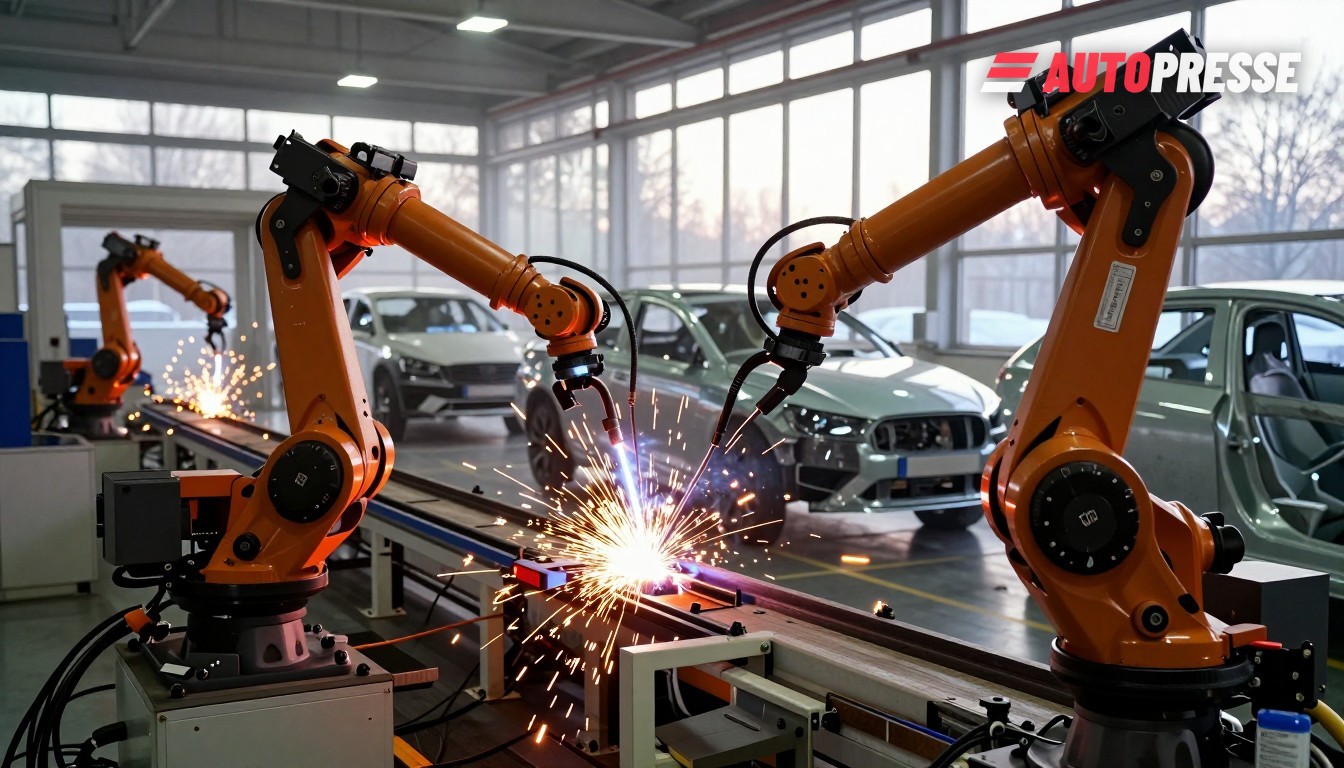
Practical consequences for plants and suppliers can be immediate: test labs and quality teams must prepare for new or updated procedures for verifying software integrity, update‑management and lifetime logging; procurement and compliance functions should expect closer coordination with national technical services; and R&D budgets will increasingly factor long‑tail validation and documentation workloads next to sensor and compute investments. These are near‑term implementation tasks — the consultation closes on 1 December 2026 and the Commission will use replies to shape the drafting of binding implementing acts.
WorldTrader24 B2B vehicle marketplace for dealers →
Sources: Obsidian Regulatory Intelligence, Bundesnetzagentur, EUR‑Lex
Partner note: AutoPresse technology partner DaVinci AI develops AI solutions for the entire automotive industry – from market and dealer analytics to autonomous AI agents and image and video production.