The auto industry in Germany and Austria is responding to two simultaneous shocks: tighter supply of heavy rare earths and the structural squeeze on traditional suppliers as cars electrify. The result is a practical race — to magnet‑free motors, to industrial robotics and to new markets for parts makers — that is already producing concrete projects and funding commitments across both countries.
Magnet‑free motors and material security
Bavarian and Austrian production lines are moving fast. BMW’s Steyr plant in Upper Austria has scaled up Gen6 e‑motor production and the company reports a multi‑line ramp that took capacity from a few thousand units to plans above 100,000 e‑motors in 2026 as part of the Neue Klasse programme. These e‑drives are now a visible component of BMW’s European production network.
At the same time German research bodies are funding alternatives to permanent‑magnet motors. Fraunhofer IFAM’s SIREN project has secured more than €2 million in regional and ERDF support through to 2028 to develop rare‑earth‑free drive concepts (high‑speed reluctance and ferrite‑excited designs) and aluminium windings as a copper substitute. The institute says the work covers material development through functional demonstrators, a development rather than an immediate production announcement.
The urgency behind these moves is not abstract. Export licensing and other Chinese controls have raised heavy‑rare‑earth premiums outside China and created acute sourcing uncertainty for dysprosium, terbium and yttrium — materials central to high‑performance permanent magnets. Market trackers and commodity analysts report dramatically higher ex‑China premiums and recurring expiry dates for Beijing’s temporary suspensions in late‑2026 that keep buyers on edge.
Automation, humanoid pilots and supplier diversification
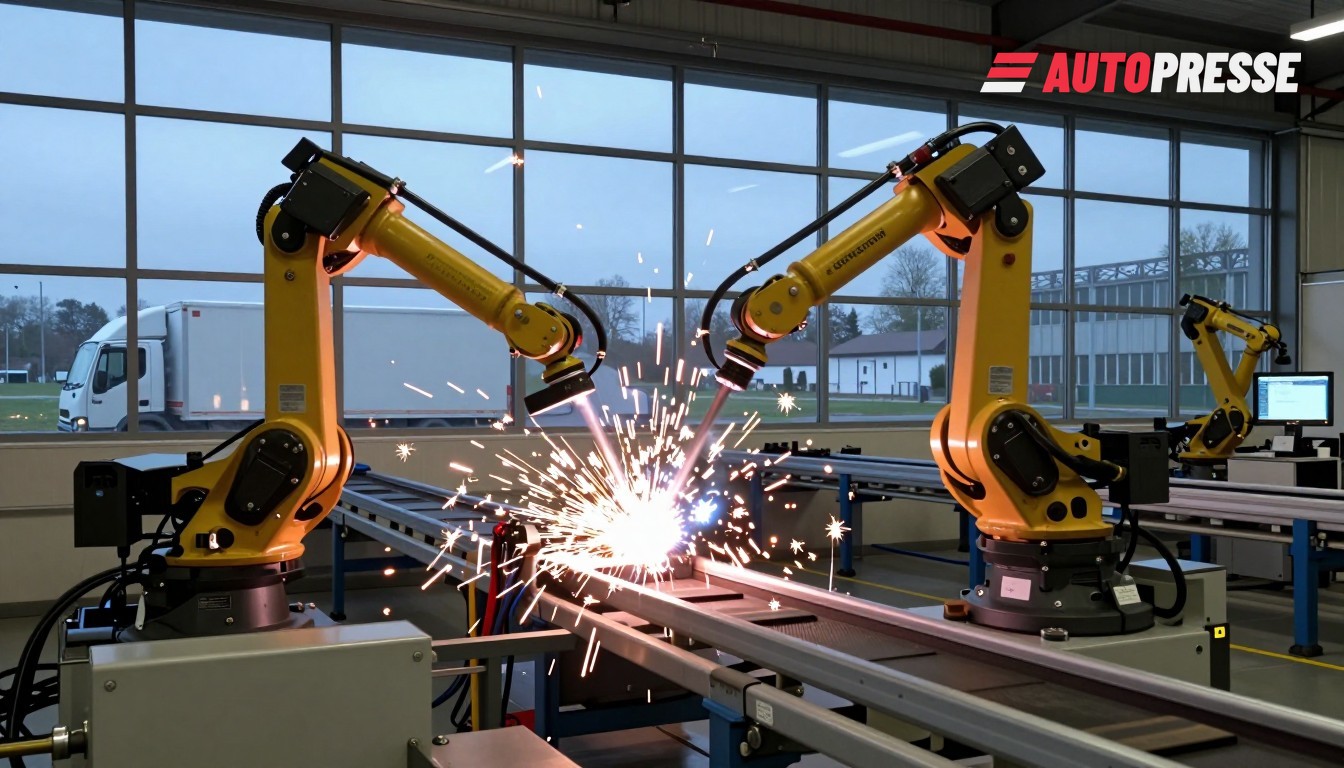
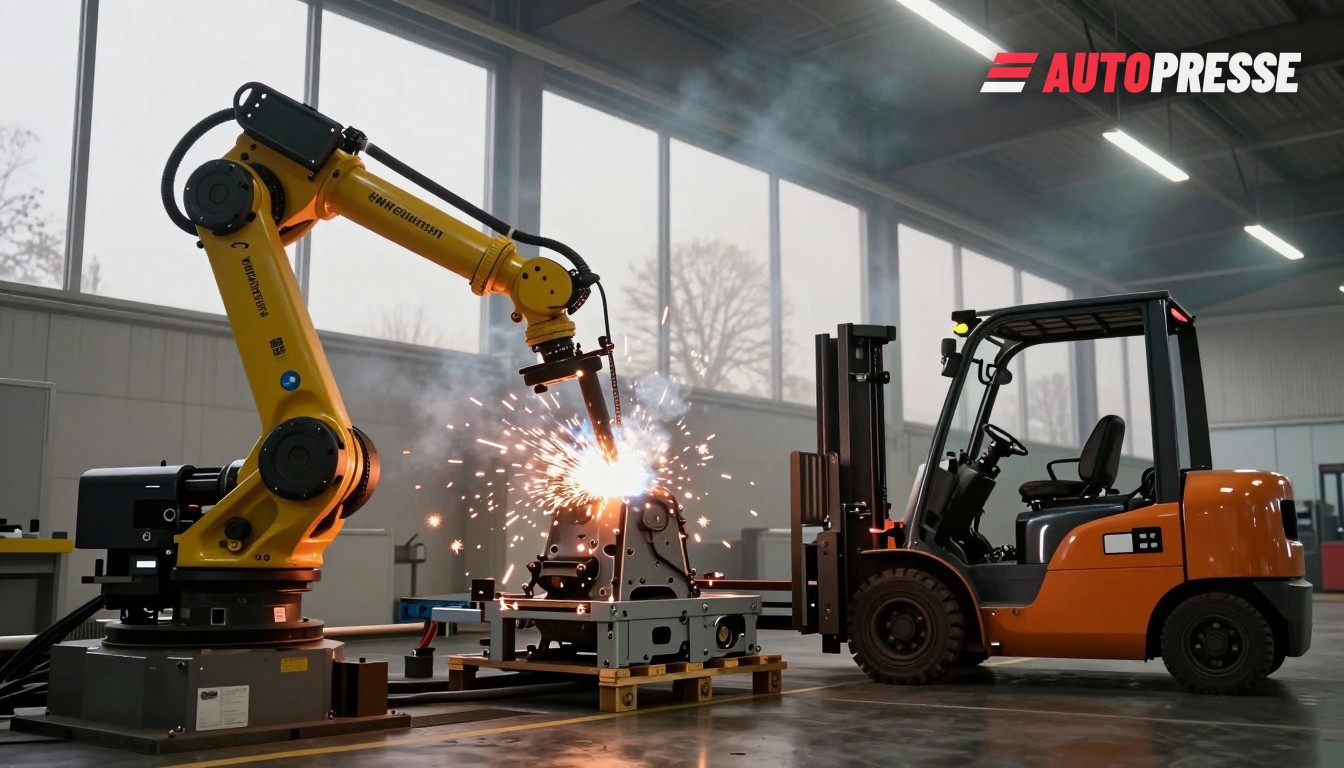
Austria is pairing material‑security work with a push into advanced manufacturing. The AT Styria cluster leads a bid to make Styria a European test region for AI‑assisted and humanoid robotics; the proposed Horizon Europe project carries an EU contribution of roughly €18 million and the call opens 17 November 2026, with a decision expected in summer 2027. Planned pilots include humanoids in machining and assembly, intralogistics and AI‑assisted quality and maintenance.
That automation drive matters because Austria’s supplier base is under pressure: research from TU Wien and other institutes flags thousands of job losses and warns of up to about €1 billion in regional value‑add erosion in Styria and Upper Austria as electrification reduces component content and Chinese competition intensifies. TU Wien is explicitly promoting defense and dual‑use markets as one route for suppliers to rebuild order books and preserve high‑skill manufacturing.
What this means for the market
The near term will be a patchwork. OEMs will increase orders for Europe‑friendly motor concepts and for automation systems that let smaller suppliers raise productivity; research funding will accelerate prototype and pilot phases but not instantly replace lost contracts. Suppliers that can retool to magnet‑free drives, to aluminium windings or to certified dual‑use products stand to win new business; others risk further consolidation or exit. Policymakers should expect requests for targeted support — test lines, certification help and export‑control guidance — as firms navigate the transition.
WorldTrader24 B2B vehicle marketplace for dealers →
Sources: BMW Group, Fraunhofer IFAM, TU Wien, AT Styria, Morgan Downey Commodity News