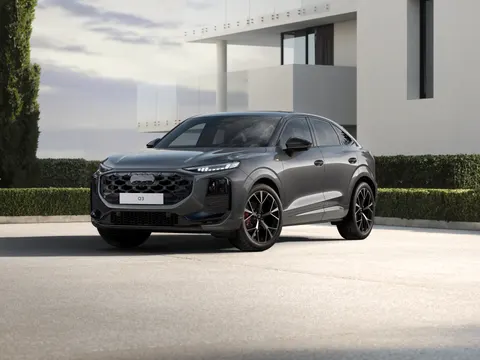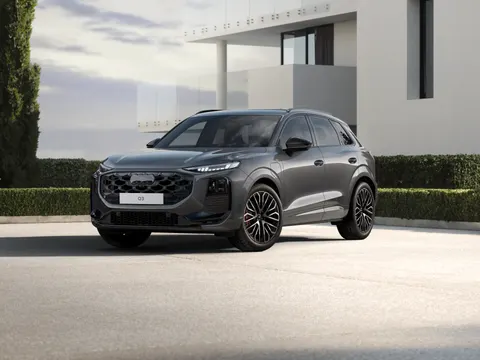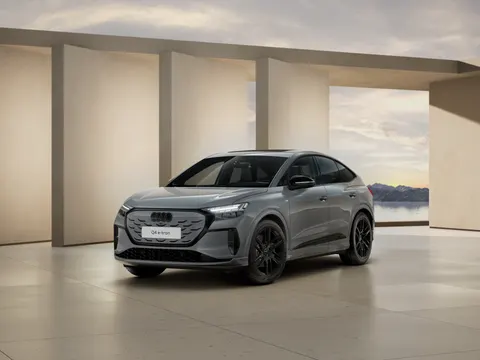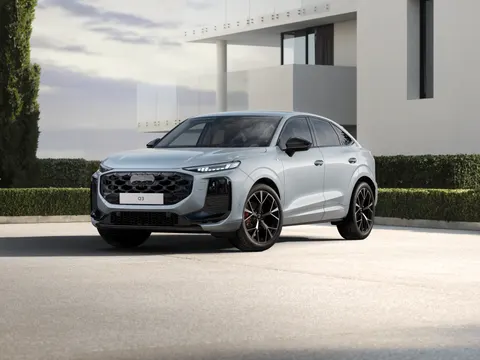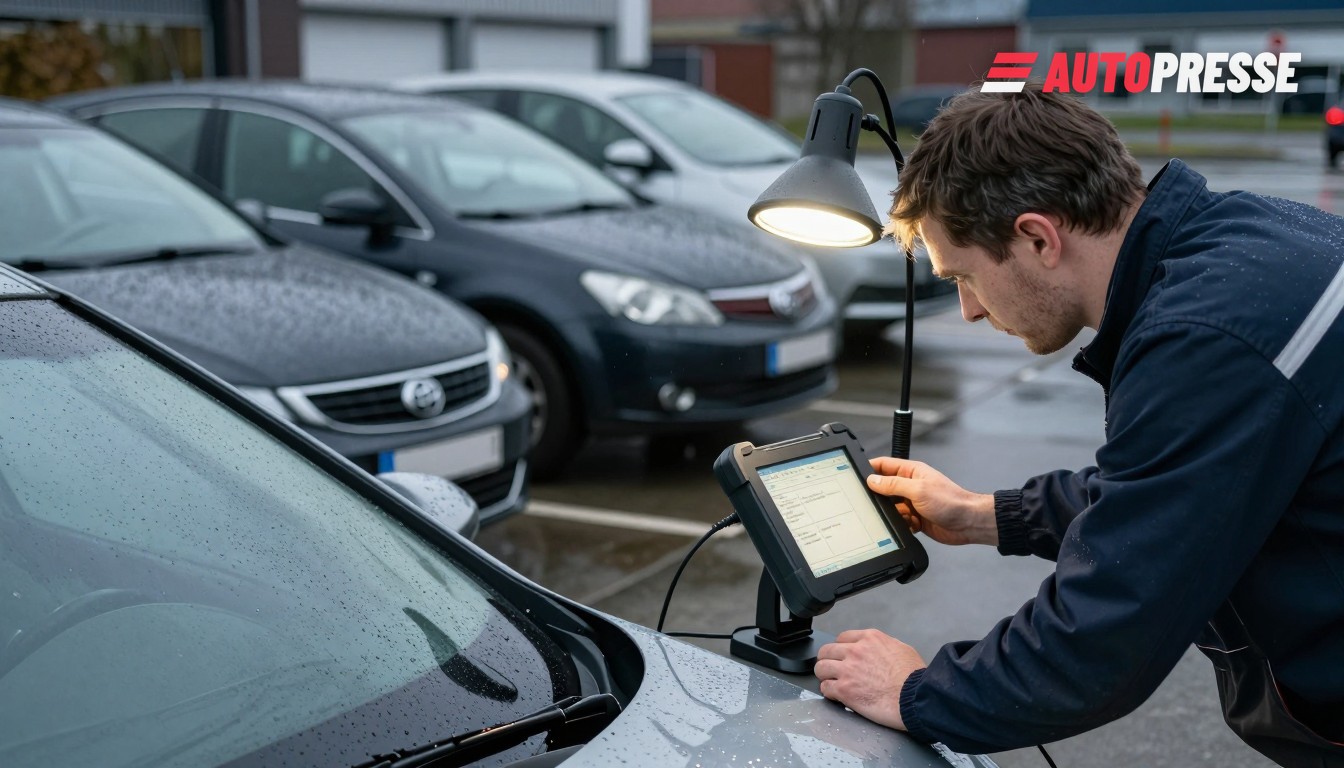
Drivers in Germany and Austria are already feeling the cost squeeze when a small crash turns into a four‑figure bill. Insurers warn that higher workshop hourly rates, pricier parts for electrified cars and the extra work of ADAS recalibration are pushing average claim costs toward €4,600 — and that the motor business will be only marginally profitable in 2026. That matters to motorists, fleets, dealers and independent garages across both countries because it is reshaping premiums, claims handling and workshop capacity.
Why repair bills are rising
Multiple forces are colliding. Advanced driver‑assistance systems (cameras, radar and lidar) require specialist calibration or replacement after even modest damage; electric vehicles typically need specialised labour and more expensive components; and parts and hourly labour rates have climbed sharply in recent years. The OECD notes that the growing content of cameras and sensors and the rise of electrified drivetrains have materially increased repair severity across advanced markets.
Germany’s insurance lobby (GDV) says an average vehicle damage claim now costs insurers roughly €4,600 — about 70% more than in 2017 — and that repair‑and‑parts inflation pushed expected motor payouts to around €35 billion in 2026; the federation expects only a slim technical surplus for the year (a combined ratio around 99%). Workshop hourly rates rose sharply (GDV cites a 7.5% jump in 2025 alone) and EV repairs are, on average, costlier because of required specialist bays and safety procedures.
At the same time workshops are strained. The DAT report shows average waits for a garage appointment running into days (an average wait of 9.3 days was recorded for 2024) and names the skilled‑labour shortage, parts lead times and seasonal peaks as core bottlenecks — a dynamic that amplifies cost pressure and lengthens vehicle downtime for customers.
Austria: inspection changes and regional risks
Austrian stakeholders warn the country’s regulatory changes to inspection intervals risk raising repair bills in alpine and salt‑exposed regions. The ÖAMTC has argued that longer inspection intervals will likely delay detection of corrosion and wear in harsh regions, which in turn pushes up later repair bills for owners and claims for insurers — a particular concern where electrified and sensor‑rich vehicles need earlier specialist checks.
What this means for the market
Insurers: expect continued selective repricing, tighter underwriting and new product design (workshop‑network agreements, telematics discounts, modular add‑ons covering ADAS calibration). The GDV’s projection of near‑break‑even underwriting in 2026 already shows the direction: motor underwriting can no longer subsidise other lines without price adjustments.
Workshops: capacity is the new currency. Garages with calibrated ADAS kit, EV‑trained technicians and digital booking will capture more of the scarce volume and command higher margins; smaller shops face mounting incentives to specialise, consolidate or sign network deals to keep throughput up. The DAT data underlines how appointment delays are already eroding aftermarket revenue opportunities.
Drivers and fleets: expect higher premiums and, in some cases, stricter policy terms (higher excesses, defined workshop lists, or new clauses around ADAS‑related repairs). For fleets, a tighter repair market increases the value of preventive maintenance, remote diagnostics and workshop partnerships that reduce downtime — all levers to blunt repair inflation. The OECD and reinsurer analyses make clear this is a structural shift, not a short‑term blip.
Policymakers and clubs in both countries face trade‑offs: easing consumer costs via longer inspection intervals may reduce near‑term expense, but experts warn it risks larger, later repairs — especially in alpine zones — and higher systemic claims costs for insurers. Austria’s ÖAMTC has publicly urged care in designing interval changes to avoid regional cost spikes.
Electric vehicle listings on WorldTrader24 →
Sources: GDV, OECD, DAT, ÖAMTC, Swiss Re Institute