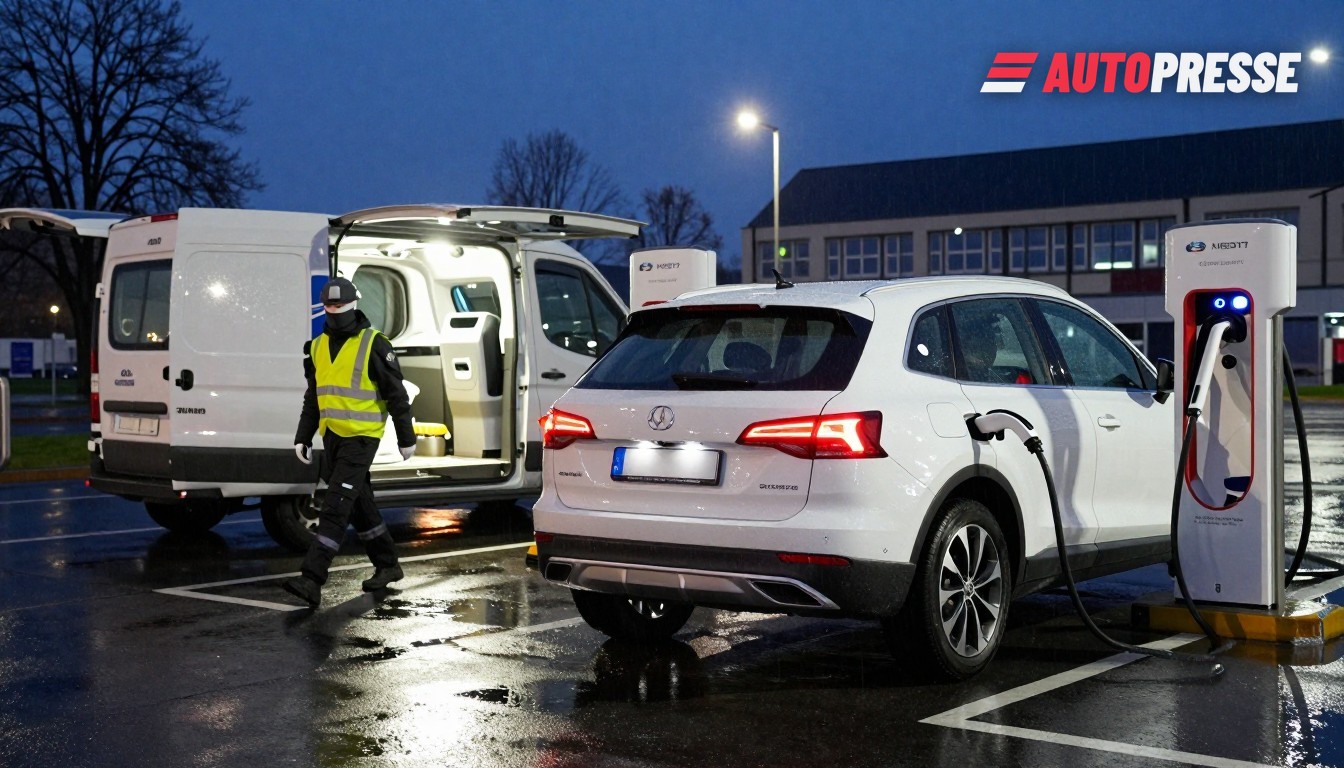
October’s registration data underline a structural change for the German market: private buyers returned in force while vehicle mix continues to favour larger models. That shift is forcing dealers to rebalance stock, finance plans and after‑sales capacity across Germany — with clear knock‑on effects for neighbouring Austria.
Private demand rebounds in Germany
Official monthly figures show private new‑car registrations in Germany rose sharply in October 2026 versus a year earlier, reversing much of the pandemic and chip‑era weakness in retail demand. The Federal registration release noted private registrations increased by 20.6% while commercial registrations fell, a sign that households — not companies — drove last month’s upswing. Dealers report stronger walk‑in interest and shorter lead times for popular equipment levels as retail orders re‑enter the pipeline.
Segments: SUVs keep market lead
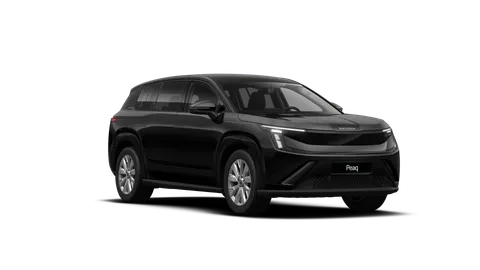
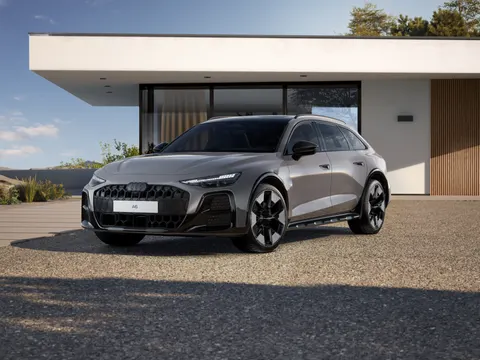
At the same time the segment picture did not change: SUVs remained the largest category in Germany, accounting for the single biggest share of new registrations in October (reported at 37.8% of the market). That persistent demand for larger vehicles keeps pressure on parts, tyres and workshop capacities geared to heavier and more complex models.
Austria: a pause after months of growth
Across the border Austria’s registration series shows that October 2026 ended a run of month‑on‑month increases that had been in place since July 2025. Statistics Austria recorded 24,174 newly registered passenger cars in October 2026 — about 1.2% fewer than in October 2025 — and noted the month marked the first small decline after many months of expansion. The agency’s reporting highlights continued momentum for alternative‑drive vehicles since the start of 2026, but October itself shows the market can wobble month to month.
What this means for the market
Dealers: stock plans should prioritise retail‑friendly spec levels and options that private buyers target (comfort, charging and connectivity). With SUVs still dominant, inventory and after‑sales units must match the heavy‑vehicle profile (suspension, tyres, high‑voltage service readiness).
Fleets and remarketing: as corporate orders soften, remarketing windows may tighten and residual‑value assumptions should be revised by segment rather than by powertrain alone. Expect stronger competition for young, retail‑ready used SUVs.
Manufacturers and suppliers: the rebound in private demand removes some short‑term overhang from fleet‑led ordering patterns, but suppliers must keep capacity flexible — SUVs and larger models require different components and longer repair cycles than small city cars.
Policy and infrastructure planners: Austria’s pause shows that month‑to‑month volatility remains possible even amid a clear medium‑term shift toward electrified and alternative drives. Local charging and customer information remain decisive for converting interest into sales.
SUV listings on WorldTrader24 →
Sources: Statistics Austria, KBA reporting (via ADAC / PressNews), APA‑OTS.