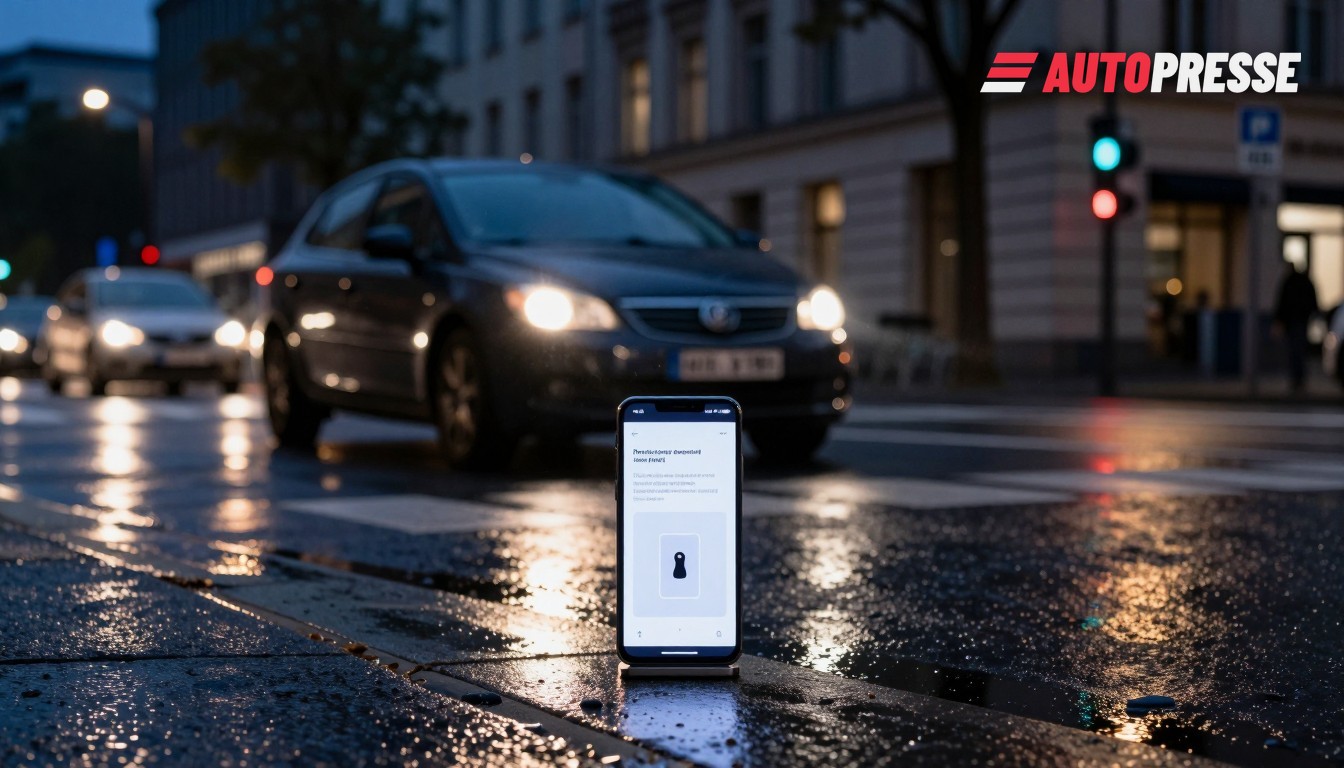
When Germans and Austrians search for "automotive intelligence" they are looking for what cars can do for drivers beyond horsepower — in short, vehicle intelligence: on‑board artificial intelligence that understands context, suggests actions and reduces friction. Google has taken a visible step in that direction: on 10 November 2026 the company announced that Gemini Intelligence will bring proactive suggestions to Android Auto on Pixel phones, offering context‑aware actions (for example, finding a booking email and proposing to share the meeting address with one tap).
What Google announced — and what drivers will see
Google’s November update (the Pixel Drop announced 10 November 2026) extends Gemini Intelligence across more devices and lists "proactive suggestions" for Android Auto as coming "soon"; at launch the functionality is tied to Pixel phones with Gemini Intelligence and Google has not published a firm European rollout date or full list of supported cars. The feature is described as making in‑car systems more than reactive assistants — they will connect data across apps to surface helpful, low‑distraction proposals while you drive.
German tech coverage underlines the same limits: reporters note the announcement comes with open questions on privacy, required app permissions and which vehicles in Europe will be supported — points that matter to German and Austrian drivers who must balance convenience and data protection. Computer4You and other outlets flagged Google’s explicit warning that some Personal‑Intelligence features remain restricted in the European Economic Area and that the Android Auto suggestions are a staged rollout.
Where the industry stands in Germany
The push for in‑vehicle AI sits alongside broader industry debate in Germany about how AI should be led and governed inside automakers and suppliers. At the Automobilwoche congress in Berlin on 13 November 2026, panelists from TÜV Rheinland, academia and platforms argued that artificial intelligence can add value across development, retail and after‑sales — but success depends on leadership, data competence and security. The panel warned that only about one‑third of AI pilots succeed long‑term and that firms must plan organisational change as well as technology.
What this means for the market
For drivers in Germany and Austria the immediate effect will be device‑dependent: Pixel owners may see practical, one‑tap actions in compatible cars soon, while other smartphone users and many fleet telematics customers wait for vendor agreements and regional rollouts. For dealers and fleet managers, vehicle intelligence that surfaces purchase‑related or trip‑related actions (ETAs, address sharing, quick service bookings) creates new expectations for seamless connectivity and fresh upsell or service‑booking paths. OEMs, tier‑1 suppliers and workshop software vendors must decide how to integrate or restrict such agent‑style features and demonstrate secure, auditable behaviour to pass German and Austrian regulatory and fleet procurement checks.
Two immediate cautions stand out from German coverage: (1) privacy and permission dialogs need to be crystal clear for shared cars and company fleets, and (2) safety and distraction‑minimising UI must be proven before regulators or fleet customers will accept proactive agent behaviour in safety‑critical contexts. Automakers and suppliers that can show explainability, quick re‑validation after updates and clear consent flows will gain advantage.
Android Auto fleet offers on WorldTrader24 →
Sources: Computer4You, Automobilwoche Kongress, Google blog