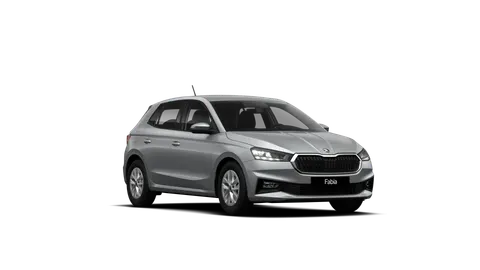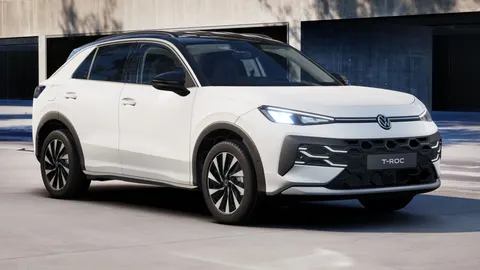
Germany and Austria wake up to a major regulatory step this week: the EU’s Euro 7 regime becomes applicable to new vehicle types on 29 November 2026, with all new registrations covered from 29 November 2027. The package tightens pollutant limits, requires in‑vehicle monitoring and battery durability proof, and forces manufacturers to publish a digital Environmental Vehicle Passport (EVP) for every car type — rules that will change how cars are approved, sold and registered across both countries.
What the new rules require
Regulation (EU) 2024/1257 sets the core dates: Euro 7 applies from 29 November 2026 for new types of M1 and N1 vehicles, and from 29 November 2027 for all new M1 and N1 registrations. From those dates approval authorities must refuse type‑approval for non‑compliant new types, and national authorities will consider certificates of conformity invalid for registration where vehicles do not meet the rulebook.
The implementing acts spell out technical and administrative detail. Manufacturers must issue an Environmental Vehicle Passport (EVP) for each vehicle type, containing pollutant limits, CO2, fuel and electric energy consumption, electric range, motor power and battery durability parameters; EVP data must be accessible off‑board using the VIN without extra registration.
Euro 7 also raises battery‑durability requirements for electrified vehicles. The regulation sets minimum performance windows that include a main lifetime band “up to 160,000 km or 8 years, whichever comes first” for many light vehicles, and prescribes tests and OBM/OBFCM (on‑board monitoring) obligations to document in‑service performance.
What this means for the market
Immediate effects will be felt in factories, dealer showrooms and registration offices. Vehicle manufacturers must complete Euro 7 type approvals for updated models by 29 November 2026 if they want to sell newly introduced model types in the EU; after 29 November 2027 national registration authorities can refuse to register non‑compliant new cars. That raises the stakes for product‑planning calendars, small‑volume importers and fleet buyers in Germany and Austria.
Dealers and used‑car importers should note the EVP requirement: buyers and inspectors will be able to check environmental data by VIN, which will change pre‑sale checks and compliance documentation. Austria’s motor‑club ÖAMTC underlined the EVP obligation and the two‑step timetable — type approvals from 29 November 2026, full effect for registrations from November 2027 — as particularly important for consumers and second‑hand markets.
For battery electric vehicles the new durability tests, on‑board monitoring obligations and in‑service conformity checks raise engineering and testing costs; manufacturers will need validated OBM/OBFCM data and battery‑SOH evidence to obtain type‑approval. That work affects supply chains, test labs and repair shops across Germany and Austria.
Regulators will enforce through type‑approval and registration gates rather than retrospective sales bans — but the practical effect is clear: cars without a compliant type‑approval or valid certificate of conformity will not be allowed into service in EU member states after the deadlines.
Short‑term priorities for the German and Austrian markets are therefore pragmatic: manufacturers must finalise type‑approval dossiers; importers and dealers must verify EVPs and certificates before sale; fleet managers should check whether pending orders meet Euro 7 designations or risk delayed registrations.
B2B vehicle marketplace for dealers on WorldTrader24 →
Sources: EUR‑Lex (Regulation (EU) 2024/1257), Commission Implementing Regulation (EU) 2025/1707, ÖAMTC