Germany and Austria have taken concrete, policy‑level steps this year to square rising electric‑vehicle demand with grid security and public procurement rules — moves that affect drivers, fleets, dealers and suppliers across both countries.
What governments have done — the facts
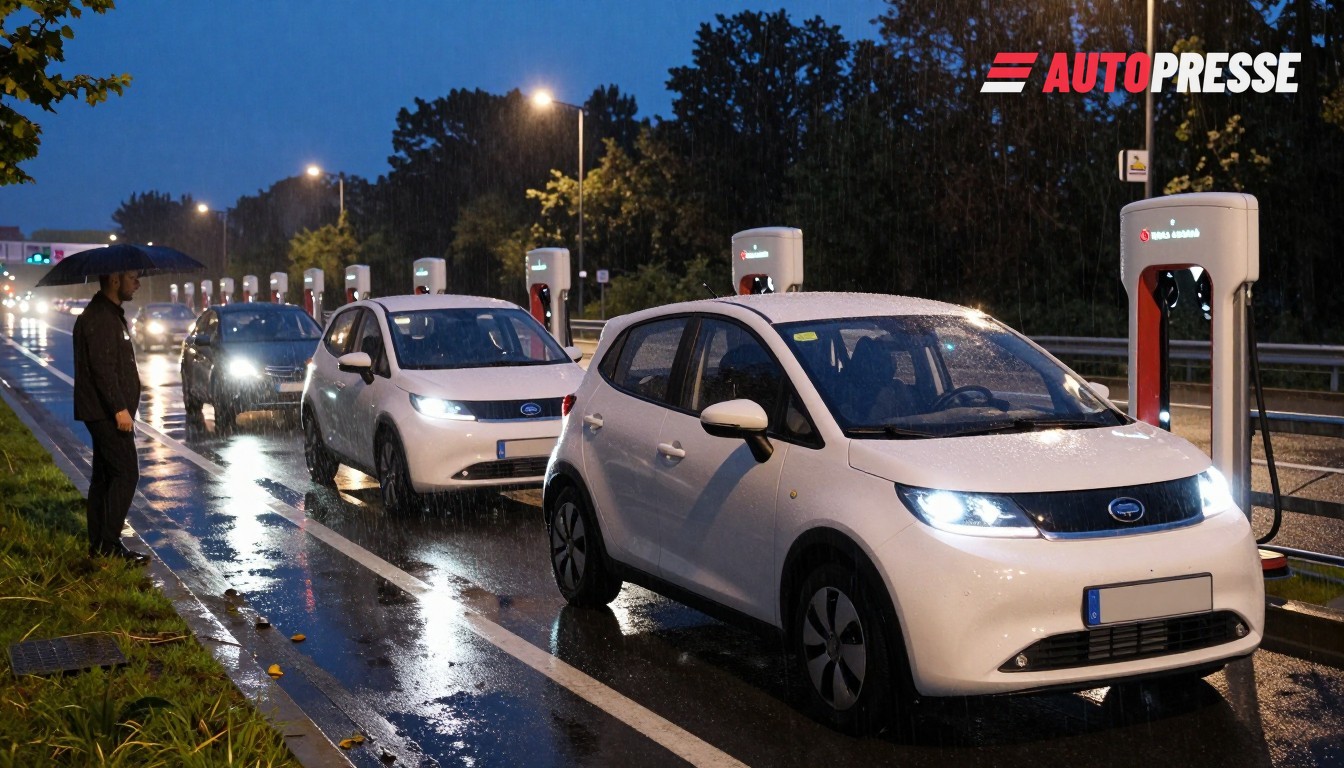
In Germany the federal government’s "Masterplan Charging Infrastructure 2030" (adopted in November 2025) formally aims to "simplify and accelerate approval procedures for the deployment of charging infrastructure, improve conditions for grid connections, and ensure more transparent and user‑friendly charging services." The ministry text stresses charging must become "simple, reliable and wherever it is needed" to keep Germany competitive as an automotive hub.
Berlin has also bounded electricity‑security work into its automotive policy. The new Electricity Supply Security and Capacity Act requires controllable generation and reserves to be available for delivery periods beginning 1 November 2031 (first window 1 Nov 2031–31 Oct 2032) and sets a timetable of tenders and auctions through 2029 to procure that capacity. The act is central to ensuring dispatchable electricity for increased charging demand.
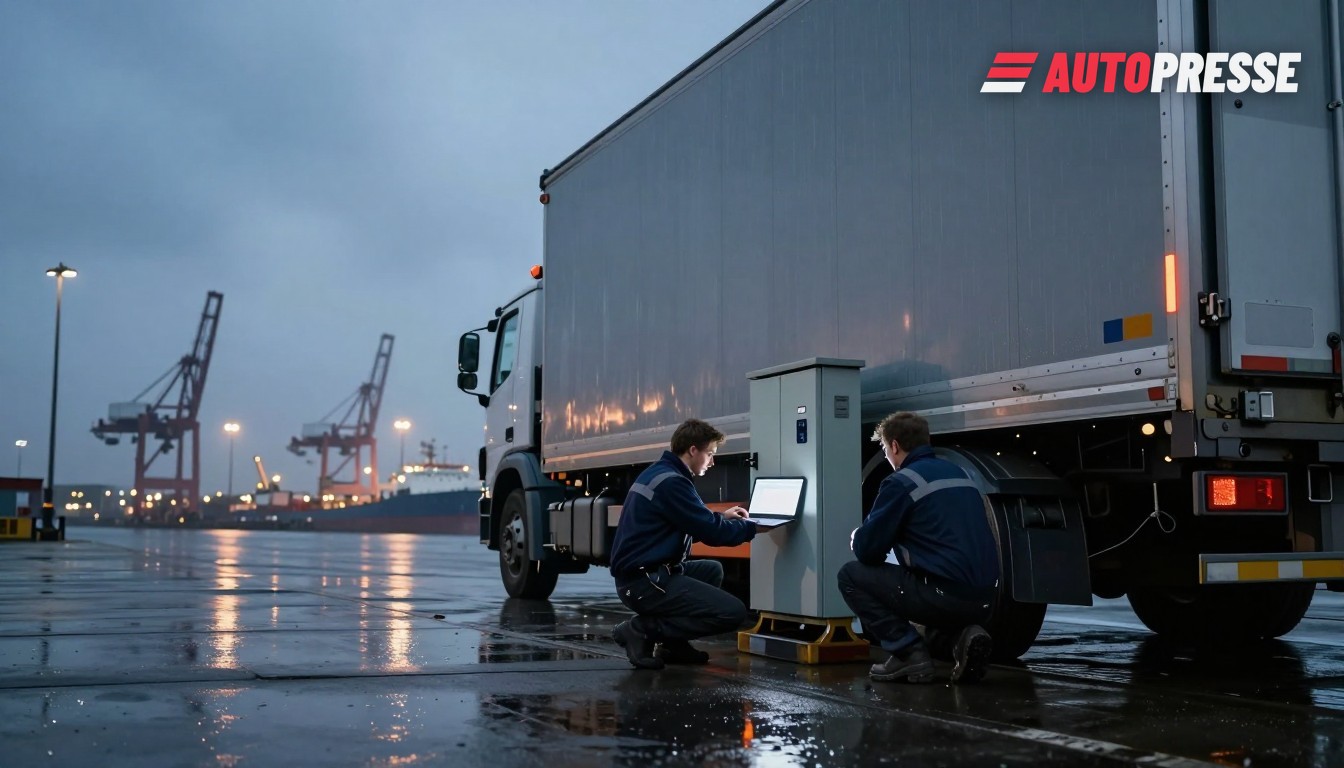
Germany’s wider climate programme confirms targeted, transport‑sector measures: the coalition decided on a prolongation of the toll exemption for zero‑emission heavy trucks in legislation enacted from 1 December 2025 until 30 June 2031. That extension is listed explicitly in the Klimaschutzprogramm 2026.
In Vienna the government’s eMOVE measures and recent ministry statements pair support for public‑sector charging and a pro‑charging procurement stance with clear signals to industry. Austria recorded a BEV registration record in October 2026: 8,434 battery‑electric cars were newly registered that month (34.9% share of new cars in October); January–October 2026 totals show 265,282 new cars with roughly 27% pure BEV share year‑to‑date. Mobilitätsminister Peter Hanke framed the figures as proof that electrification is entering everyday life.
Both states must also implement EU procurement law: the revised Clean Vehicles Directive requires Member States to meet national procurement targets for "clean vehicles" and — from 1 January 2026 — the focus for light‑duty public procurement is exclusively on zero‑emission vehicles; national minimum aggregate targets (Germany and Austria listed at 38.5%) apply through 2030. That changes the incentives for buses, municipal fleets and public tenders.
What this means for the market
Practical consequences are already visible. Faster charger permits and clearer grid‑connection rules in Germany will reduce installation lead times for workplace and depot charging; firms that provide multi‑dwelling‑unit solutions stand to gain as the Masterplan prioritises apartment blocks. Austria’s rising BEV share (October 2026 data) tightens the business case for installers, local utilities and fast‑charger operators — and municipal procurement will increasingly favour zero‑emission buses and vans because of the Clean Vehicles Directive.
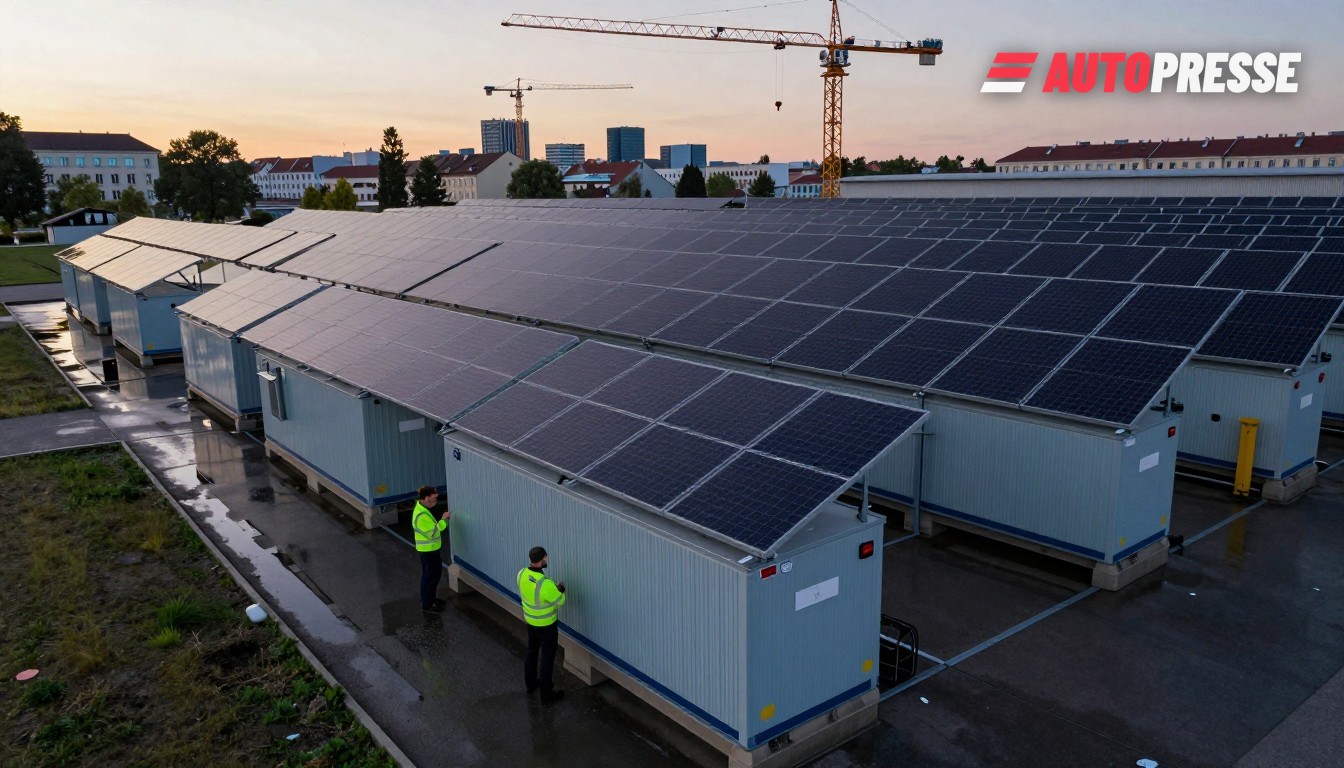
At the same time, Germany’s capacity law and the scheduled tenders to deliver capacity by November 2031 mean politicians and grid planners aim to limit black‑out and high‑price risk as charging volumes grow; that will influence where and when heavy‑duty chargers and depot electrification projects proceed, and how battery storage and demand‑response services are contracted.
For dealers, fleet managers and suppliers the headline is this: procurement rules plus national charging and energy security programmes turn public and private tender pipelines into multi‑year demand signals — but they also force close coordination with grid operators and an earlier integration of energy‑system costs into vehicle and charging offers.
Electric vehicle listings on WorldTrader24 →
Sources: German Federal Ministry of Transport and Digital Infrastructure (BMV), Federal Ministry for Economic Affairs (Energiewende newsletter), Federal Environment Ministry (Klimaschutzprogramm 2026), Austrian Federal Ministry for Industry/Innovation (BMIMI), European Commission (DG MOVE).