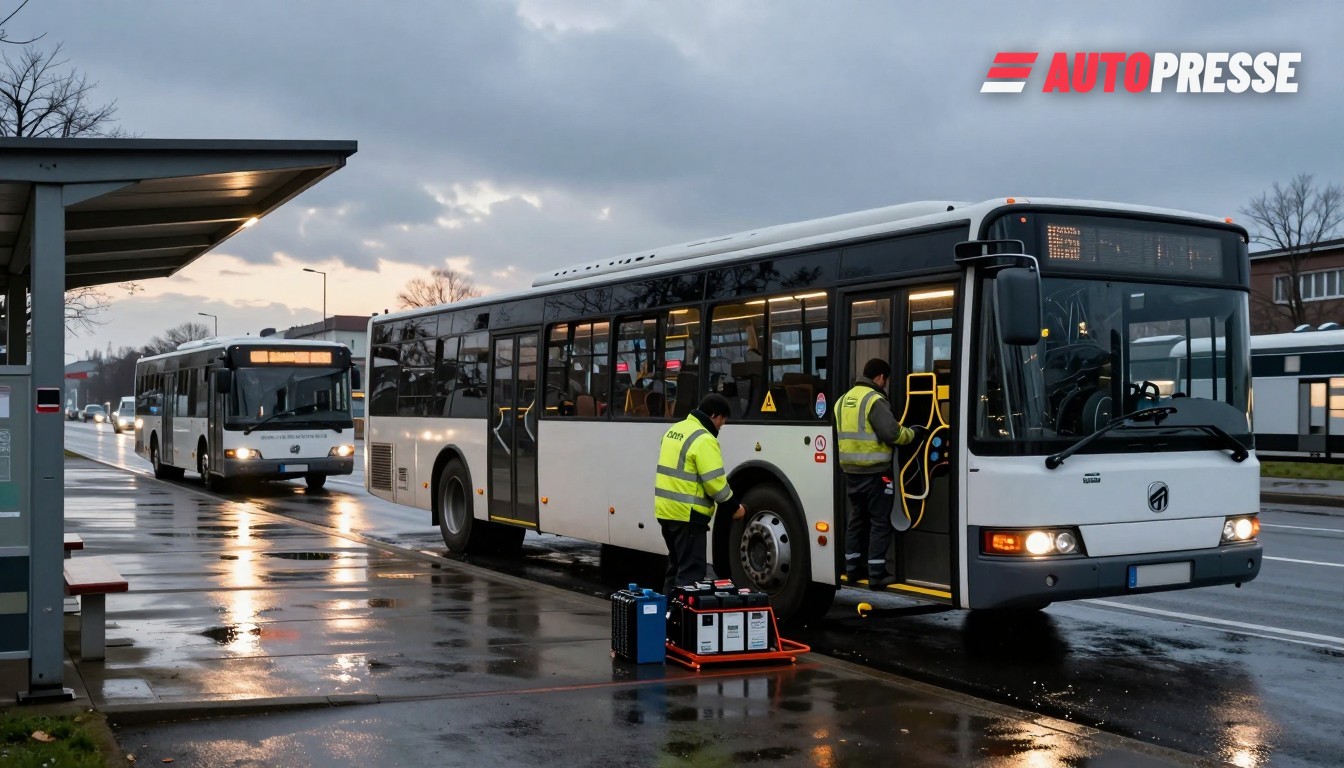
The push to retrofit existing buses and commercial vans with electric drivetrains has moved from laboratory white papers into real budgets and national plans — and that shift matters to operators, workshops and suppliers across Germany and Austria. A major Empa study finds that widescale e‑retrofitting could bring full electrification of Europe’s bus fleet roughly 15 years forward; Brussels and Vienna are already writing retrofit targets into recovery and national plans, while German funding and regional support remain fragmented.
Why retrofit is suddenly policy‑relevant
Empa’s analysis — published as a peer‑reviewed study and highlighted in a June 30, 2026 press release — models scenarios in which converting working diesel buses to electric operation accelerates fleet turnover and reduces material demand compared with wholesale replacement. The paper concludes that Europe’s bus fleet could be electrified about 15 years earlier if retrofitting is scaled. The study also notes retrofit costs are often substantially below the price of a new battery bus and that conversion time per vehicle can be short with standardized kits.
Policy instruments are responding. Austria’s updated recovery and investment planning explicitly includes the delivery and retrofitting of buses among its transport measures — the government lists financing for 521 emissions‑free buses as part of its EU‑funded package. At the same time Vienna’s mobility ministry points to rising BEV market share (in October 2026 Austria recorded 8,434 newly registered battery‑electric cars, a 34.9% share that month) as evidence that electrification can scale if frameworks and infrastructure follow.
Germany’s patchwork: pilots, regional calls and criticism
In Germany the technical and funding groundwork exists — guidelines and regional programmes for e‑bus purchase and occasional retrofit calls have been issued — but NGOs and operators say national support is inconsistent. The Deutsche Umwelthilfe (DUH) warned in October 2026 that many cities still plan diesel purchases and that federal funding for e‑buses has been cut in parts, creating uneven incentives for retrofit versus replacement. That fragmented approach risks leaving retrofit providers and mid‑sized workshops without the scale they need to bring conversion costs down.
What this means for the market
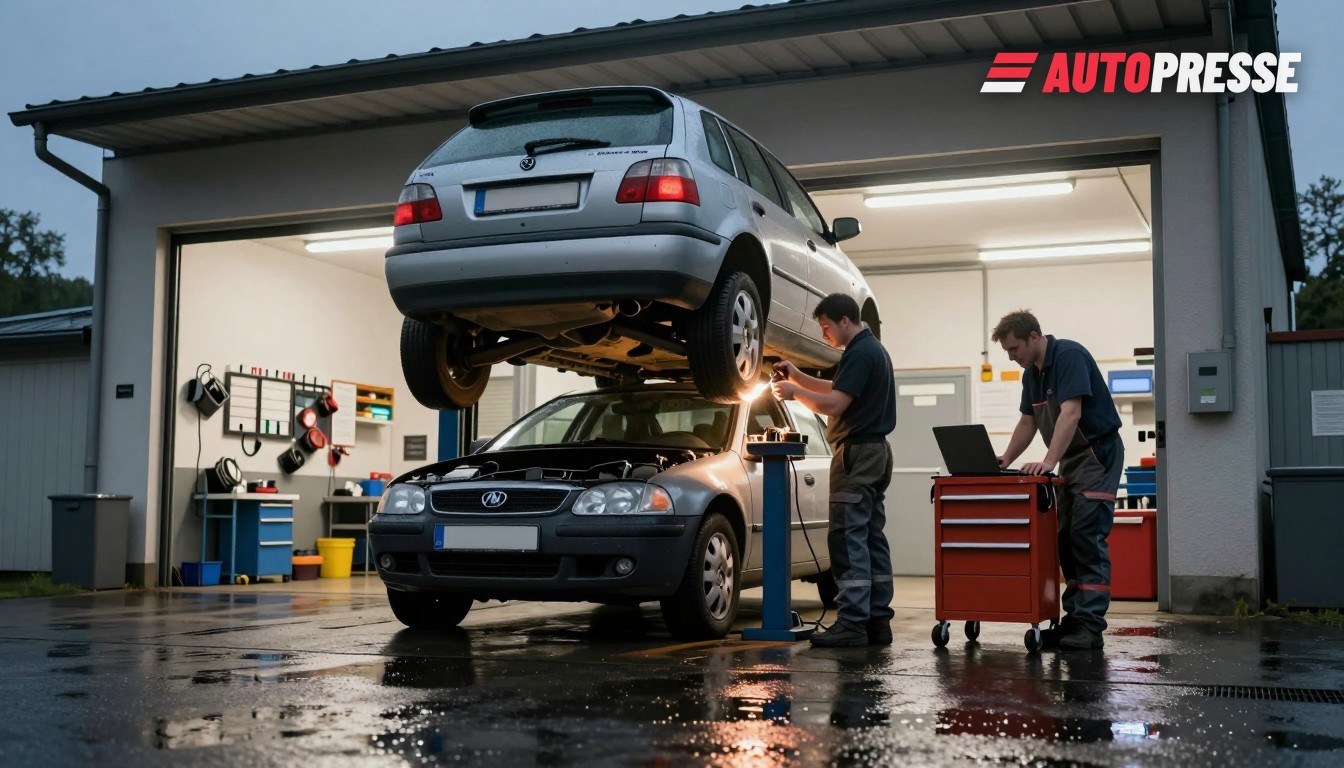
First, workshops and tier‑1 retrofit specialists stand to gain substantial new work: Empa finds conversion times can be short and labour‑intensive tasks can be re‑skilled from existing maintenance crews — a potential employment buffer as vehicle production shifts. Second, suppliers of battery modules, power electronics and validated retrofit kits will see demand sooner than full‑fleet replacement models predict; EU and national plans that explicitly fund retrofits create early anchor customers. Third, public operators can lower capital expenditure and reduce raw‑material demand by choosing conversions over new purchases — a point featured in both the Empa study and EU recovery annexes that list retrofitted buses as eligible deliverables.
Barriers remain: certification, warranty interfaces, standardisation of modular retrofit kits and predictable, multi‑year funding. Austria’s inclusion of retrofit in its investment plan and the country’s rising BEV uptake offer an instructive test bed; Germany’s uneven regional support shows how quickly potential gains evaporate without coherent federal signals. Policymakers face a simple trade‑off: fund conversions now to accelerate emissions and materials savings, or rely on gradual replacement and accept slower progress.
WorldTrader24 B2B vehicle marketplace for fleet and bulk purchases →
Sources: Empa, Austrian Federal Ministry for Climate Action/Transport (BMIMI), RIS (Austria), Deutsche Umwelthilfe, EU Recovery documents