Germany and Austria’s supplier landscape has entered a new phase of consolidation and industrial realignment — one that matters to drivers, dealers and more than 100,000 manufacturing employees. In Germany, MAHLE’s announcement in May to close its Neustadt an der Donau air‑conditioning plant (about 350 jobs) and the ensuing strikes have crystallised the social and political fallout of relocation decisions. In Austria, engineering and component groups are both buying capability and trimming headcount as OEM demand shifts.
Germany: closures, strikes and supplier pressure
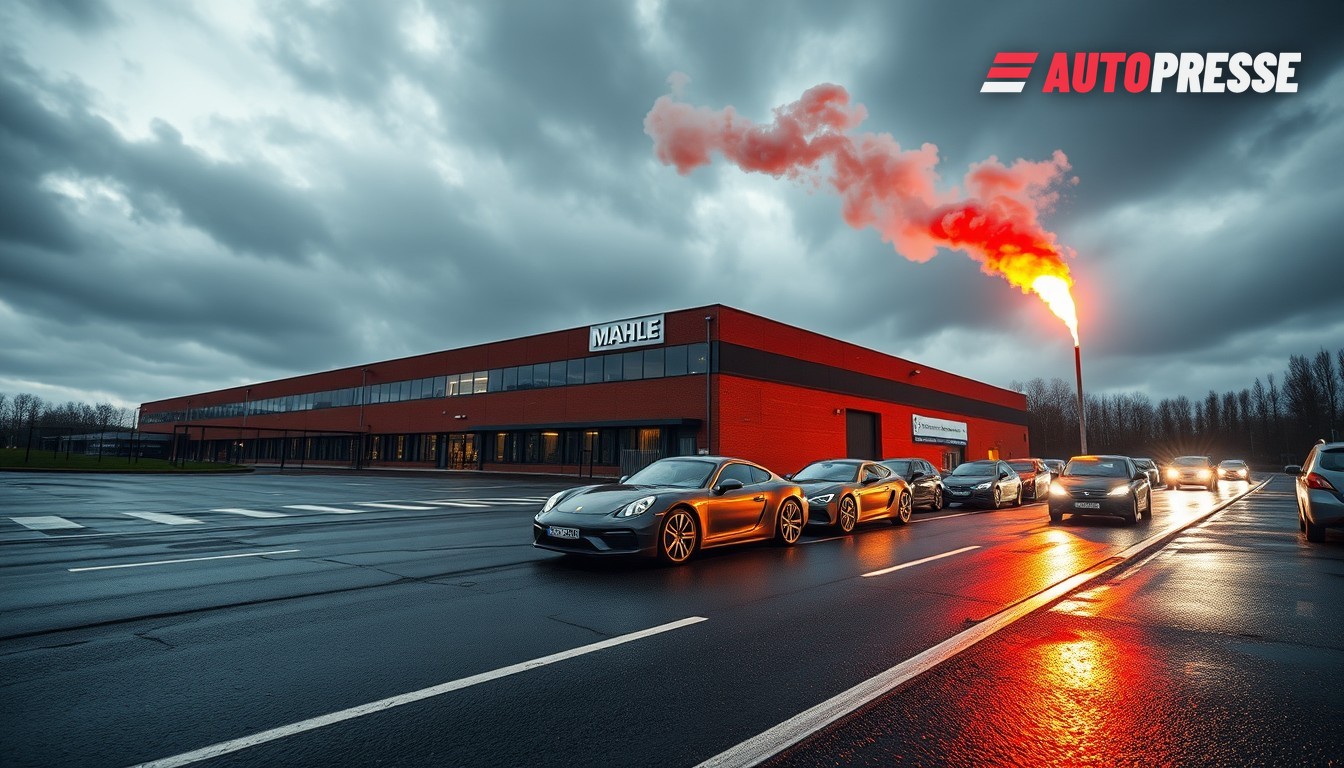
On 12 May 2026 MAHLE said it would close the Neustadt an der Donau site — about 350 employees work there — blaming waning customer orders, rising cost pressure and stronger Asian competition. The company argued continued operation was economically impossible.
Workers and IG Metall responded with sustained industrial action: IG Metall documents record multi-day strikes at the Neustadt site in June and a near‑unanimous ballot vote to press for a social collective agreement, while alleging management broke off negotiations and planned production moves abroad. IG Metall has publicly criticised the decision as harming Germany’s industrial base.
Not every supplier is retrenching. ZF reported resilient operating trends in the first nine months of 2026: sales of €28.9 billion, adjusted EBIT of €1.4 billion and a sizeable improvement in adjusted free cash flow to about €1.1 billion (up €411 million year‑on‑year), which the company says strengthens its funding position even as it continues to restructure for the industry transition.
Austria: strategic buys and selective cuts
Austrian groups are reacting in different ways. Miba announced one of the largest acquisitions in its history in October 2026, buying RENK’s plain‑bearing (glide bearing) business — a move the company frames as targeted consolidation that expands its product set and geographic footprint. Miba reported record sales above €1.2 billion for fiscal 2025/26 and a wave of investments in training and production capacity earlier in the year.