Robert Bosch has told customers and suppliers in Germany and Austria that it will give its chip operations their own management line — a change that directly affects carmakers, Tier‑1 electronics suppliers and the supply chain that qualifies chips for vehicles. Bosch says the new Semiconductors division will start on January 1, 2028 and aims to generate about €5 billion in semiconductor sales by 2030, while opening more manufacturing capacity to outside partners.
What Bosch announced
According to the company’s press release, the semiconductor activities currently inside Bosch’s Mobility Electronics division will be transferred to a separate Semiconductors division, which will remain assigned to the Mobility business sector and take effect on January 1, 2028. Bosch says the reorganisation follows the corporate changes it announced at the end of October 2026.
Bosch explicitly links the move to rising demand beyond cars — robotics, consumer electronics and AI data‑centre workloads — and sets a concrete business target: “Bosch plans to generate 5 billion euros in semiconductor sales by 2030,” the company states. Bosch senior executives framed the decision in familiar terms: “Semiconductors are key to technology that is ‘Invented for life,’ and they form the technological foundation for our customers’ innovations,” says Markus Heyn. Erik Rein, who leads Bosch’s semiconductor business, added: “With our own division, we’ll be able to better tailor our services to our customers’ needs.”
What this means for the market
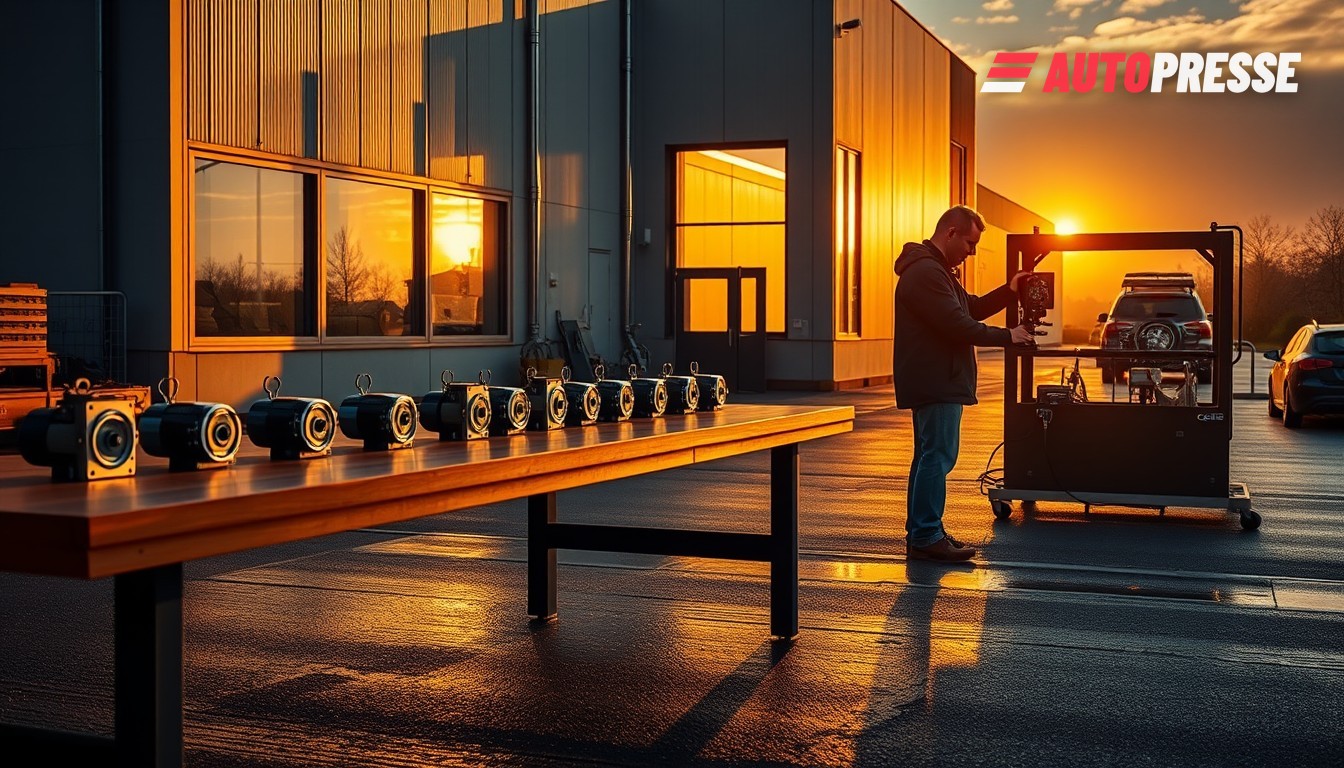
For German and Austrian OEMs and suppliers the change is practical: Bosch will increasingly offer foundry and external manufacturing capacity from its existing wafer fabs in Dresden and Reutlingen, sites where the company has “invested approximately 3 billion euros” in recent years, and from its Roseville (California) investments of roughly $2 billion for SiC production. Bosch also holds a 10% stake in the European Semiconductor Manufacturing Company (ESMC) in Dresden — all facts the company cites as reasons why Germany remains central to its chip strategy.