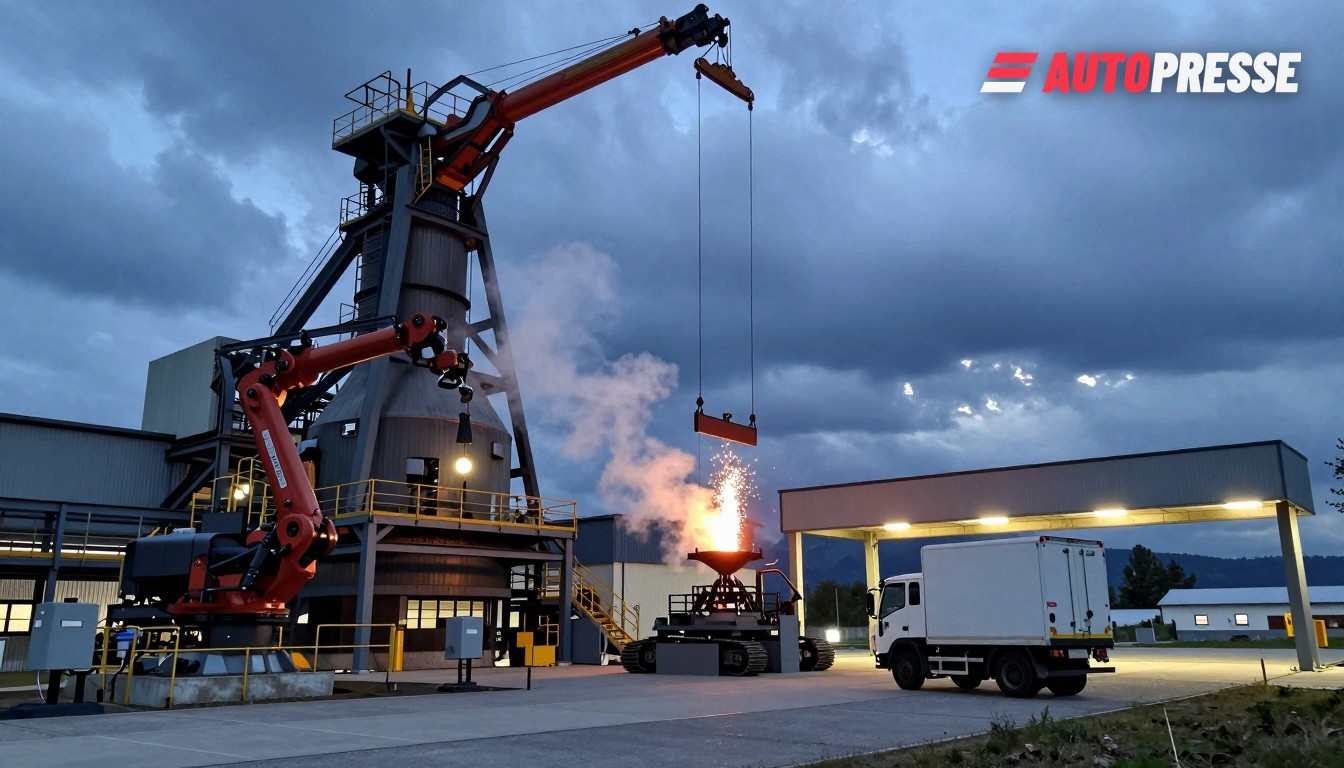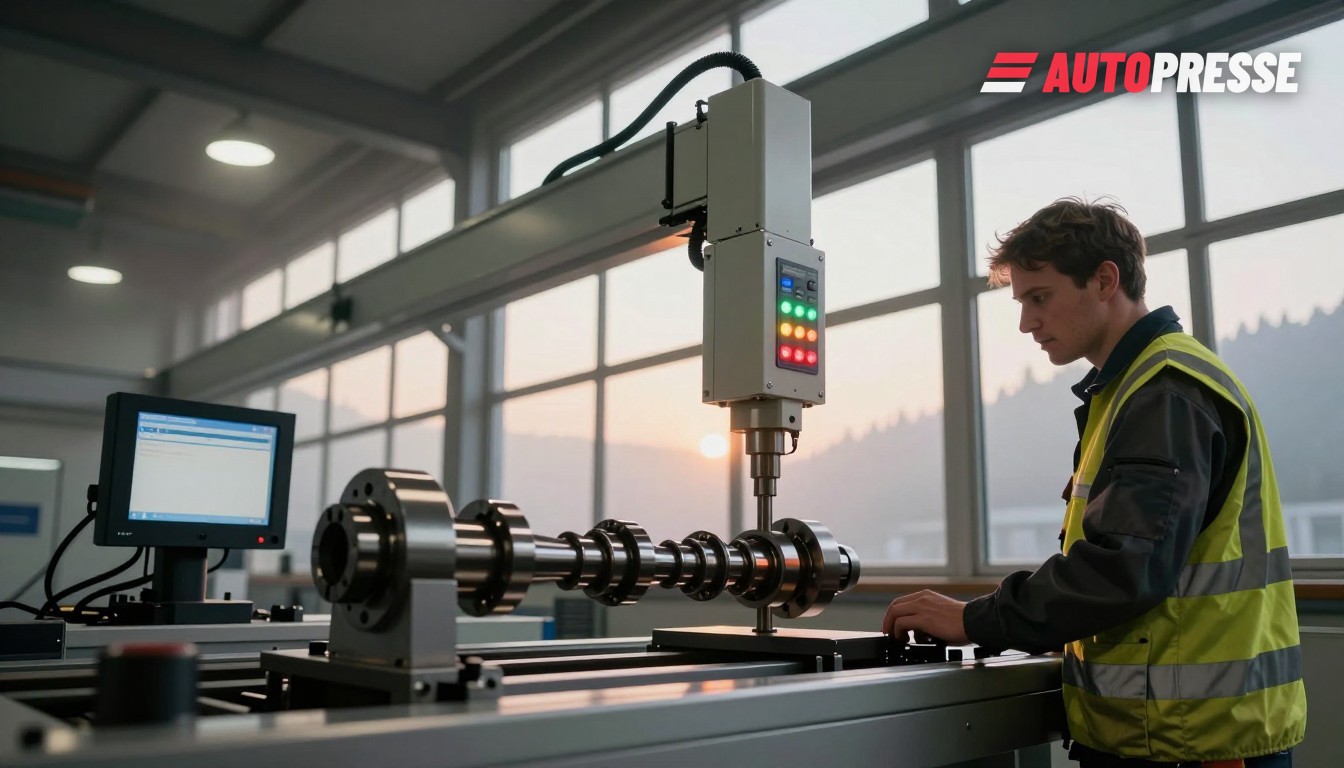
The supply chain that feeds Germany's and Austria's carmakers is in mid‑transition: higher borrowing costs and lingering debt are forcing cuts and consolidation, while new chip platforms and a wave of battery‑recycling projects promise to re‑anchor strategic parts of the value chain in Europe. That double movement — pruning and industrial re‑shoring — will affect factory schedules, supplier margins and jobs across both countries.
Debt, jobs and a tighter purse‑string
A recent study reported by Reuters in August 2026 found German suppliers carrying rising debt burdens and higher interest costs compared with international peers; “many companies in the German supplier industry are managing substantial debt loads,” the study quoted Henning Rennert of Strategy&.
The pressure shows in concrete personnel moves: AVL confirmed a group restructuring that included an earlier wave of roughly 350 job cuts and a further reduction of around 180 positions at its Graz engineering site during 2026. Those steps underline why engineering and test houses in Austria are slimming teams even as demand for EV and software work grows.
Chips and components — a new German edge
At the same time, semiconductor firm Infineon has pushed a major platform move: on 4–10 November 2026 the company introduced AURIX™ RC1, its first RISC‑V based MCU family aimed at software‑defined vehicles and "Physical AI" applications — a product move that aims to give European carmakers more control over critical vehicle compute stacks. The launch matters to German and Austrian suppliers that make power‑electronics, ADAS and zonal‑compute modules because it expands a locally supplied MCU roadmap.
For medium‑sized tiers, that creates both opportunity and cost: adapting in‑house software and test benches to a new MCU architecture requires fresh CAPEX and specialist hiring even as debt service bites.
Battery recycling: the strategic comeback
Europe is also beginning to close the loop on battery materials — and Germany/Austria sit at the centre of that effort. In October 2026 the EU added recycler projects to its Strategic Projects list under the Critical Raw Materials Act; German recycler cylib alone reported recognition on 14 October and has been expanding sites in Bavaria and Dormagen.
Smaller deep‑tech players are also moving from pilot to supply: tozero reported its first delivery of recycled lithium carbonate from its Gendorf demonstration plant on 5 November 2026, while Fortum’s Kirchardt hub secured an expanded permit earlier in 2026 to handle larger volumes. Together with new hydrometallurgical plants announced elsewhere in Europe, these projects give German and Austrian cell and cathode makers a growing local source of recovered raw materials.
What this means for the market
Short term (next 12 months): expect continued margin squeeze for mid‑tier suppliers and further workforce realignment in Austria and southern Germany as companies cut fixed costs and prioritise higher‑value lines (software, power‑electronics, recycling input). Investors and OEM procurement teams will press for consolidation or strategic partnerships to reduce risk.
Medium term (2–5 years): Infineon’s AURIX RC1 launch and the EU’s strategic support for recyclers tilt the industrial map towards Europe for two crucial inputs — compute and recycled battery metals. Suppliers that can absorb the technical transition (new MCU platforms, SiC/SiC test capability and hydrometallurgical supply chains) will win larger contracts; others risk being outcompeted or bought.
For drivers, dealers and fleets the result will be mixed: more secure, Europe‑sourced battery materials and localised chip platforms should improve long‑term resilience and reduce exposure to single‑source disruptions, but the short‑run consequences include constrained supplier capacity and slower ramp‑ups for new model launches.
WorldTrader24 B2B-Fahrzeugmarkt für Händler — Angebote, Flotten und Großkundenlösungen →
Sources: Infineon, AVL, Miba, Reuters, cylib, tozero, Fortum, voestalpine