The supplier tier in Germany and Austria is being pulled between two pressures: a fresh squeeze on electronic components and corporate moves to cut costs and reorganise. That matters to drivers, dealers and plant workers alike — longer lead times delay repairs and production, rising parts prices hit margins, and supplier restructuring threatens jobs at plants across both countries.
Electronics bottlenecks tighten across Europe
Inventory signals have turned sharply negative for the electronics inputs that suppliers need. In a November 13, 2026 ifo business survey, 41.5% of manufacturers of data‑processing and electronic products reported material bottlenecks in October, up from 37.8% in September — and the share of automotive firms reporting material shortages climbed to 24.1% from 8.9% previously.
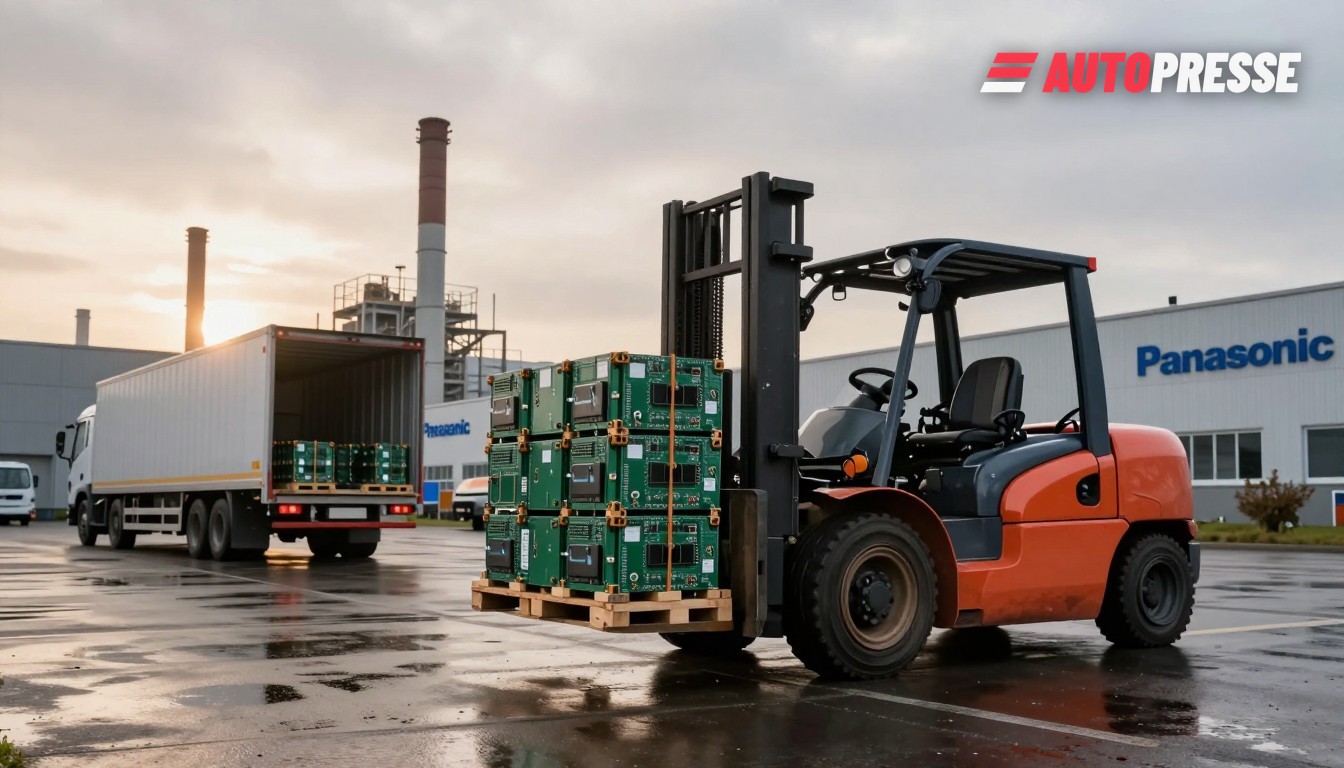
Market trackers and industry briefs show the pressure is concentrated in printed circuit boards, MLCCs and selected analog parts. A Nikkei‑led story, summarised by TechRadar and others, found some PCB orders are quoted as long as 30 months in isolated cases as AI and server demand eats capacity — a sign parts buyers in the auto supply chain may face record delay windows for certain board types.
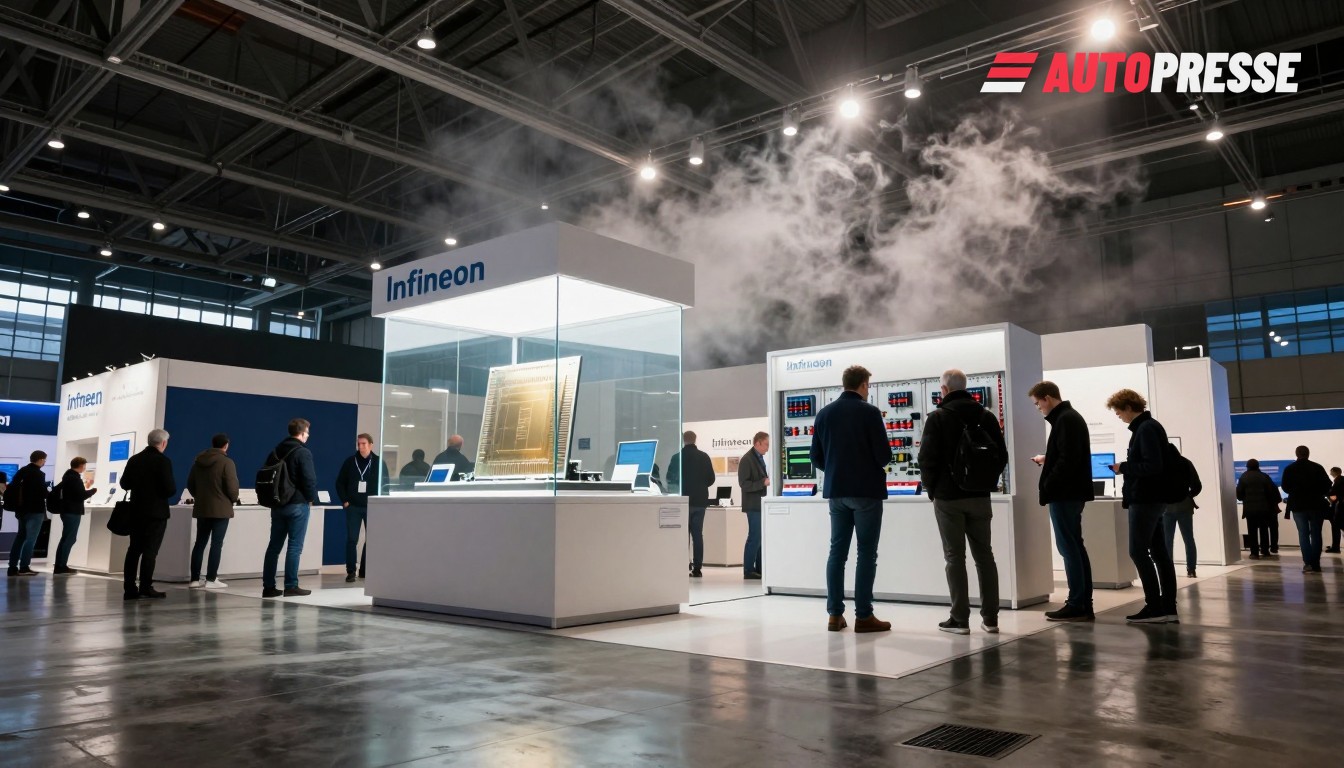
At the distribution level German trade association FBDi reports the components market has grown strongly this year — year‑to‑date 2026 the domestic components market reached €3.1bn (+27% YTD) while order intake rose to about €5.0bn (+109% YTD) — a surge that tightens spot supply and pushes buyers into longer contracts.
Restructuring and R&D run in parallel
Suppliers are responding unevenly. In Austria, lighting specialist ZKW on 16 November 2026 launched a cost‑cutting programme and warned it will reduce its workforce materially while simultaneously showing an R&D push: ZKW is running the FFG‑backed “Roadguard” demonstrator for AI‑based light warnings and is testing systems in Graz. The company’s newsroom item said cost measures will affect personnel and material budgets as the business adapts to weaker revenue forecasts.
At the same time, suppliers are chasing higher‑margin niches and tighter OEM partnerships: contract assembly and design‑for‑sourcing are rising in importance as automotive customers demand guaranteed deliveries and qualification speed. European advisory notes recommend longer contracts, EMS partnerships and design flexibility to shorten effective lead times.
What this means for the market
For OEMs and dealers in Germany and Austria the immediate effect will be more conservative scheduling and higher warranty provisioning. Workshops should expect longer wait times for electronics‑heavy repairs and ought to prepare by increasing spare‑parts safety stocks or working with EMS partners for priority procurement. For suppliers, the combination of stretched lead times and volatile order books increases the premium on liquidity and contractual protection: buyers are likely to demand delivery clauses, while tiers will push for longer‑term volume agreements and price pass‑throughs.
Employees face a mixed picture: R&D projects such as ZKW’s Roadguard indicate continued high‑value engineering work in Austria, but the same company’s announced cuts show that cost programmes will reshape employment at volume lines. Meanwhile, distributors and component brokers are growing — the FBDi data show order intake jumped to €5.0bn YTD 2026 — giving them leverage in allocation and price negotiations.
Industry vehicle listings for dealers on WorldTrader24 →
Sources: ifo Institute, FBDi, ZKW Group, TechRadar (Nikkei summary), LEONI facts